
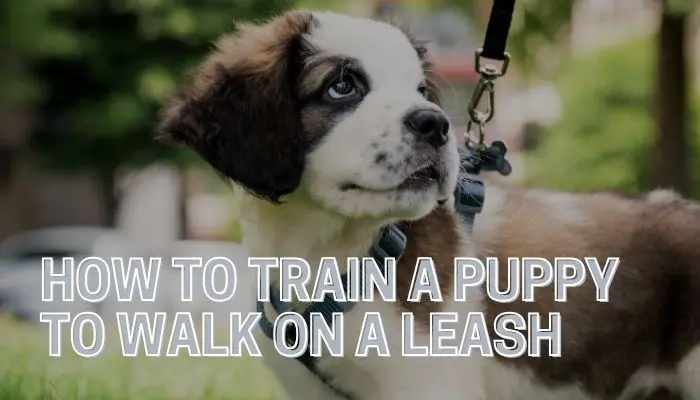
Bringing home a new puppy is exciting — until leash training begins.
Many new puppy owners imagine peaceful walks around the neighborhood, only to end up with a puppy that pulls, bites the leash, sits down refusing to move, or turns every walk into complete chaos.
The truth is, leash training takes patience.
Puppies are not born knowing how to walk calmly beside you. Everything about the outside world is brand new, exciting, and sometimes overwhelming.
The good news is that learning How To Train A Puppy To Walk On A Leash becomes much easier when you break the process into simple steps and stay consistent.
Most frustrated dog owners accidentally move too fast during leash training. They expect long walks immediately instead of teaching puppies how to feel comfortable and confident first.
In this guide, you will learn exactly How To Train A Puppy To Walk On A Leash using calm, realistic training methods that work for everyday puppy owners.
🐶 Why Leash Training Matters Early
Leash training is about much more than walks.
Teaching your puppy how to walk calmly helps build:
- Focus
- Confidence
- Impulse control
- Communication
- Trust
- Better obedience skills
Puppies that never learn proper leash behavior often become adult dogs that pull, lunge, bark, or ignore commands outdoors.
That is why early training matters so much.
The earlier you start teaching calm leash habits, the easier future walks become.
Step 1: Introduce The Collar Or Harness Slowly
Before you begin walking outside, your puppy first needs to feel comfortable wearing a collar or harness indoors.
Many puppies initially dislike the sensation.
They may:
- Scratch at the collar
- Freeze in place
- Roll around
- Try to remove it
- Bite at the harness
This is completely normal.
Start with short indoor sessions.
Put the collar or harness on for a few minutes while distracting your puppy with:
- Treats
- Toys
- Praise
- Playtime
The goal is creating positive associations.
Your puppy should learn:
“Wearing this thing means good things happen.”
Do not rush this step.
Building comfort first makes every later step easier.
Many puppy owners also use positive training systems like Brain Training for Dogs to improve focus and communication during early puppy training.
Mental stimulation exercises can help puppies become calmer and more responsive overall.
Step 2: Let Your Puppy Get Used to Wearing the Leash
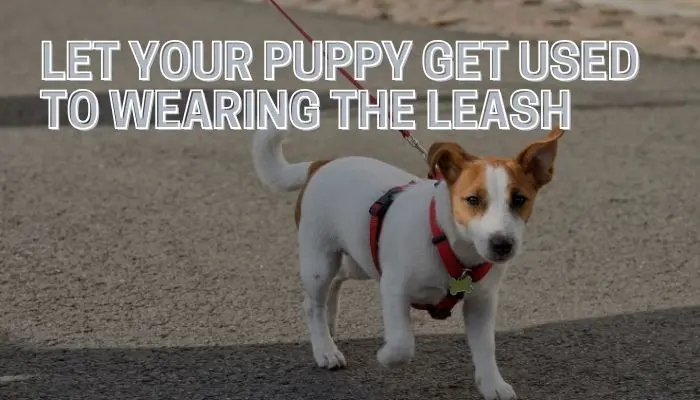
This stage is where many owners become impatient.
Instead of immediately trying to walk properly, let your puppy simply drag the leash indoors under supervision for short periods.
This helps them adjust to:
- The feeling of leash pressure
- Movement around their body
- Walking with equipment attached
At first, your puppy may:
- Bite the leash
- Pull backward
- Spin in circles
- Grab the leash and run
Stay calm.
Avoid turning it into a tug-of-war game. Encourage your puppy forward using treats and praise instead. Keep sessions short and positive. Most puppies adjust quickly when there is no pressure or frustration involved. If your puppy seems nervous, slow down and make training more playful. Confidence matters more than speed.
Step 3: Start Walking Indoors First
One of the biggest mistakes owners make when learning How To Train A Puppy To Walk On A Leash is starting outdoors too early.

 Outside environments are full of distractions:
- Cars
- Sounds
- Smells
- People
- Other dogs
- Birds
- Movement everywhere
For a young puppy, this can feel overwhelming. That is why indoor practice works so well. Start walking around your home using treats to reward your puppy for staying near you.
Focus on:
- Short sessions
- Calm behavior
- Eye contact
- Following you willingly
Take just a few steps at a time initially. Reward heavily for attention and calm walking. Indoor success builds confidence before moving outdoors.
Step 4: Practice Short Outdoor Sessions
Once your puppy walks comfortably indoors, begin short outdoor sessions. Do not expect perfect leash behavior immediately. The outside world is incredibly exciting for puppies. Your goal during early outdoor walks is not distance. Your goal is engagement and confidence.
Keep sessions short:
- 5–10 minutes
- Quiet areas first
- Minimal distractions
- Positive reinforcement
Bring high-value treats and reward your puppy often for checking in with you. If your puppy pulls, avoid yanking the leash.
Instead:
- Stop moving
- Wait calmly
- Reward attention
- Encourage your puppy back toward you
Puppies learn through repetition and consistency.
Short successful sessions work far better than long frustrating walks.
Some owners also use tools like the Halo Collar later during advanced outdoor training to reinforce boundaries and improve off-leash safety as dogs mature.
Step 5: Reward Calm Walking Consistently
Consistency is everything when learning How To Train A Puppy To Walk On A Leash.
Your puppy needs clear feedback about what behavior earns rewards.
Reward:
- Walking beside you
- Loose leash behavior
- Eye contact
- Calmness
- Checking in voluntarily
Avoid rewarding pulling by continuing to walk forward while the leash stays tight. This accidentally teaches puppies that pulling works. Instead, reward the behavior you want repeated. The more your puppy practices calm leash walking, the more natural it becomes over time.
How to Train a Puppy to Walk on a Leash Without Biting It
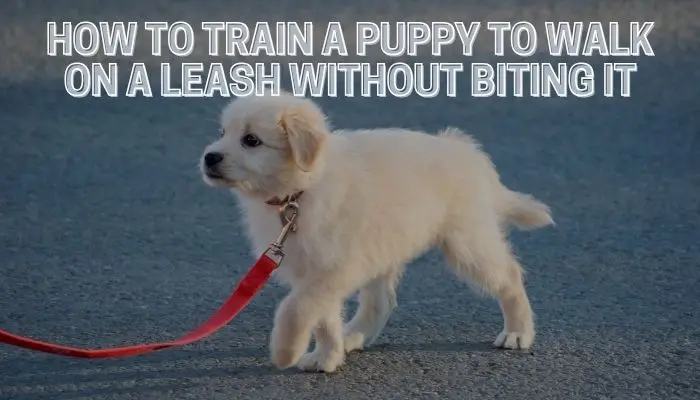
Leash biting is one of the most common puppy training frustrations.
Most puppies bite the leash because:
- They are excited
- They think it is a toy
- They feel frustrated
- They are overstimulated
- They are teething
The key is staying calm and avoiding accidental games.
If your puppy grabs the leash:
- Stop moving
- Stay still
- Redirect with treats
- Ask for a simple command
- Reward calm behavior
Do not yank the leash back aggressively.
This often increases excitement and turns leash biting into a game.
You can also carry a toy during walks for redirection if your puppy becomes overly mouthy.
Many owners notice leash biting improves naturally as puppies mature and gain better impulse control.
What If Your Puppy Refuses To Walk?
Some puppies completely freeze when first introduced to leash walking.
This is extremely common.
Your puppy may feel unsure, confused, or overwhelmed.
Do not drag your puppy forward.
Instead:
- Sit nearby calmly
- Use treats for encouragement
- Speak softly
- Reward tiny movements
- Keep sessions short
Confidence grows through positive experiences.
Many puppies improve dramatically after just a few calm sessions.
Why Mental Stimulation Helps Leash Training
Overexcited puppies often struggle during walks because their brains are overloaded.
Mental enrichment can help puppies become calmer and more focused overall.
Helpful activities include:
- Puzzle toys
- Basic obedience games
- Snuffle mats
- Food puzzles
- Short training sessions
Programs like Brain Training for Dogs combine mental stimulation with structured training exercises that help puppies develop focus and impulse control.
A mentally satisfied puppy is often easier to walk calmly.
Should You Use A Harness Or Collar?
Many puppy owners wonder which option is best.
In most cases, front-clip harnesses work well for beginner leash training because they reduce pressure on the puppy’s neck.
Harnesses can help:
- Reduce pulling force
- Improve comfort
- Prevent neck strain
- Increase control safely
However, proper fit matters.
Poorly fitted harnesses can cause discomfort or rubbing.
Some owners purchase training equipment and puppy supplies through Chewy because it offers beginner-friendly puppy products, harnesses, and training tools in one place.
Common Puppy Leash Training Mistakes
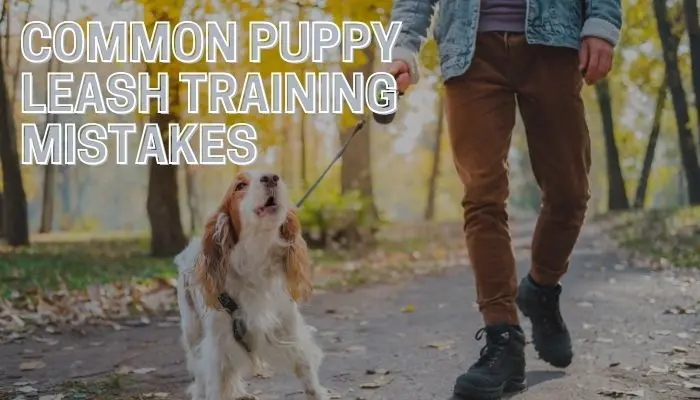
Many frustrated owners accidentally slow progress by making common training mistakes.
Starting With Long Walks
Young puppies do not need long walks. Short positive sessions are far more effective.
Pulling Back On The Leash Constantly
Constant leash tension creates frustration and confusion.
Expecting Too Much Too Soon
Puppies need time to learn. Progress happens gradually.
Training In Busy Areas Too Early
High-distraction environments overwhelm many puppies.
Inconsistent Rules
Everyone in the household should follow the same leash training approach.
Punishing Fearful Behavior
Nervous puppies need confidence-building, not punishment. Understanding these mistakes makes How To Train A Puppy To Walk On A Leash much less stressful.
How Long Does Puppy Leash Training Take?
Every puppy learns at a different pace.
Some puppies adjust within days.
Others need several weeks or months of consistent practice.
Factors that affect progress include:
- Breed
- Age
- Confidence level
- Energy level
- Consistency
- Environment
- Training approach
The key is patience.
Leash training is not about perfection.
It is about building communication and trust over time.
🐾Teething Can Affect Leash Behavior
Young puppies often bite leashes more during teething phases. Providing healthy chewing outlets can help reduce frustration. Some owners use long-lasting chews from Pawstruck to redirect chewing behavior in positive ways. Appropriate chew outlets can help puppies settle more calmly before walks.❤️🐕
Daily Routines Make Training Easier
Puppies thrive on consistency.
Structured routines help puppies feel secure and improve learning.
Try to maintain consistent:
- Walk times
- Feeding schedules
- Potty breaks
- Training sessions
- Rest periods
Many owners stay organized using products from Pet Care Supplies to simplify daily puppy care routines and training schedules.
Small improvements in consistency often create huge behavior improvements.
What If Nothing Seems to Work?
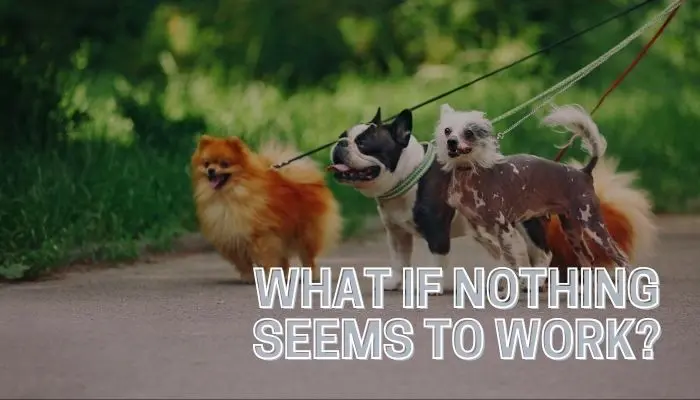
Many frustrated puppy owners feel discouraged during leash training.
That is completely normal.
Some puppies learn quickly while others struggle with confidence, excitement, fear, or overstimulation.
If progress feels slow:
Take a step back
Shorten sessions
Reduce distractions
Increase rewards
Focus on confidence first
Remember, your puppy is learning an entirely new skill.
Leash training is not a race.
The goal is creating positive walking experiences that build trust and communication over time.
If you continue struggling, structured training systems like Brain Training for Dogs can provide additional guidance for improving focus, calmness, and obedience during puppy training.
Consistency and patience matter far more than perfection.
Your Puppy Can Learn to Love Leash Walking
Learning How To Train A Puppy To Walk On A Leash takes time, patience, and realistic expectations.
Most leash problems happen because puppies become overwhelmed, overexcited, or confused — not because they are stubborn.
Focus on:
- Short positive sessions
- Confidence-building
- Calm communication
- Consistency
- Rewarding good behavior
The more positive experiences your puppy has, the faster leash skills improve.
Stay patient and celebrate small wins.
With the right approach, your puppy can grow into a calm, confident dog that genuinely enjoys walking beside you.