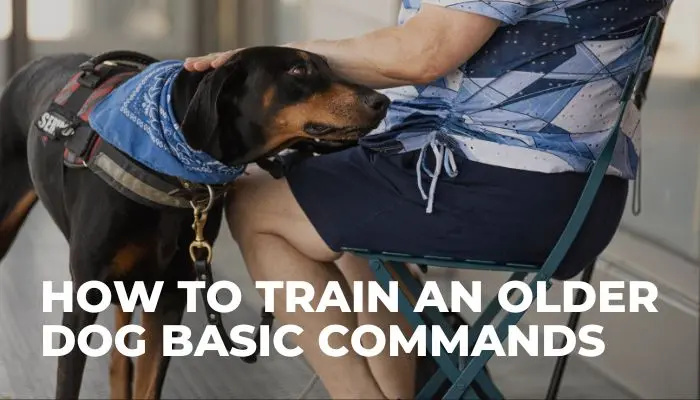
Many people believe older dogs are impossible to train.
You may have even heard the phrase, “You can’t teach an old dog new tricks.”
Thankfully, that simply is not true.
Older dogs are absolutely capable of learning new behaviors, routines, and commands — often faster than people expect.
In fact, many adult and senior dogs focus better than puppies because they are calmer and less distracted.
If you recently adopted an older rescue dog or your adult dog never received proper training, you are not alone.
Many frustrated dog owners search for How To Train An Older Dog Basic Commands because they feel overwhelmed by pulling on walks, ignoring commands, jumping on guests, or poor listening skills.
The good news is that training an older dog is completely possible with patience, consistency, and the right approach.
This guide will show you exactly How To Train An Older Dog Basic Commands using simple, realistic techniques that build trust and create lasting results.
Can Older Dogs Really Learn New Commands?
Absolutely.
Dogs continue learning throughout their entire lives.
Older dogs may actually have several training advantages:
- Longer attention spans
- More emotional maturity
- Lower energy levels
- Better impulse control
- Stronger focus during sessions
The key difference is adjusting your expectations and training style to fit your dog’s age, personality, and physical condition.
When learning How To Train An Older Dog Basic Commands, patience matters far more than speed.
Why Older Dogs Struggle With Training
Many adult dogs were never properly trained in the first place.
Others may have learned bad habits over several years.
Common reasons older dogs struggle include:
- Inconsistent rules
- Lack of early training
- Anxiety or fear
- Rescue backgrounds
- Confusing communication
- Physical discomfort
- Owner frustration
The important thing to remember is this:
Your dog is not trying to be stubborn or difficult.
Most dogs simply need clearer communication and consistent guidance.
Step 1: Start With Trust First
Before teaching commands, focus on building a positive relationship.
Many older rescue dogs especially need time to feel safe and comfortable.
Spend time:
- Playing calmly
- Hand feeding treats
- Going on relaxed walks
- Using gentle praise
- Avoiding punishment
Dogs learn faster when they trust the person training them.
Trust creates confidence, and confident dogs respond better during training.
This is one of the most overlooked parts of How To Train An Older Dog Basic Commands successfully.
Step 2: Use High-Value Rewards
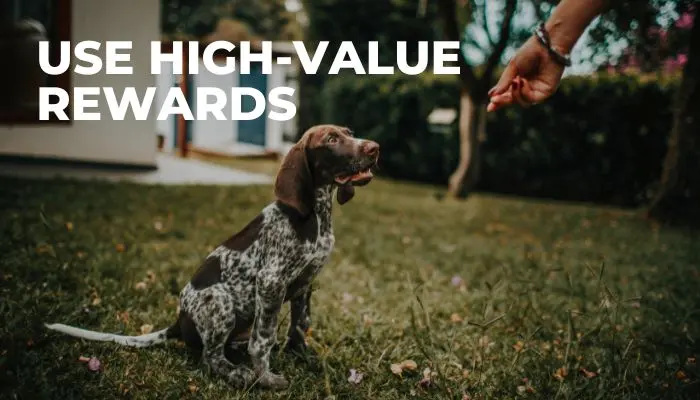
Older dogs need motivation too.
Find rewards your dog truly loves.
Popular training rewards include:
- Small chicken pieces
- Cheese
- Freeze-dried treats
- Soft training treats
- Praise and affection
- Favorite toys
The better the reward, the more focused your dog becomes.
Keep treats small to avoid overfeeding during sessions.
Positive reinforcement works far better than punishment for most adult dogs.
Step 3: Keep Training Sessions Short
One major mistake frustrated owners make is training too long.
Older dogs often learn best through short, focused sessions.
Aim for:
- 5–10 minute sessions
- Multiple sessions daily
- Calm environments
- Minimal distractions
Ending sessions while your dog is still engaged helps maintain enthusiasm for learning.
Consistency beats intensity every time.
Step 4: Teach “Sit” First
When learning How To Train An Older Dog Basic Commands, “sit” is usually the best place to start.
It creates focus and helps build communication.
How To Teach Sit
- Hold a treat near your dog’s nose
- Slowly move the treat upward
- As your dog’s head follows, their bottom naturally lowers
- The moment they sit, say “Sit”
- Reward immediately
Repeat several times daily.
Keep your tone calm and encouraging.
Avoid pushing your dog physically into position.
Step 5: Teach “Stay”
Once your dog understands “sit,” begin teaching “stay.”
Simple Stay Training
- Ask your dog to sit
- Hold your hand up calmly
- Say “Stay”
- Take one small step backward
- Reward if your dog remains still
Gradually increase distance and duration over time.
Do not rush.
Many frustrated owners accidentally move too fast and confuse their dogs.
Step 6: Teach “Come”
Reliable recall is one of the most important commands any dog can learn.
A strong “come” command improves safety and strengthens communication.
How To Teach Recall
- Start indoors first
- Use a cheerful voice
- Say your dog’s name followed by “Come”
- Reward heavily when they arrive
- Never punish after calling them
Your dog should associate coming to you with positive outcomes every time.
Step 7: Teach Loose Leash Walking
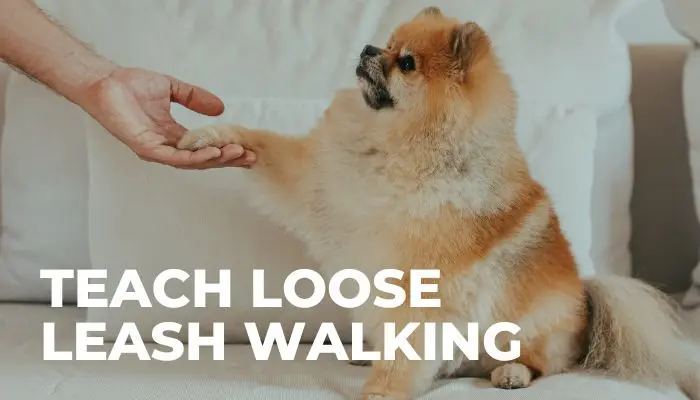
Many owners searching for How To Train An Older Dog Basic Commands struggle most during walks.
Pulling can become frustrating and exhausting.
The solution is consistency.
Basic Loose Leash Tips
- Stop walking when the pulling starts
- Reward calm walking beside you
- Change directions often
- Keep sessions short initially
- Use high-value treats outdoors
Older dogs may take time adjusting to leash expectations, especially if pulling has been practiced for years.
Stay patient.
Step 8: Use Mental Stimulation
Training is not only physical — it is mental exercise too.
Many older dogs become calmer and more responsive when their brains stay engaged.
Helpful enrichment activities include:
- Puzzle toys
- Scent games
- Food puzzles
- Interactive feeders
- Short training games
Mental stimulation reduces boredom and improves focus during training sessions.
Many owners combine daily training with Brain Training for Dogs because the structured exercises help improve listening skills, focus, and confidence in older dogs.
Short brain games can make a huge difference in overall behavior.
🐕 Step 9: Avoid Punishment-Based Training
Older dogs often become anxious or shut down when training feels stressful.
Punishment can damage trust and slow progress dramatically.
Avoid:
- Yelling
- Leash jerks
- Physical corrections
- Alpha dominance
- techniques
- Fear-based methods
Positive reinforcement creates faster and more reliable learning for most dogs.
If you want to truly understand How To Train An Older Dog Basic Commands, focus on communication instead of control.
Step 10: Practice In Different Environments
Dogs do not automatically generalize commands.
A dog that listens perfectly inside may completely ignore commands outdoors.
Practice gradually in:
- Different rooms
- Backyards
- Quiet parks
- Sidewalks
- Around mild distractions
Start easy before increasing difficulty.
This helps your dog understand commands apply everywhere — not just inside the house.
Common Mistakes Owners Make
Many frustrated owners unknowingly slow down training progress.
Avoid these common mistakes:
Expecting Instant Results
Older dogs may need time to break old habits.
Training Too Long
Long sessions create frustration and fatigue.
Inconsistent Rules
Everyone in the household should use the same commands and expectations.
Repeating Commands Constantly
Saying “sit, sit, sit” teaches dogs they can ignore you initially.
Punishing Mistakes
Training should feel safe and encouraging.
Understanding these mistakes is essential when learning How To Train An Older Dog Basic Commands effectively.
Can Senior Dogs Still Learn?
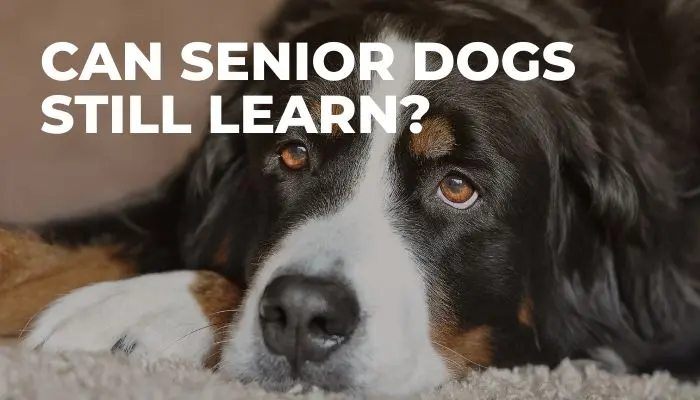
Yes — absolutely.
Senior dogs can continue learning throughout their lives.
However, older dogs may require some adjustments based on:
- Joint pain
- Hearing loss
- Vision changes
- Lower stamina
- Cognitive decline
Keep training gentle and positive.
Avoid physically demanding exercises if your dog has mobility issues.
Mental stimulation remains incredibly valuable for senior dogs.
🐾 How Long Does It Take To Train An Older Dog?
Every dog learns differently.
Some dogs improve within days, while others need several weeks or months of consistent practice.
Factors that affect progress include:
- Past experiences
- Breed tendencies
- Anxiety levels
- Consistency
- Training frequency
- Health conditions
The most important thing is consistency.
Even small improvements matter.
Building Confidence In Rescue Dogs
Many older rescue dogs struggle with fear or uncertainty.
Confidence-building exercises can dramatically improve training success.
Helpful activities include:
- Rewarding calm behavior
- Teaching easy commands first
- Encouraging exploration
- Using positive reinforcement
- Avoiding overwhelming situations
Confidence often improves obedience naturally.
Anxious dogs learn faster when they feel emotionally safe.
Helpful Training Products For Older Dogs
Having the right tools can make training much easier.
Many dog owners use Chewy to find:
- Training treats
- Puzzle toys
- Senior dog supplies
- Harnesses
- Interactive feeders
- Enrichment toys
Comfort and motivation play huge roles in successful training.
For healthy long-lasting chews that provide mental stimulation and stress relief, many owners also like Pawstruck products.
Appropriate chewing outlets help many dogs stay calmer overall.
Why Routine Matters So Much
Older dogs thrive on predictability.
Consistent routines reduce anxiety and improve responsiveness.
Try maintaining regular:
- Feeding schedules
- Walk times
- Potty breaks
- Training sessions
- Rest periods
Dogs feel more secure when they understand daily expectations.
Many owners use supplies from Pet Care Supplies to help maintain organized routines that support training consistency.
Small routine improvements often create major behavioral changes.
Outdoor Training And Boundary Work
Some older dogs struggle with distractions outdoors.
Consistency during walks is extremely important.
Tools like the Halo Collar can help owners reinforce outdoor boundaries and improve communication during training sessions.
Clear structure often improves confidence and listening skills.
Signs Your Older Dog Is Learning Successfully
Progress may happen gradually.
Positive signs include:
- Faster command responses
- Increased focus
- Better eye contact
- Reduced frustration
- Calmer behavior
- Improved leash manners
- More confidence
Celebrate small wins consistently.
Training success builds momentum over time.
Why Mental Enrichment Matters For Older Dogs
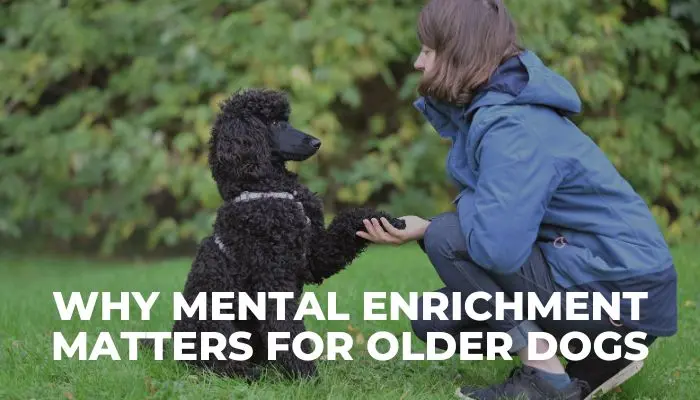
Many behavior problems come from boredom and under-stimulation.
Mental enrichment keeps older dogs engaged and emotionally balanced.
Helpful activities include:
- Scent games
- Food puzzles
- Trick training
- Interactive toys
- Obedience practice
Mentally stimulated dogs are often calmer, happier, and easier to manage.
This is why many trainers recommend combining enrichment with obedience work when teaching How To Train An Older Dog Basic Commands.
Older Dogs Absolutely Can Learn
Training an older dog may feel intimidating at first, especially if bad habits have existed for years.
But older dogs are incredibly capable of learning when training feels consistent, rewarding, and supportive.
Learning How To Train An Older Dog Basic Commands is not about perfection.
It is about improving communication, building trust, and helping your dog feel confident and successful.
Start slowly.
Keep sessions short.
Reward generously.
Stay patient during setbacks.
Many frustrated owners are surprised by how quickly older dogs improve once training becomes clear and positive.
If you want additional step-by-step mental stimulation exercises and structured obedience guidance, many dog owners use Brain Training for Dogs alongside daily practice to improve focus, listening skills, and behavior naturally.
With consistency and encouragement, older dogs can absolutely become calmer, more responsive companions.