If your dog won’t stop barking, chewing everything, or completely ignores your commands—you’re not alone.
These are some of the most common dog behavior problems that frustrate owners every single day.
And here’s the reality:
Most behavior problems aren’t because your dog is “bad”—they’re because your dog is confused, bored, or untrained.
The good news? Almost all of these issues can be fixed with the right approach.
In this guide, we’ll break down the most common dog behavior problems and show you exactly how to solve them step-by-step.
Why Dog Behavior Problems Happen
Before fixing behavior, you need to understand why it’s happening.
Most common dog behavior problems come from:
- Lack of training
- Inconsistent routines
- Boredom or excess energy
- Anxiety or fear
- Poor communication between dog and owner
This is why structured systems like Brain Training for Dogs work so well—they focus on how dogs actually learn, not just quick fixes
1. Excessive Barking
Barking is one of the most common dog behavior problems—and one of the most annoying.
Dogs bark for many reasons:
- Attention-seeking
- Boredom
- Fear or anxiety
- Alerting you to something
How to Fix It
- Identify the trigger first
- Avoid rewarding barking with attention
- Redirect with commands or activities
Dogs that are mentally stimulated bark less.
That’s why enrichment tools from BarkBox can help reduce boredom-driven barking.
2. Destructive Chewing
If your dog is destroying furniture, shoes, or anything they can find—you’re dealing with another of the most common dog behavior problems.
This usually happens because:
- Your dog is bored
- Your dog is teething (puppies)
- Your dog has excess energy
How to Fix It
- Provide appropriate chew toys
- Increase daily exercise
- Supervise and redirect behavior
Consistent routines supported by platforms like Chewy make it easier to keep your dog engaged and properly equipped.
3. Jumping on People
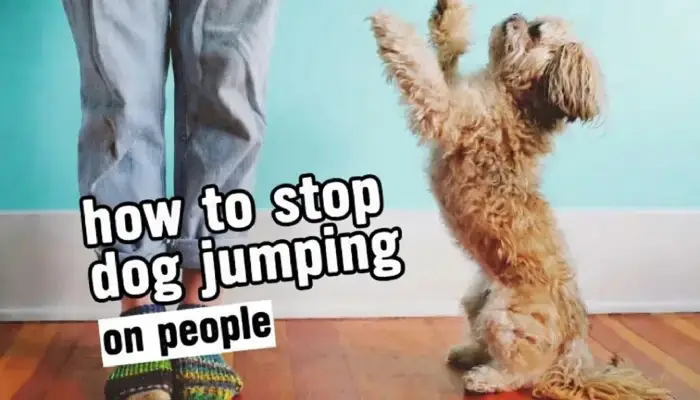
This might seem harmless—but it quickly becomes a serious issue.
Jumping is one of the most common dog behavior problems caused by excitement.
How to Fix It
- Ignore jumping completely
- Reward calm greetings
- Ask for a “sit” before interaction
Consistency is key—everyone in your household must follow the same rules.
4. Pulling on the Leash
Walks should be enjoyable—not a struggle.
Leash pulling is one of the most frustrating and common dog behavior problems.
How to Fix It
- Stop walking when your dog pulls
- Reward loose leash walking
- Practice in low-distraction areas first
Using tools like the Halo Collar can help reinforce boundaries and improve control during walks.
5. Not Listening to Commands
If your dog ignores you, it’s not stubbornness—it’s lack of clarity or consistency.
This is one of the most misunderstood dog behavior problems.
How to Fix It
- Use clear, consistent commands
- Reward immediately after compliance
- Train in distraction-free environments first
High-value rewards like treats from Pawstruck can significantly improve responsiveness.
6. Separation Anxiety
Does your dog panic when you leave?
This is one of the most emotional and common dog behavior problems.
Signs include:
- Whining or barking when alone
- Destructive behavior
- Pacing or restlessness
How to Fix It
- Practice short departures
- Build independence gradually
- Avoid dramatic exits and arrivals
Calming routines and structured mental exercises make a huge difference here.
7. Aggression Toward Dogs or People
This is one of the most serious dog behavior problems—and should never be ignored.
Aggression often comes from:
- Fear
- Lack of socialization
- Past negative experiences
How to Fix It
- Avoid triggering situations initially
- Use controlled exposure
- Reward calm behavior
Structured programs like Brain Training for Dogs are especially helpful for rebuilding trust and confidence.
8. Hyperactivity and Lack of Focus
If your dog seems out of control, overly excited, or unable to settle—this is another of the most common dog behavior problems.
It usually comes from excess energy and lack of stimulation.
How to Fix It
- Increase physical exercise
- Add mental stimulation
- Train impulse control
Interactive activities and enrichment routines are essential for long-term improvement.
What Most Dog Owners Get Wrong
Many frustrated owners unknowingly make these mistakes:
- Inconsistency in training
- Using punishment instead of guidance
- Expecting instant results
- Not addressing the root cause
Fixing the most common dog behavior problems requires patience, structure, and consistency—not shortcuts.
How to Fix the Most Common Dog Behavior Problems (Even If Nothing Has Worked Before)
If you’ve tried multiple methods and nothing seems to work, don’t worry—this is extremely common.
The truth is, most common dog behavior problems don’t improve because the root cause isn’t being addressed.
Once you fix the foundation, everything becomes easier.
Step-by-Step Strategy to Solve Dog Behavior Issues
1. Identify the Root Cause First
Every behavior has a reason.
Before trying to fix anything, ask yourself:
- Is my dog bored?
- Is my dog anxious?
- Is my dog confused about expectations?
Understanding this is the first step to solving the most common dog behavior problems effectively.
2. Build a Clear Daily Routine
Dogs thrive on structure.
Without it, behavior becomes unpredictable.
Your dog’s daily routine should include:
- Regular feeding times
- Exercise sessions
- Training time
- Rest periods
Using platforms like Chewy helps keep your dog’s essentials consistent, which directly improves behavior.
3. Focus on Mental Stimulation
Many of the most common dog behavior problems come from boredom—not disobedience.
Dogs need to think, not just move.
Adding enrichment activities from BarkBox can help:
- Reduce destructive behavior
- Improve focus
- Lower anxiety levels
A mentally satisfied dog is much easier to train.
4. Use Reward-Based Training
Positive reinforcement is the fastest and most effective way to change behavior.
Reward what you want to see more of.
High-quality treats from Pawstruck can significantly improve your dog’s motivation to listen.
This is especially useful when working through the most common dog behavior problems like barking, ignoring commands, or leash pulling.
5. Be Consistent (This Is Where Most Owners Fail)
Inconsistency is the biggest reason behavior problems continue.
If one day you allow something and the next day you don’t, your dog gets confused.
Consistency builds clarity—and clarity builds good behavior.
Fixing Behavior Problems in Real-Life Situations
When Guests Come Over
Excitement, jumping, and barking are common.
To fix this:
- Ask your dog to sit before greeting
- Reward calm behavior
- Ignore overexcitement
This is one of the easiest ways to reduce the most common dog behavior problems at home.
During Walks
Pulling, barking, and reacting to other dogs are frequent issues.
To improve behavior:
- Walk in low-distraction areas first
- Reward calm walking
- Stop when your dog pulls
Tools like the Halo Collar can help reinforce boundaries and improve control outdoors.
When Left Alone
Separation anxiety leads to destruction and stress.
To fix it:
- Practice short absences
- Increase independence gradually
- Avoid emotional departures
Consistency is key when dealing with the most common dog behavior problems related to anxiety.
The Hidden Factor: Nutrition and Behavior
Most people overlook this—but it matters more than you think.
Your dog’s behavior is directly influenced by what they eat.
Poor nutrition can lead to:
- Low energy
- Poor focus
- Increased anxiety
Balanced nutrition from Just Food For Dogs helps improve:
- Energy levels
- Focus during training
- Overall mood
When your dog feels better physically, it becomes much easier to fix the most common dog behavior problems.
When You Should Consider Professional Help
Some behavior problems require extra support.
You should consider professional training if:
- Aggression is involved
- Behavior is getting worse
- You feel overwhelmed or stuck
This is where structured programs like Brain Training for Dogs can give you a clear, step-by-step system to follow.
Instead of guessing, you’ll know exactly what to do next.
You Can Fix These Problems
By now, you’ve seen that the most common dog behavior problems are not random—they’re predictable and fixable.
Let’s recap:
- Identify the root cause
- Build a consistent routine
- Use positive reinforcement
- Provide mental stimulation
- Stay patient and consistent
Most importantly, don’t expect overnight results.
Real change takes time—but it absolutely happens.
Your dog isn’t trying to frustrate you—they’re trying to learn.
Guide them the right way, and everything starts to improve.
If you want a proven, structured approach to solving the most common dog behavior problems, check out Brain Training for Dogs and start building better behavior step by step.