

If your dog ignores commands, pulls you down the street during walks, barks at everything that moves, chews furniture, or seems impossible to control, you’re not alone.
Millions of dog owners struggle with these same problems every day.
And here’s the truth most trainers won’t tell you…
Your dog probably isn’t being stubborn.
They’re simply responding exactly as they’ve been taught.
The problem is that most owners try to train their dogs without the proper dog training supplies, without a clear system, and without understanding how dogs actually learn.
Imagine trying to build a house without a hammer. Or trying to drive across the country without a map.
That’s exactly what many dog owners are doing.
The good news?
You don’t need to be a professional trainer. You don’t need years of experience. And you certainly don’t need to spend thousands of dollars.
What you need are the right dog training supplies and a proven training strategy.
In this guide, you’ll discover exactly what supplies matter most, how to use them effectively, and the training resources that can help transform your dog’s behavior.
Why Dog Training Supplies Matter
Every successful dog training program relies on communication.
Your dog needs to understand:
- What behavior you want
- When they’ve done something correctly
- How they earn rewards
- What boundaries exist
The right training supplies make that communication easier and more consistent.
And consistency is where real results happen.
Step 1: Use High-Value Training Treats
Let’s start with one of the most powerful training tools ever created.
Rewards.
Dogs naturally repeat behaviors that produce positive outcomes.
When your dog sits and immediately receives a reward, they begin connecting that behavior with something valuable.
That’s why professional trainers almost always keep treats nearby.
For training purposes, treats should be:
- Small and easy to eat
- Highly motivating
- Easy to carry
- Used consistently
A great option is using training rewards from Pawstruck, which are specifically designed to reinforce positive behavior and make reward-based training easier.
The better the reward, the more attention you’ll get from your dog.
Step 2: Build Better Habits Through Consistent Daily Routines
One of the biggest reasons dogs develop unwanted behaviors is inconsistency.
Today they are allowed on the couch.
Tomorrow they’re not.
One family member allows jumping.
Another punishes it.
The dog becomes confused.
Successful training starts with predictable routines.
That includes:
- Regular feeding schedules
- Consistent potty breaks
- Daily exercise
- Structured training sessions
- Clear household rules
Many owners use products from Pet Care Supplies to simplify these daily routines and create consistency that supports training success.
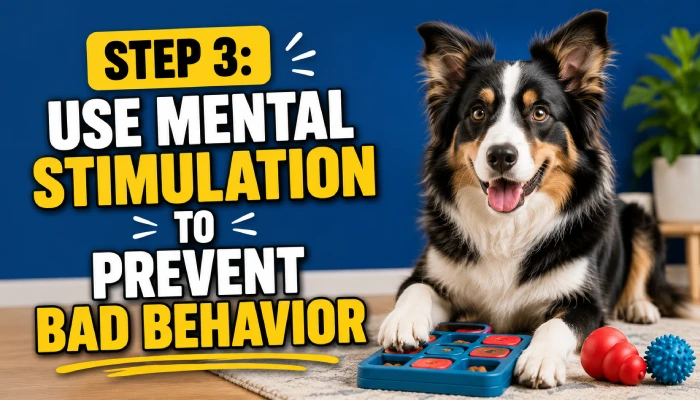
Step 3: Use Mental Stimulation to Prevent Bad Behavior
Here’s something many dog owners never realize.
A tired dog isn’t always a trained dog.
Physical exercise is important.
But mental exercise is often even more powerful.
Dogs were bred to solve problems, perform tasks, and engage with their environment.
When they don’t get enough mental stimulation, they often create their own entertainment.
Unfortunately, that entertainment may include:
- Chewing furniture
- Digging holes
- Excessive barking
- Destroying household items
- Attention-seeking behaviors
One simple solution is introducing enrichment activities and interactive toys.
A monthly subscription like BarkBox provides toys and activities specifically designed to reduce boredom and keep dogs mentally engaged.
When a dog’s brain is occupied productively, many behavior problems begin disappearing naturally.
Step 4: Improve Nutrition for Better Training Results
Most people separate nutrition from training.
That’s a mistake.
The reality is that energy levels, focus, digestion, and overall health can significantly affect behavior.
A dog that feels sluggish, uncomfortable, or poorly nourished may struggle to focus during training sessions.
Quality nutrition helps support:
- Better concentration
- Stable energy levels
- Improved mood
- Healthier digestion
- Greater responsiveness
Many dog owners have seen positive improvements after upgrading to fresh meal options like Just Food For Dogs or nutrition-focused alternatives like Wild Earth.
Training becomes much easier when your dog feels their best.
Step 5: Create a Distraction-Free Learning Environment
One of the fastest ways to frustrate yourself is attempting advanced training in a highly distracting environment.
Imagine trying to learn a new language in the middle of a rock concert.
That’s often how training feels for your dog.
Start simple.
Choose a quiet room.
Keep sessions short.
Reward success immediately.
Once your dog masters a behavior, gradually introduce more distractions.
This process helps create reliable obedience in real-world situations.
Step 6: Use Smart Boundary Training Tools
Outdoor distractions create some of the biggest challenges for dog owners.
Squirrels.
Other dogs.
Visitors.
Moving vehicles.
Exciting smells.
Teaching boundaries can be difficult without proper guidance tools.
This is where smart technology can be helpful.
The Halo Collar is designed to help owners establish outdoor boundaries and improve behavior consistency during walks, playtime, and outdoor activities.
When dogs clearly understand their limits, they gain confidence and owners gain peace of mind.
Step 7: Follow a Proven Training System

This is where most dog owners get stuck.
They buy treats.
They buy toys.
They buy leashes.
But they never develop a complete training plan.
As a result, they spend months jumping from one method to another.
The solution is following a structured system that teaches you exactly what to do and when to do it.
One of the most comprehensive options available is Brain Training for Dogs.
This program focuses on how dogs naturally learn rather than relying on punishment or shortcuts.
It provides step-by-step exercises that help address common behavior issues including:
- Barking
- Chewing
- Biting
- Jumping
- Poor recall
- Ignoring commands
- Lack of focus
The result is a dog that learns better habits while strengthening their relationship with you.
Common Mistakes Dog Owners Make
Mistake #1: Buying Tools Instead of Learning Skills
Many owners believe the next gadget will magically solve their dog’s problems.
But tools only work when paired with proper training.
Knowledge always beats equipment.
Mistake #2: Expecting Immediate Results
Dogs learn through repetition and consistency.
Even the best training supplies require time and patience.
Focus on steady progress rather than overnight transformation.
Mistake #3: Ignoring Mental Exercise
Physical activity alone is not enough.
Dogs need opportunities to think, solve problems, and engage mentally.
Many behavior issues improve dramatically when mental stimulation becomes part of the daily routine.
Recommended Product: Brain Training for Dogs
If you’re looking for one solution that ties everything together, Brain Training for Dogs is worth considering.
This structured training program teaches dog owners how dogs actually learn.
Rather than focusing on temporary fixes, it builds lasting habits that improve obedience and behavior over time.
The program was developed by experienced dog training professionals who understand the importance of communication, consistency, and mental engagement.
Whether you’re raising a puppy or trying to correct long-standing behavior problems, the system provides a clear roadmap to follow.
Main Benefits of Brain Training for Dogs
- Easy-to-follow step-by-step lessons
- Suitable for puppies and adult dogs
- Addresses common behavior problems
- Builds long-term habits
- Improves communication between dog and owner
- Uses positive training methods
- Can be completed at home
- Supports mental stimulation and focus
Additional Resources That Support Training Success

Successful dog ownership goes beyond training sessions.
Daily care, nutrition, enrichment, and consistency all work together.
Many owners find it helpful to keep supplies organized through platforms like Chewy, which provides access to a wide range of products that support training and daily care.
Nutrition can also play a major role in behavior and focus. Balanced meal services such as The Pets Table and wellness-focused options like Health Extension help support overall wellbeing, making training easier and more effective.
Ready to Take Your Dog's Training to the Next Level?
The difference between struggling with your dog and enjoying a well-behaved companion often comes down to having the right tools and the right system.
Start with quality rewards, create consistent routines, provide mental stimulation, and establish clear boundaries.
Then accelerate your results with a proven program like Brain Training for Dogs.
Your dog already has the ability to learn.
The right training approach simply helps unlock that potential.
Frequently Asked Questions
What are the most important dog training supplies?
The essentials include treats, training rewards, leashes, enrichment toys, daily care supplies, and a structured training program.
Do dog training supplies work without training?
No. Supplies support the process, but consistent training and communication are what create lasting behavioral change.
How long does it take to train a dog?
It depends on the dog’s age, temperament, and consistency of training. Many owners notice improvements within a few weeks when following a structured program.
Is Brain Training for Dogs suitable for beginners?
Yes. The program was designed for everyday dog owners and provides clear, step-by-step instructions that are easy to follow.
Conclusion
Training success isn’t about buying every gadget on the market.
It’s about combining the right dog training supplies with proven training methods and consistent daily habits.
Use high-value rewards, provide mental stimulation, create routines, establish boundaries, and feed quality nutrition.
Most importantly, follow a structured system like Brain Training for Dogs to eliminate guesswork and build lasting results.
When you invest in your dog’s training today, you’re creating a happier, calmer, and more enjoyable companion for years to come.