If your dog won’t listen, barks constantly, chews everything, or ignores commands—you’re not alone.
Most dog owners reach a point where frustration takes over.
You’ve tried YouTube videos. Random tips. Maybe even advice from friends.
But nothing seems to stick.
That’s exactly why more owners are turning to the best dog training courses instead of guessing what to do next.
A structured course doesn’t just teach your dog—it teaches you how to train properly.
In this guide, you’ll discover how to choose the right course, what actually works, and how to finally fix bad behavior without stress.
Why Most Dog Owners Struggle With Training
Here’s the truth: It’s not your fault. Most dog owners fail because they don’t have a system. Instead, they rely on:
- Inconsistent methods
- Conflicting advice
- Short-term fixes
Dogs need structure.
Without it, they get confused—and confused dogs don’t listen.
This is where the best dog training courses make a huge difference.
What Makes the Best Dog Training Courses Actually Work?
Not all training programs are equal.
The best dog training courses share a few key traits:
1. Step-by-Step Structure
No guessing. No confusion. Just a clear path from beginner to advanced.
2. Focus on How Dogs Learn
Good courses use psychology—not force or repetition alone.
3. Real Behavior Fixes
They don’t just teach tricks—they solve problems like barking, chewing, and ignoring commands.
4. Easy-to-Follow Lessons
You don’t need to be an expert to get results.
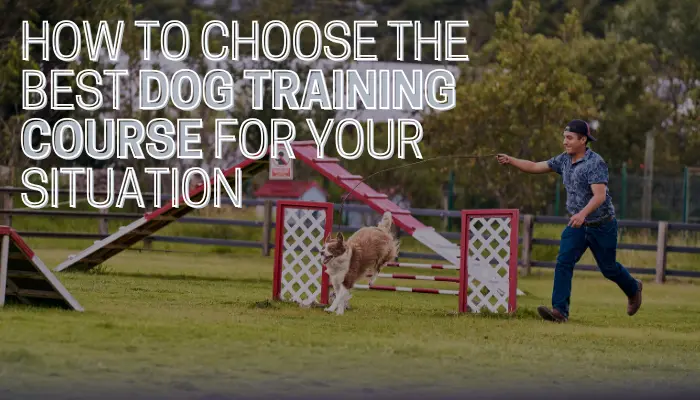
How to Choose the Best Dog Training Course for Your Situation
Before picking a course, ask yourself:
- Is my dog stubborn or easily distracted?
- Do I need help with specific behaviors?
- Do I want a full system or quick tips?
Your answers will guide your decision.
If Your Dog Has Behavior Issues
You need a structured system—not random advice.
 Check out the Brain Training for Dogs program
This is one of the best dog training courses for fixing real behavior problems because it focuses on how dogs think and learn.
It’s especially useful if your dog:
- Doesn’t listen
- Barks excessively
- Chews or destroys things
- Gets distracted easily
Why Brain-Based Training Courses Work Better
Many traditional methods rely on repetition.
But repetition alone leads to boredom.
That’s why modern best dog training courses focus on mental stimulation.
When your dog is mentally engaged, they:
- Learn faster
- Stay focused longer
- Respond more consistently
This is the difference between temporary results and long-term behavior change.
Step-by-Step: How to Get Results From a Dog Training Course
Step 1: Follow the System (Don’t Skip Ahead)
One of the biggest mistakes dog owners make is jumping around.
Stick to the structure of your course.
The best dog training courses are designed in a specific order for a reason.
Step 2: Keep Sessions Short
Dogs learn best in short bursts.
- 5–10 minutes per session
- 2–3 sessions daily
This keeps your dog engaged instead of overwhelmed.
Step 3: Stay Consistent
Consistency matters more than intensity.
Even 10 minutes a day is enough—if you do it regularly.
Step 4: Use the Right Rewards
Training works best when behavior is reinforced properly.
Use Pawstruck training treats for better results
They help reinforce learning without overfeeding or distraction.
Common Mistakes When Using Dog Training Courses
Even the best dog training courses won’t work if you make these mistakes:
1. Expecting Instant Results
Training takes consistency—not perfection.
2. Being Inconsistent
Skipping days slows progress significantly.
3. Mixing Too Many Methods
Stick to one system to avoid confusing your dog.
4. Training Too Long
Short, focused sessions are far more effective.
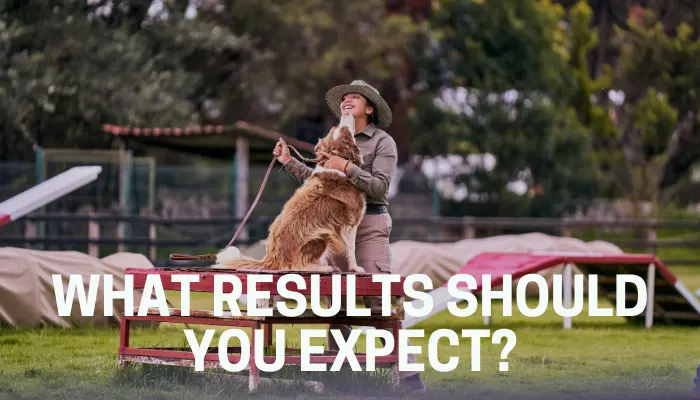
What Results Should You Expect?
With the best dog training courses, most owners notice improvements within 1–2 weeks.
You may see:
- Better focus
- Reduced barking
- Improved listening
- Less destructive behavior
The key is consistency.
Training isn’t about perfection—it’s about progress.
Why Some Dog Training Courses Fail (And How to Avoid Them)
Not all training programs deliver results.
In fact, many dog owners try multiple courses before finding one that actually works.
So what separates effective programs from the rest?
The best dog training courses focus on long-term behavior change—not quick fixes.
Here’s what to avoid:
1. Courses That Only Teach Tricks
Teaching “sit” and “shake” is easy.
But that doesn’t solve real problems like barking or ignoring commands.
The best dog training courses focus on behavior first.
2. One-Size-Fits-All Methods
Every dog is different.
Courses that don’t adapt to your dog’s personality often fail.
3. Lack of Structure
If a course feels random, your results will be too.
Structure is what creates progress.
What to Look for in the Best Dog Training Courses
Before committing to any program, make sure it includes:
- Clear step-by-step progression
- Behavior-focused training
- Short, practical lessons
- Real-world application
One program that checks all these boxes is:
Brain Training for Dogs program
It stands out among the best dog training courses because it focuses on how dogs think—not just what they do.
How to Get Faster Results From the Best Dog Training Courses
Even with the best dog training courses, results depend on how you apply them.
Here’s how to speed things up:
Stay Consistent Every Day
Short daily sessions beat long, inconsistent ones.
Train in Different Environments
Dogs need to learn in real-world conditions—not just at home.
Focus on Engagement, Not Perfection
Progress matters more than getting everything right immediately.
Reinforce Good Behavior Immediately
Timing is everything in training.
Supporting Your Training With the Right Tools
Training becomes easier when you combine structure with the right tools.
For example, outdoor behavior is often where dogs struggle most.
Use the Halo Collar for better outdoor training control
This helps reinforce boundaries and consistency outside your home—something many dog owners struggle with.
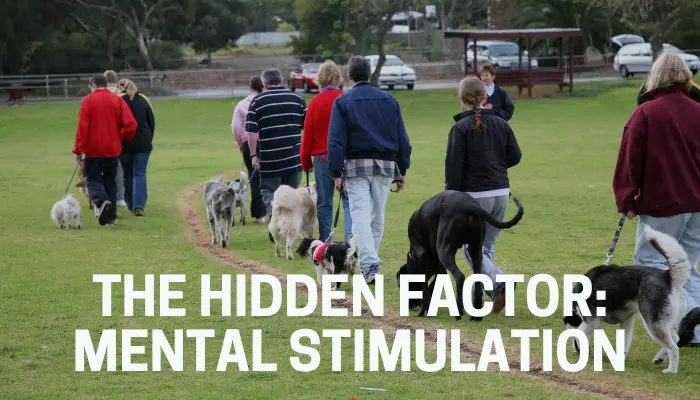
The Hidden Factor: Mental Stimulation
One thing the best dog training courses emphasize is mental engagement.
Without it, dogs get bored—and bored dogs misbehave.
That’s why combining training with stimulation is so powerful.
Simple ways to do this:
- Rotate toys regularly
- Add problem-solving games
- Introduce new challenges weekly
Even small changes can dramatically improve results.
How to Know If a Training Course Is Working
You don’t need to guess.
When you’re using one of the best dog training courses, you’ll notice clear signs:
- Your dog pays more attention
- Commands are followed faster
- Bad habits start fading
- Your dog looks to you for guidance
This is when training starts to feel natural instead of frustrating.
Common Doubts About Dog Training Courses
“What if my dog is too old?”
Dogs of any age can learn with the right approach.
“What if I’ve already tried other courses?”
Most failed attempts come from lack of structure—not your effort.
“Do I need expensive equipment?”
No. The best dog training courses focus on technique, not tools.
The Turning Point Most Owners Experience
At some point, everything clicks.
Your dog starts:
- Listening without repeated commands
- Staying calm in situations that used to trigger them
- Responding faster and more consistently
This is when you realize the power of the best dog training courses.
It’s not just training—it’s understanding your dog.
Choosing the Right Path for Your Dog
You don’t need to feel stuck anymore.
With the right approach, any dog can improve.
The difference comes down to structure, consistency, and using one of the best dog training courses available.
If you want a proven system that focuses on real behavior change, start here:
Access the Brain Training for Dogs program
Follow it step-by-step, stay consistent, and you’ll see results.
A well-behaved, focused dog isn’t luck—it’s the result of the right training system.