If your dog ignores you, barks non-stop, chews everything, or just refuses to listen—it’s exhausting.
You’ve probably tried the usual advice:
- Repeat commands
- Use more treats
- Be stricter
And yet… nothing really sticks.
Here’s the truth most frustrated dog owners don’t hear:
Your dog doesn’t need more discipline—they need better mental stimulation.
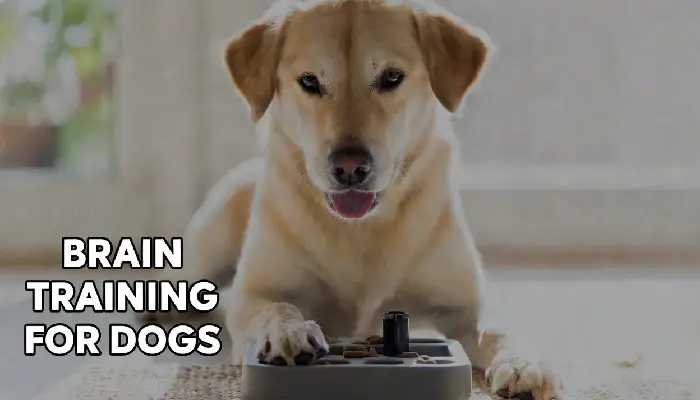
This is exactly why brain training for dogs is becoming one of the most effective ways to fix behavior problems fast.
Instead of forcing obedience, it taps into how dogs naturally think, learn, and respond.
In this guide, you’ll learn how to use brain training step-by-step to turn your dog into a calmer, more focused, and obedient companion.
What Is Brain Training for Dogs?
Brain training for dogs focuses on mental exercise instead of repetition.
Rather than telling your dog what to do over and over again, you teach them how to think, solve, and engage.
This approach works because dogs are naturally intelligent problem-solvers.
When their brain is engaged, behavior improves automatically.
Key Benefits of Brain Training
- Reduces destructive behavior (chewing, digging)
- Improves focus and listening
- Burns mental energy (which calms dogs down)
- Strengthens your bond
- Works for stubborn or high-energy dogs
This is especially powerful if you feel like your dog “just won’t listen.
Why Traditional Training Fails Most Dog Owners
If you’re frustrated, it’s not because you’re doing everything wrong.
It’s because most training advice is incomplete.
Traditional training relies heavily on repetition:
Sit. Sit. Sit. SIT.
Eventually, your dog either:
- Gets bored
- Gets distracted
- Or learns to ignore you
That’s where the disconnect happens.
Dogs don’t learn best through repetition—they learn through engagement.
Brain training fixes this by making your dog an active participant instead of a passive follower.
The Real Cause of Bad Behavior (Most People Miss This)
Before fixing behavior, you need to understand it.
Most common problems come from one root issue:
Mental under-stimulation.
This leads to:
- Excess barking
- Chewing furniture
- Hyperactivity
- Ignoring commands
You can walk your dog for an hour… and they still act out.
Why?
Because physical exercise alone doesn’t tire the brain.
Brain training does.
Step-by-Step: How to Start Brain Training Your Dog
Step 1: Build Focus First
Focus is the foundation of all training.
If your dog can’t pay attention, nothing else will work.
Try this simple exercise:
- Hold a treat near your eyes
- Say your dog’s name calmly
- Reward eye contact immediately
Do this for 3–5 minutes daily.
This alone can dramatically improve responsiveness.
Step 2: Turn Training Into a Game
Dogs learn faster when they’re engaged.
Instead of drilling commands, use interactive games:
- Hide and seek: Hide treats and let your dog find them
- Find it: Toss a treat and let them search
- Toy search: Teach your dog to locate specific items
These games stimulate your dog’s brain and reduce boredom-driven behavior.
Step 3: Keep Sessions Short and Effective
Long sessions don’t improve results—they hurt them.
Instead:
- Train for 5–10 minutes
- Repeat 2–3 times daily
- End on a positive note
This keeps your dog excited and focused.
Step 4: Reward Smartly
Many dog owners accidentally train their dog to only listen when food is present.
A better approach:
- Reward effort, not perfection
- Gradually reduce treats
- Use praise and excitement
For effective reinforcement, using the right treats matters.  Use Pawstruck training treats for consistent rewards They help reinforce behavior without overfeeding or distraction.
Best System to Follow (If You Want Faster Results)
While you can piece this together yourself, most frustrated dog owners struggle with consistency.
That’s why a structured system can make a huge difference. Start the Brain Training for Dogs program here This program walks you through:
- Step-by-step training progression
- Beginner to advanced brain games
- Behavior correction strategies
- Daily routines that actually work
It’s especially helpful if your dog:
- Doesn’t listen consistently
- Gets distracted easily
- Has ongoing bad habits
5 Brain Games That Instantly Improve Behavior
1. The Shell Game
Hide a treat under one of three cups and shuffle them. Your dog must figure out where it is.
2. Treasure Hunt
Hide treats around your home. Start easy, then increase difficulty.
3. Obstacle Challenge
Create a simple indoor course using furniture and guide your dog through it.
4. Toy Naming
Teach your dog names of toys and ask them to retrieve specific ones.
5. The Wait Game
Ask your dog to wait before eating or moving. This builds impulse control.
Common Mistakes That Slow Down Progress
Even with the right approach, mistakes can hold you back.
Training Too Long
Dogs lose focus quickly. Keep sessions short.
Repeating Commands
This teaches your dog to ignore the first command.
Only Using Physical Exercise
Walks are important—but they don’t replace mental stimulation.
Inconsistency
Daily practice matters more than long sessions once a week.
What Results Can You Expect?
With consistent brain training, most dog owners notice changes within 1–2 weeks.
You’ll start seeing:
- Improved focus
- Less barking
- Reduced destructive behavior
- Better response to commands
And the biggest shift?
Your dog starts listening because they’re engaged—not because they’re forced.
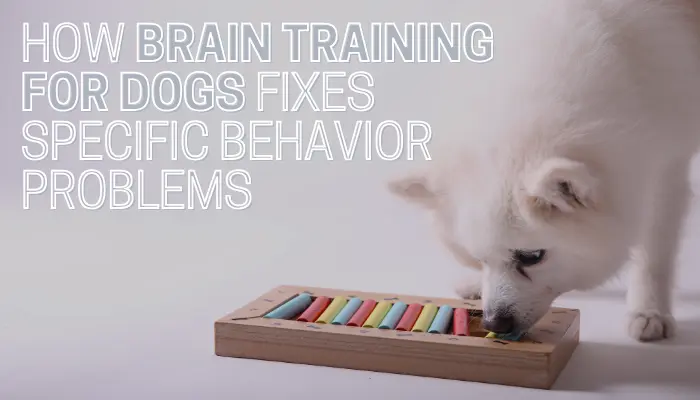
How Brain Training for Dogs Fixes Specific Behavior Problems
By now, you understand that brain training for dogs isn’t just about teaching tricks—it’s about changing how your dog thinks and responds.
Let’s break down how brain training for dogs directly solves the most frustrating behavior issues.
1. Brain Training for Dogs Stops Excessive Barking
Constant barking is one of the biggest complaints dog owners have.
But barking usually isn’t the real problem—it’s a symptom.
Dogs bark when they’re:
- Bored
- Under-stimulated
- Seeking attention
Brain training for dogs replaces that behavior with mental engagement.
Instead of reacting to everything, your dog learns to focus on tasks.
Try this:
- Interrupt barking with a “find it” game
- Redirect energy into problem-solving
- Reward calm behavior immediately
Over time, barking decreases naturally—without force.
2. Brain Training for Dogs Reduces Destructive Chewing
If your dog is chewing furniture, shoes, or anything they can find, it’s not disobedience—it’s boredom.
This is where brain training for dogs becomes powerful.
Instead of trying to stop chewing directly, you remove the cause.
Start by:
- Introducing daily problem-solving games
- Rotating toys to keep them “new”
- Creating structured play sessions
When your dog’s brain is engaged, destructive habits fade quickly.
3. Brain Training for Dogs Improves Listening and Obedience
If your dog ignores commands, repeating yourself won’t fix it.
In fact, it makes things worse.
Brain training for dogs changes the dynamic completely.
Your dog learns to:
- Pay attention before acting
- Think through commands
- Engage with you instead of tuning out
This creates real obedience—not temporary compliance.
4. Brain Training for Dogs Calms Hyperactive Behavior
A hyper dog isn’t always under-exercised—they’re often mentally under-stimulated.
This is why brain training for dogs works so well.
It drains energy in a different way.
Try adding:
- Morning focus training
- Midday brain games
- Evening structured commands
You’ll notice your dog becoming calmer without needing excessive physical exercise.
Advanced Brain Training for Dogs Strategies
Once your dog starts improving, you can take brain training for dogs to the next level.
Chain Commands Together
Instead of single commands, build sequences:
- Sit → Stay → Come
- Find → Bring → Drop
This strengthens memory and focus.
Add Real-World Distractions
Training only works if it applies outside your home.
Gradually introduce:
- Noise
- People
- Outdoor environments
This is where brain training for dogs becomes real-world obedience.
Use Structure, Not Chaos
Dogs thrive on consistency.
A structured system removes guesswork and speeds up results. Follow the Brain Training for Dogs program here This gives you a step-by-step path instead of random training attempts.
Daily Routine for Consistent Results
Consistency is what makes brain training for dogs actually work.
Here’s a simple routine:
Morning (5–10 minutes)
- Focus training
- Basic commands
Afternoon (10 minutes)
- Brain games
- Problem-solving activities
Evening (10–15 minutes)
- Advanced training
- Calm behavior reinforcement
Even short sessions create powerful results when done daily.
Common Doubts About Brain Training for Dogs
“What if my dog is too stubborn?”
Stubborn dogs are often the most intelligent.
Brain training for dogs works especially well for them because it gives them something to engage with.
“What if I don’t have much time?”
You don’t need hours.
Just 10–15 minutes a day can create noticeable changes.
“Is this better than traditional training?”
It’s not about replacing it—it’s about improving it.
Brain training for dogs makes traditional commands actually stick.
The Turning Point Most Dog Owners Experience
There’s a moment when everything changes.
Your dog starts:
- Looking at you for direction
- Responding faster
- Staying calm in situations that used to trigger them
This is when brain training for dogs starts working at a deeper level.
It’s no longer just training—it’s communication.
A Smarter Way to Train Your Dog
You don’t need to feel frustrated anymore.
Your dog isn’t ignoring you on purpose—they just need the right kind of stimulation.
Brain training for dogs gives you that missing piece.
It transforms training from stressful repetition into something natural and effective.
If you want a proven system to follow instead of guessing, start here: Access the Brain Training for Dogs program Stick with it, stay consistent, and you’ll see the difference.
A calmer, smarter, better-behaved dog is closer than you think.