

Have you ever looked over at your dog during a walk only to find them happily chewing on grass?
Your first thought is probably, “Is something wrong with my dog?”
You’re not alone. One of the most common questions veterinarians, trainers, and dog behavior experts hear is, “Why dogs eat grass?”
The good news is that, in most cases, grass eating is completely normal. But there are times when it can signal boredom, nutritional issues, digestive discomfort, or even stress.
The key is knowing when it’s harmless and when it’s your dog’s way of telling you something needs attention.
In this guide, you’ll discover the real reasons dogs eat grass, how to tell whether it’s normal behavior, and practical steps you can take to support your dog’s health and happiness.
Why Dogs Eat Grass?
Contrary to popular belief, dogs don’t usually eat grass because they’re sick.
Research and veterinary experts have found that many healthy dogs eat grass occasionally without ever becoming ill. In fact, it’s considered a normal canine behavior for many dogs.
Here are the most common reasons.
1. They’re Simply Curious
Dogs explore the world with their mouths.
Just like puppies chew shoes, sticks, and toys, many dogs nibble on grass simply because it’s interesting. Different textures, smells, and tastes make grass another thing worth investigating.
If your dog eats a little grass now and then without any other symptoms, curiosity is likely the reason.
2. They’re Bored
A bored dog often creates their own entertainment.
If they don’t receive enough mental stimulation or exercise, grass can become something to chew while outside.
Dogs left alone in the yard for long periods are especially likely to develop this habit.
3. They Enjoy the Taste
Fresh spring grass is tender and sweet compared to older grass.
Some dogs genuinely enjoy eating it, much like people enjoy certain vegetables.
As long as the grass hasn’t been treated with pesticides or chemicals, occasional grazing is generally harmless.
4. They Have Mild Digestive Discomfort
Some dogs eat grass when they have an upset stomach.
While people often assume dogs intentionally eat grass to make themselves vomit, studies suggest that only a small percentage actually vomit afterward.
Instead, grass may simply provide extra fibre or help move food through the digestive system.
5. They Need More Fibre
A diet that’s low in fibre can affect digestion.
Some dogs naturally seek plant material to compensate.
If your dog regularly eats large amounts of grass, it’s worth reviewing their diet with your veterinarian.
6. Stress or Anxiety
Behavioral issues don’t always show up as barking or destructive chewing.
Some anxious dogs develop repetitive habits—including eating grass.
Changes in routine, moving house, new family members, or long periods alone can all contribute.
7. It’s an Instinct
Wild canines consume plant material found in the stomachs of prey animals.
Many experts believe modern dogs have simply retained this ancestral behaviour.
Step-by-Step Guide: What to Do If Your Dog Eats Grass
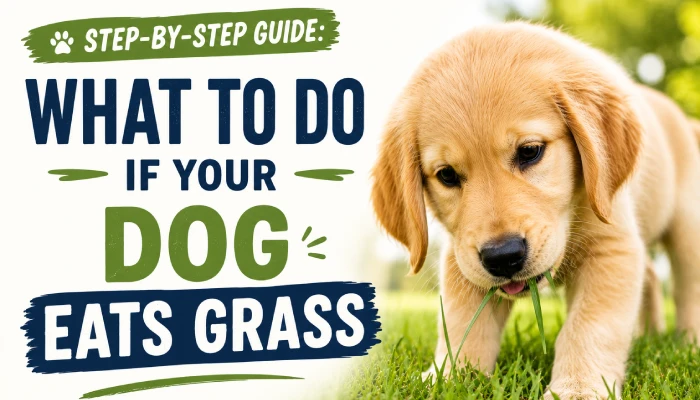
Instead of panicking, work through these practical steps.
Step 1: Watch How Often It Happens
Occasional grass eating is usually normal.
Keep an eye on:
- How often your dog eats grass
- Whether they vomit afterward
- Changes in appetite
- Changes in energy
- Diarrhoea or constipation
Patterns tell you far more than a single incident.
Step 2: Check Their Diet
Nutrition influences nearly every aspect of your dog’s health.
Ask yourself:
- Are they eating high-quality food?
- Are they getting enough fibre?
- Have you recently changed foods?
- Are they maintaining a healthy weight?
Balanced nutrition supports healthy digestion and may reduce excessive grass eating.
If you’re looking for fresh, balanced meals that support digestive health, Just Food For Dogs is worth considering:
https://dogcareandtraining.com/just-food-for-dogs
Another excellent nutrition option is Health Extension, which focuses on digestive support and overall wellness:
Step 3: Increase Mental Stimulation
Many dogs eat grass simply because they’re bored.
Instead of allowing your dog to wander the garden with nothing to do, provide activities like:
- Puzzle toys
- Short training sessions
- Sniff walks
- Food enrichment
- Interactive games
A mentally tired dog is usually a happier dog.
Monthly enrichment through BarkBox can also help keep dogs mentally engaged with new toys and activities:
Step 4: Give Your Dog More Exercise
Exercise helps regulate:
- Stress
- Anxiety
- Digestion
- Energy levels
Even an additional 20–30 minute walk each day can reduce unwanted behaviours.
Step 5: Train Alternative Behaviours
If your dog grabs grass every time you go outside, teach them a better habit.
Reward them for:
- Walking beside you
- Making eye contact
- Responding to “Leave It”
- Choosing toys instead of grass
Positive reinforcement creates long-term behaviour change.
A structured programme like Brain Training for Dogs teaches step-by-step methods for improving focus, impulse control, and everyday behaviour without relying on punishment:
Step 6: Rule Out Medical Problems
Contact your veterinarian if your dog:
- Eats excessive amounts of grass daily
- Vomits repeatedly
- Has blood in vomit or stool
- Stops eating
- Appears lethargic
- Shows signs of pain
Grass eating alone usually isn’t an emergency.
Grass eating combined with illness deserves professional attention.
Common Mistakes Dog Owners Make

Mistake #1: Assuming Every Dog That Eats Grass Is Sick
This is the biggest myth.
Most dogs that eat grass are perfectly healthy.
Don’t panic over occasional grazing.
Instead, watch for additional symptoms.
Mistake #2: Ignoring Chemical Exposure
Grass itself isn’t usually dangerous.
The chemicals sprayed on lawns can be.
Avoid allowing your dog to eat grass treated with:
- Herbicides
- Pesticides
- Weed killers
- Fertilisers
Public parks may also use chemical treatments.
Mistake #3: Focusing Only on the Grass
Grass eating is often the symptom—not the problem.
Ask yourself:
- Is my dog bored?
- Are they getting enough exercise?
- Is their diet balanced?
- Are they anxious?
Solve the underlying issue rather than simply pulling them away from the grass.
Recommended Solution for Healthier Habits 💕
If your dog’s grass eating appears linked to boredom, lack of stimulation, or behavioural habits, improving their daily routine is often far more effective than simply trying to stop the behaviour.
One of the best resources available is Brain Training for Dogs.
Created by certified professional dog trainer Adrienne Farricelli, this comprehensive training programme focuses on teaching owners how dogs naturally learn. Instead of relying on punishment or quick fixes, it uses structured, reward-based exercises to improve focus, self-control, and communication.
You can learn more here:
https://dogcareandtraining.com/brain-training
For dogs whose grass eating may be connected to digestive health or nutrition, pairing training with balanced meals from Just Food For Dogs can also support overall wellbeing:
Benefits of the Recommended Products
Brain Training for Dogs
- Step-by-step training lessons
- Improves focus and impulse control
- Reduces boredom-related behaviours
- Strengthens the relationship between you and your dog
- Uses positive reinforcement methods
- Suitable for puppies and adult dogs
Just Food For Dogs
- Fresh, balanced nutrition
- Supports healthy digestion
- Helps maintain consistent energy
- Promotes overall health
- Made with quality ingredients
BarkBox
- Monthly mental enrichment
- New toys and activities
- Helps reduce boredom
- Encourages healthy play
- Keeps routines engaging
Ready to Help Your Dog Build Better Habits? 💕
Occasional grass eating usually isn’t something to fear.
But if your dog is eating grass because they’re bored, anxious, or lacking stimulation, addressing the root cause can make a noticeable difference.
Explore Brain Training for Dogs to build better behaviour through positive, science-based training: https://dogcareandtraining.com/brain-training
Small improvements in daily routines often lead to happier, healthier dogs.
Frequently Asked Questions
Why dogs eat grass and then throw up?
Some dogs vomit after eating grass, but most do not. Grass may irritate the stomach enough to trigger vomiting in certain dogs, while others simply enjoy eating it without becoming sick.
Is it normal for puppies to eat grass?
Yes. Puppies explore their environment with their mouths, and grass is often part of that exploration. Monitor them to ensure they aren’t swallowing harmful plants or chemicals.
Should I stop my dog from eating grass?
Occasional grass eating is generally harmless. However, discourage the behaviour if the grass has been treated with chemicals or if your dog eats excessive amounts.
When should I see a veterinarian?
Seek veterinary advice if grass eating is accompanied by:
- Frequent vomiting
- Weight loss
- Diarrhoea
- Loss of appetite
- Lethargy
- Signs of pain
- Blood in vomit or stool
Conclusion
So, why dogs eat grass?
For most dogs, it’s simply a normal behaviour driven by curiosity, instinct, taste, or mild digestive needs.
The best approach is to observe your dog, improve their daily routine, provide balanced nutrition, and ensure they’re getting enough physical and mental stimulation.
When boredom or behavioural habits are contributing factors, structured training can make a remarkable difference. Programmes like Brain Training for Dogs help owners develop lasting, positive habits, while nutritious options like Just Food For Dogs support digestive health and overall wellbeing.
With the right combination of training, enrichment, and nutrition, you’ll not only better understand why your dog eats grass—you’ll also help them live a happier, healthier life.