
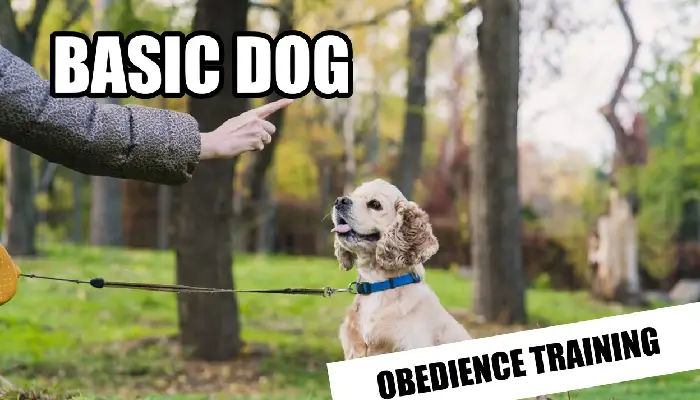
If your dog ignores commands, pulls on the leash, or just won’t listen—you’re not alone.
Many dog owners feel frustrated because no matter how many times they say “sit” or “stay”… nothing changes.
Here’s the truth:
Basic dog obedience training isn’t about control—it’s about communication.
Once your dog understands what you want, everything becomes easier.
This guide will walk you through basic dog obedience training step by step—even if your dog currently ignores you.
What Is Basic Dog Obedience Training?
Basic dog obedience training is the foundation of all good behavior.
It teaches your dog to respond reliably to simple commands like:
- Sit
- Stay
- Come
- Down
- Heel
But more importantly, it teaches your dog to focus on you—even with distractions.
This is where most training fails.
Why Basic Obedience Training Matters
Without proper training, even a friendly dog can become difficult to manage.
Basic dog obedience training helps prevent:
- Jumping on people
- Excessive barking
- Leash pulling
- Ignoring commands
It also builds trust between you and your dog.
If you’re struggling to get consistent results, structured programs like Brain Training for Dogs can help you follow a proven system instead of guessing what works.
Why Most Dog Owners Struggle With Training
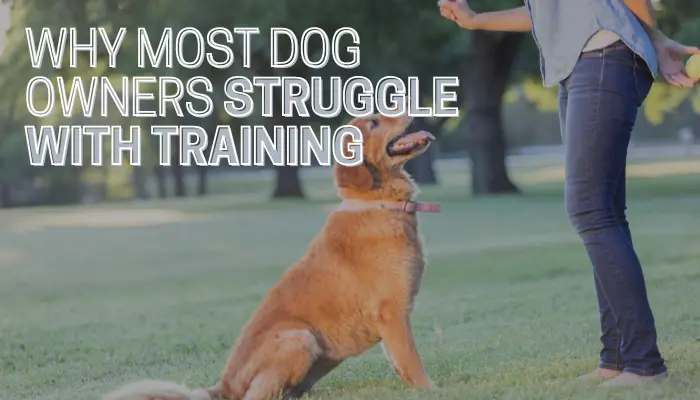
If you feel stuck, it’s usually not your fault.
Most issues come down to:
- Inconsistent training
- Using the wrong rewards
- Training sessions that are too long
- Lack of structure
Fix these, and your results will improve quickly.
Step-by-Step: Basic Dog Obedience Training
1. Start With Focus (This Changes Everything)
Before teaching commands, your dog needs to pay attention to you.
Start simple:
- Say your dog’s name
- Reward eye contact immediately
- Repeat in short sessions
This builds engagement—the foundation of basic dog obedience training.
2. Teach the “Sit” Command
This is usually the easiest place to start.
Steps:
- Hold a treat above your dog’s nose
- Move it slowly back
- As their head goes up, their bottom goes down
- Say “sit” and reward immediately
Using high-quality rewards from Pawstruck can speed up learning because your dog stays motivated.
3. Teach “Stay” for Control
Once your dog can sit, add duration.
Steps:
- Ask your dog to sit
- Hold your hand out and say “stay”
- Take one step back
- Return and reward
Gradually increase distance and time.
This builds patience and impulse control.
4. Teach “Come” (Recall Training)
This command is one of the most important for safety.
Steps:
- Start in a quiet space
- Say your dog’s name + “come”
- Reward immediately when they reach you
Never punish your dog for coming—even if they were slow.
This command must always feel positive.
5. Teach “Down” for Calm Behavior
This helps your dog relax and settle.
Steps:
- Start from a sitting position
- Move a treat toward the ground
- Guide your dog into lying down
- Say “down” and reward
This is especially useful for high-energy dogs.
6. Practice Loose Leash Walking
Leash pulling is one of the biggest frustrations for dog owners.
To fix it:
- Stop walking when your dog pulls
- Reward when the leash is loose
- Change direction often
Consistency is key here.
Tools like the Halo Collar can also help reinforce boundaries during outdoor training.
How Long Should Training Sessions Be?
Short sessions work best.
- 5–10 minutes per session
- 2–3 sessions per day
Dogs learn better in small, consistent bursts.
Long sessions often lead to frustration—for both of you.
The Importance of Consistency
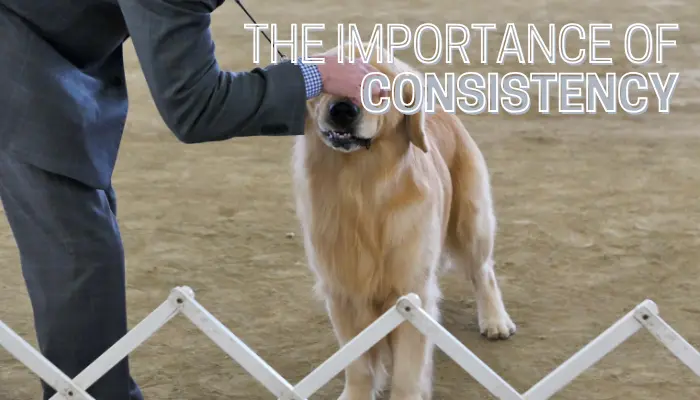
Basic dog obedience training only works if you stay consistent.
That means:
- Using the same commands
- Rewarding good behavior every time
- Practicing daily
Even your dog’s routine matters.
Platforms like Chewy make it easier to maintain consistency with food, treats, and essentials.
Mental Stimulation Speeds Up Training
A bored dog won’t focus.
Mental stimulation plays a huge role in obedience training.
Interactive toys and enrichment from BarkBox help reduce excess energy and improve attention.
This makes your training sessions far more effective.
Common Obedience Training Mistakes
Repeating Commands Too Much
Your dog learns to ignore you.
Training Only When It’s Convenient
Consistency is what builds habits.
Using Low-Value Rewards
If the reward isn’t exciting, your dog won’t care.
Getting Frustrated
Dogs respond better to calm, clear guidance.
How to Handle Stubborn Dogs During Basic Dog Obedience Training
If your dog seems stubborn or ignores commands, you’re not alone.
This is one of the biggest challenges people face when starting basic dog obedience training.
But here’s the truth:
Most “stubborn” dogs are simply confused or unmotivated.
To fix this, focus on three things:
- Clear communication
- Better rewards
- Consistent practice
When you improve these areas, basic dog obedience training becomes much easier.
Structured systems like Brain Training for Dogs can help remove the guesswork and give you a clear path to follow.
Basic Dog Obedience Training in Real-Life Situations
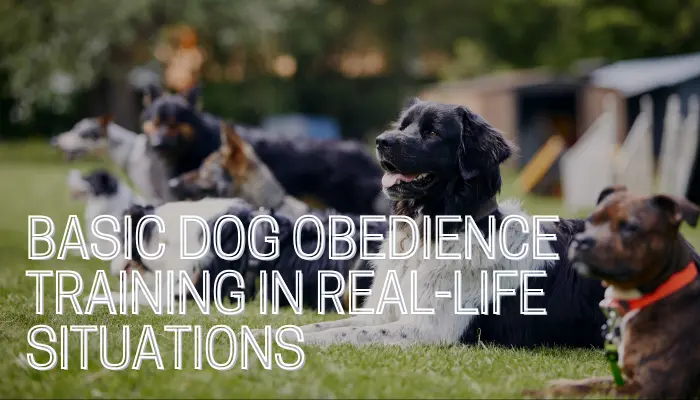
Training at home is one thing—but real success comes when your dog listens outside.
This is where many owners struggle with basic dog obedience training.
Training During Walks
Walks are full of distractions.
Practice commands like “sit” and “come” in low-distraction areas first, then gradually increase difficulty.
Tools like the Halo Collar can help reinforce boundaries and improve control during outdoor training.
Training Around Guests
Dogs often get overly excited when people visit.
Use basic dog obedience training commands like “sit” and “stay” before greeting guests.
Reward calm behavior immediately.
Training in Public Places
Once your dog improves, practice in parks or busy areas.
Keep sessions short and positive.
This helps your dog generalize commands in real-world environments.
Advanced Tips to Improve Basic Dog Obedience Training
1. Train Before Meals
Your dog is more motivated when slightly hungry.
2. Keep Sessions Short and Frequent
Consistency beats long sessions every time.
3. Use Better Rewards
High-quality treats from Pawstruck can dramatically improve focus and response speed.
4. Stay Calm and Patient
Dogs pick up on your energy—frustration slows progress.
Applying these consistently will take your basic dog obedience training to the next level.
The Role of Mental Stimulation in Obedience Training
Your dog’s behavior is directly connected to their nutrition.
Poor diet can lead to:
- Low energy
- Poor concentration
- Unstable behavior
Balanced meals from Just Food For Dogs help support better energy and focus.
This makes it easier for your dog to respond during basic dog obedience training.
Why Diet Affects Training Results
Many owners overlook this, but it’s critical.
A mentally stimulated dog learns faster.
Without enough stimulation, dogs become distracted and less responsive.
Interactive toys and enrichment activities from BarkBox help reduce boredom and improve focus.
This makes every basic dog obedience training session more effective.
How Long Does Basic Dog Obedience Training Take?
Every dog learns at a different pace.
But with consistent effort, most dogs show improvement within:
- 2–4 weeks
Mastery takes longer—but progress happens faster when you stay consistent.
Remember, basic dog obedience training is not a one-time process—it’s ongoing.
Build a Well-Behaved, Confident Dog
By now, you understand that basic dog obedience training isn’t about forcing your dog to listen—it’s about teaching them clearly and consistently.
Let’s quickly recap:
- Start with focus and simple commands
- Use positive reinforcement
- Train in real-life situations
- Stay consistent every day
If you follow these steps, your dog will improve.
And if you want a structured, proven system to speed things up, Brain Training for Dogs can guide you step by step.
Your dog isn’t ignoring you—they just need clearer guidance.
Give them that, and everything changes.