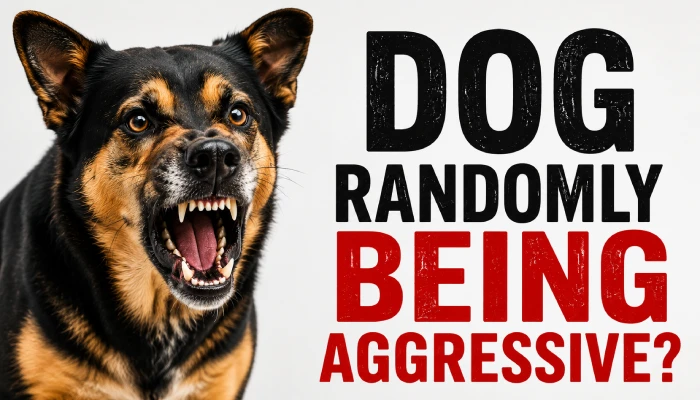
If your dog has suddenly started growling, snapping, lunging, or even biting without warning, you’re probably feeling confused, frustrated, and maybe even a little scared. One day your dog seems perfectly normal, and the next, they’re acting like a completely different animal. If you’ve found yourself searching for “dog randomly being aggressive”, know this: true random aggression is actually quite rare.
Dogs don’t become aggressive without a reason. They may not be able to tell us what’s wrong with words, but they communicate through their behavior. Aggression is often a sign that something is physically, emotionally, or mentally bothering them.
The good news? Most cases of sudden aggression can be improved—and many can be completely resolved—once you identify the underlying cause and respond appropriately. In this guide, you’ll learn why dogs suddenly become aggressive, the warning signs to watch for, and the first steps you should take to protect both your family and your dog.
Is Your Dog Really Being Aggressive?
Before assuming your dog has become aggressive, it’s important to understand the difference between aggression and communication.
Dogs naturally use body language to express discomfort. Growling, barking, showing teeth, stiffening their body, or backing away are often warning signals—not signs of a “bad dog.”
Think of a growl as your dog’s way of saying:
- “I’m uncomfortable.”
- “Please give me space.”
- “Something doesn’t feel right.”
- “I’m scared.”
Punishing these warning signals may stop the growling temporarily, but it doesn’t remove the underlying emotion. Instead, many dogs simply stop warning and move straight to biting.
Your goal shouldn’t be to silence the warning—it should be to understand why your dog is giving it.
What Causes a Dog to Suddenly Become Aggressive?
There is almost always an explanation behind aggressive behavior. Here are the most common reasons.
1. Pain or Illness
A dog that is in pain may become defensive, even around people they love.
Imagine someone touching a broken arm unexpectedly—you’d probably pull away or yell. Dogs react in much the same way.
Common medical causes include:
- Arthritis
- Dental pain
- Ear infections
- Hip dysplasia
- Spinal injuries
- Hormonal disorders
- Neurological conditions
If aggression appears suddenly without any obvious trigger, schedule a veterinary examination before assuming it’s purely a behavioral problem.
2. Fear Aggression
Fear is one of the biggest causes of aggression.
A frightened dog may feel trapped and decide that fighting is safer than running away.
Fear aggression often develops after:
- A traumatic experience
- Harsh punishment
- Poor socialization
- Unexpected loud noises
- Negative encounters with strangers or other dogs
Fearful dogs aren’t trying to dominate anyone—they’re trying to protect themselves.
3. Resource Guarding
Many dogs naturally protect things they consider valuable.
This may include:
- Food bowls
- Treats
- Toys
- Beds
- Favorite people
A dog that growls when someone approaches their food isn’t being stubborn—they’re worried they’ll lose something important.
Early training can greatly reduce resource guarding before it develops into serious aggression.
4. Territorial Behavior
Some dogs believe it’s their responsibility to defend the home.
They may bark aggressively at:
- Visitors
- Delivery drivers
- Neighbors
- People walking past the house
- Other animals entering the yard
Without proper guidance, territorial instincts can become stronger over time.
5. Frustration
Not all aggression comes from anger.
Sometimes dogs become frustrated when they can’t reach something they desperately want.
Examples include:
- Being restrained by a leash
- Seeing another dog across the street
- Wanting to chase wildlife
- Being confined for long periods
This is often called leash frustration or barrier frustration.
6. Lack of Mental Stimulation
A bored dog often creates their own entertainment—and sometimes that entertainment turns into destructive or reactive behavior.
Dogs need regular opportunities to think, solve problems, and work their brains.
Simple activities such as puzzle toys, scent games, obedience exercises, and structured play sessions can dramatically reduce unwanted behaviors.
Monthly enrichment services like BarkBox can help keep your dog mentally engaged with new toys and activities, reducing boredom that often contributes to behavioral problems.
7. Learned Behavior
Dogs repeat behaviors that work.
If growling makes people back away…
If barking makes another dog leave…
If snapping stops someone from touching them…
Your dog learns that aggression successfully solves problems.
The longer this pattern continues, the more deeply it becomes a habit.
Warning Signs Most Owners Miss
Dogs rarely bite “without warning.”
Most owners simply don’t recognize the earlier signals.
Watch for:
- Yawning when not tired
- Licking lips repeatedly
- Turning the head away
- Showing the whites of the eyes
- Tail becoming stiff
- Pinned-back ears
- Body freezing
- Raised hackles
- Slow, intense staring
- Low growling
These subtle cues often appear several seconds—or even minutes—before a bite occurs.
Learning to recognize them gives you the opportunity to safely remove your dog from the situation before emotions escalate.
Step 1: Stay Calm and Avoid Punishment
Your first reaction matters.
Yelling, hitting, or physically correcting an aggressive dog usually increases fear and anxiety, making future aggression more likely.
Instead:
- Speak calmly.
- Create distance.
- Remove the trigger if possible.
- Avoid direct eye contact.
- Give your dog time to decompress.
Think of yourself as a problem solver—not an enforcer.
Step 2: Identify the Trigger
Keep a notebook or use your phone to record every aggressive incident.
Ask yourself:
- Who was nearby?
- What happened immediately before?
- Where did it occur?
- Was food involved?
- Was another dog present?
- Did someone touch your dog?
- Was your dog sleeping?
Patterns often emerge surprisingly quickly.
Once you know the trigger, you can begin changing your dog’s emotional response instead of simply reacting to the behavior.
Step 3: Rule Out Medical Problems
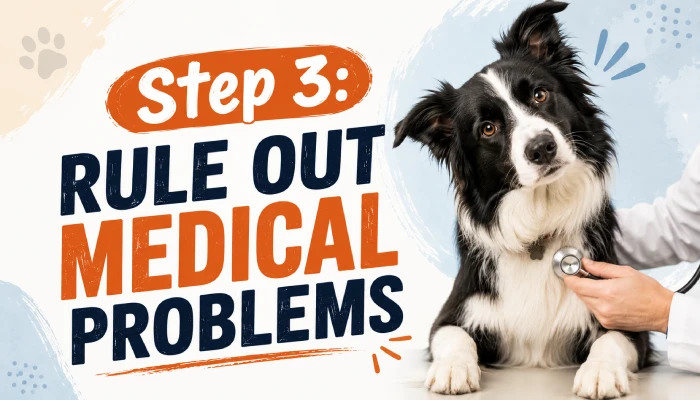
If aggression appears suddenly, schedule a veterinary examination.
Many behavioral issues disappear once pain or illness is treated.
Never assume aggression is purely a training problem until medical causes have been eliminated.
Step 4: Reduce Stress in Your Dog's Daily Routine
Dogs experiencing chronic stress are much more likely to react aggressively.
You can reduce stress by:
- Maintaining a predictable daily schedule.
- Providing regular exercise.
- Ensuring your dog gets enough sleep.
- Avoiding overwhelming environments.
- Using positive reinforcement instead of punishment.
A healthy diet also plays a role in your dog’s mood, focus, and overall wellbeing. Feeding balanced meals from trusted options like Just Food For Dogs can support consistent energy levels and make training sessions more productive.
Step 5: Start Positive Reinforcement Training Immediately
One of the biggest mistakes dog owners make is waiting until aggression becomes a serious problem before starting training. The truth is, every interaction your dog has is teaching them something. If aggressive behavior repeatedly gets the result they want, they’ll continue using it.
The goal isn’t to punish aggression—it’s to teach your dog a better response.
Positive reinforcement training focuses on rewarding calm, confident behaviors rather than reacting to unwanted ones. Instead of teaching your dog what not to do, you teach them exactly what to do instead.
For example, if your dog becomes aggressive when visitors arrive, reward them for remaining calm before they have a chance to react. Over time, they begin associating visitors with positive experiences instead of fear or excitement.
Some useful behaviors to teach include:
- Sit and stay around distractions.
- Looking at you when their name is called.
- Going to a designated bed or mat.
- Walking calmly on a loose leash.
- Relaxing while guests enter the home.
Consistency is far more important than perfection. Even five to ten minutes of structured training each day can produce noticeable improvements over time.
Step 6: Increase Mental and Physical Exercise
A tired dog isn’t just physically tired—they’re mentally satisfied.
Many behavioral problems stem from dogs having far more energy than they know what to do with.
If your dog spends most of the day alone with little stimulation, frustration builds. That frustration often appears as barking, chewing, reactivity, or aggression.
Daily enrichment should include:
- Walks with opportunities to sniff and explore.
- Food puzzles.
- Training sessions.
- Interactive games.
- Scent work.
- Chew toys.
Providing new activities keeps your dog’s brain engaged and reduces boredom.
A monthly subscription like BarkBox introduces new toys, puzzles, and enrichment opportunities that can help prevent boredom-related behavior problems before they begin.
Reward-based treats also play an important role in training. High-value rewards from Pawstruck can help motivate your dog while reinforcing calm, desirable behaviors during training sessions.
Step 7: Know When Professional Help Is Needed
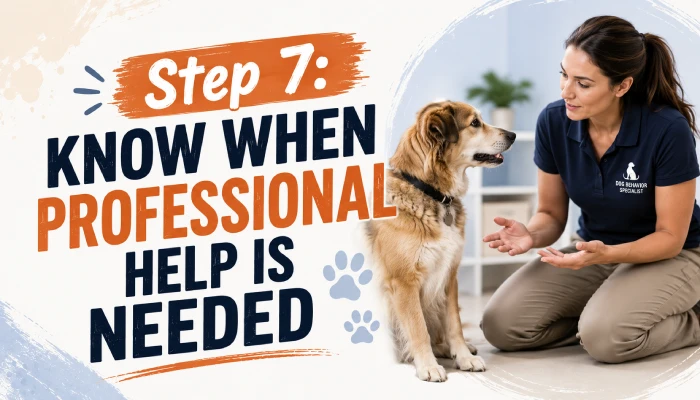
Some aggression cases require professional guidance.
Seek help immediately if your dog:
- Has bitten someone.
- Frequently lunges without warning.
- Guards food aggressively.
- Shows aggression toward children.
- Attacks other household pets.
- Cannot be safely controlled.
The earlier you address aggressive behavior, the easier it usually is to change.
Waiting months—or even years—often allows the behavior to become deeply ingrained.
3 Common Mistakes That Make Dog Aggression Worse
Mistake #1: Punishing Growling
Growling is communication.
If you punish your dog every time they growl, they may stop warning you—but they haven’t stopped feeling afraid or threatened.
The next time, they may skip the growl entirely and bite without warning.
Mistake #2: Expecting Instant Results
Behavior doesn’t change overnight.
Just like people, dogs need repetition before new habits replace old ones.
Celebrate small improvements instead of expecting immediate perfection.
Mistake #3: Ignoring the Root Cause
Many owners focus only on stopping the aggression itself.
However, aggression is usually the symptom—not the problem.
Until you address fear, anxiety, pain, frustration, or lack of training, aggressive behavior is likely to return.
🐕 Recommended Training Program
If you’re serious about stopping aggressive behavior without relying on punishment or outdated dominance methods, one of the best resources available is Brain Training for Dogs.
Created by Adrienne Farricelli, a professional CPDT-KA certified dog trainer with years of experience working with dogs of all breeds and temperaments, this comprehensive training program is built around force-free, science-based methods that improve communication between you and your dog.
Rather than offering quick fixes, the program teaches you how dogs think, learn, and respond to different situations. By strengthening your dog’s focus, confidence, and impulse control, many unwanted behaviors—including aggression, excessive barking, jumping, chewing, and poor listening—can gradually improve.
The lessons are easy to follow, making them suitable for both first-time dog owners and experienced handlers looking for a structured training system.
Why Brain Training for Dogs Can Help
- Uses positive reinforcement instead of punishment.
- Easy-to-follow step-by-step video lessons.
- Builds trust between you and your dog.
- Improves focus and impulse control.
- Addresses the underlying causes of many behavior problems.
- Suitable for puppies, adult dogs, and senior dogs.
- Can be completed at home and at your own pace.
For dogs that spend time outdoors or struggle with boundaries during walks, pairing your training with the Halo Collar can help reinforce safe boundaries and improve consistency during outdoor training sessions.
If you’re looking for quality toys, training tools, grooming supplies, or everyday essentials, you can also browse trusted products through Chewy or explore our recommended Pet Care Supplies to support your dog’s daily routine.
Frequently Asked Questions
Why is my dog randomly being aggressive all of a sudden?
Sudden aggression is usually caused by pain, illness, fear, anxiety, resource guarding, territorial behavior, or stress. A veterinary examination should always be your first step if the behavior appears suddenly.
Can aggression in dogs be cured?
Many dogs improve significantly with proper management, positive reinforcement training, and addressing the underlying cause. Some dogs may always require ongoing management, but their quality of life—and yours—can improve dramatically.
Should I punish my dog for growling?
No. Growling is an important warning signal. Punishing it may increase the risk of a bite because your dog learns not to warn before reacting.
What is the best training method for aggressive dogs?
Modern trainers recommend positive reinforcement combined with careful management, gradual desensitization, and counterconditioning. These techniques help change your dog’s emotional response instead of simply suppressing behavior.
Conclusion
If your dog has started acting aggressively, don’t assume they’re being stubborn, dominant, or trying to challenge you. Aggression is almost always your dog’s way of communicating that something is wrong.
By identifying the trigger, ruling out medical issues, reducing stress, providing mental stimulation, and following a structured training plan, you can help your dog become calmer, more confident, and easier to manage.
Remember, lasting results come from consistency—not punishment.
If you’re ready to take the next step, the Brain Training for Dogs program provides a proven, step-by-step system for building better habits and addressing challenging behaviors in a positive, effective way.
With patience, understanding, and the right guidance, many dogs that once struggled with aggression can learn to feel safer, behave more calmly, and become happier companions.