If your puppy barks at strangers, hides during walks, or goes completely wild around other dogs—you’re not alone.
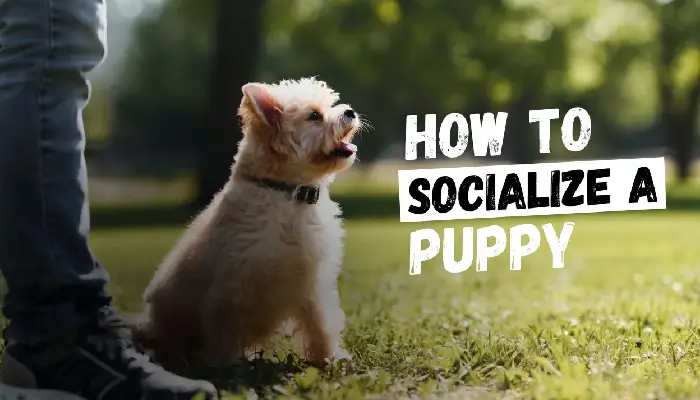
Many dog owners feel frustrated because no one really explains how to socialize a puppy the right way.
And here’s the truth:
Socialization isn’t just exposure—it’s teaching your puppy how to feel safe in the world.
Get it wrong, and you risk raising a fearful or reactive dog.
Get it right, and you’ll have a calm, confident companion for life.
This step-by-step guide will show you exactly how to socialize your puppy—even if you’re already struggling.
What Does It Mean to Socialize a Puppy?
Most people think socialization means letting their puppy play with other dogs.
But that’s only one piece of the puzzle.
True socialization means helping your puppy stay calm and confident around:
- New people
- Different environments
- Loud noises
- Handling and grooming
- Other animals
It’s about building positive experiences, not overwhelming your dog.
Why Socialization Is So Important
Your puppy’s brain develops rapidly between 3 and 16 weeks.
This is when they decide what’s safe and what’s scary.
If they don’t get proper exposure during this stage, it can lead to:
- Fear-based barking
- Leash pulling and reactivity
- Aggression toward dogs or people
- Anxiety in new environments
This is why structured training systems like Brain Training for Dogs can be so effective—they guide your puppy through learning in a calm, step-by-step way instead of overwhelming them.
Signs Your Puppy Isn’t Properly Socialized
If you’re frustrated, watch for these warning signs:
- Barking or growling at strangers
- Hiding behind you
- Overreacting to other dogs
- Fear of new places
- Excessive jumping or excitement
These behaviors don’t mean your puppy is “bad”—they mean your puppy is unsure.
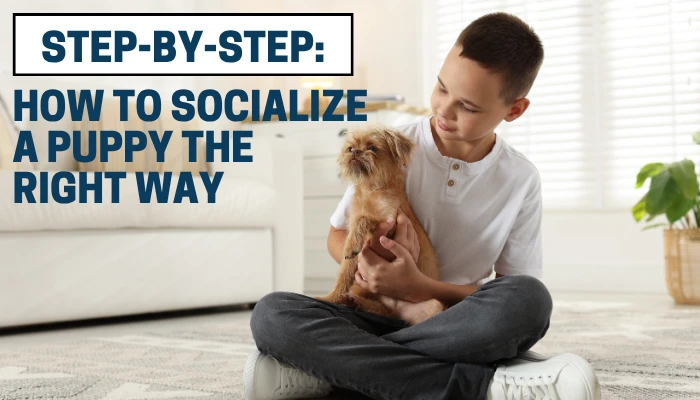
Step-by-Step: How to Socialize a Puppy the Right Way
1. Start Small and Stay Calm
One of the biggest mistakes dog owners make is going too fast.
Taking your puppy straight to a busy park can overwhelm them instantly.
Instead, begin with:
- Quiet streets
- Short walks
- Low-distraction environments
Keep sessions short—around 5 to 10 minutes.
Confidence builds gradually.
2. Use Positive Reinforcement Every Time
Your puppy learns by association.
If new experiences lead to rewards, they become easier and even enjoyable.
Using high-quality treats from Pawstruck can make a noticeable difference in how quickly your puppy adapts.
Reward your puppy when they:
- Stay calm in a new situation
- Approach something unfamiliar
- Respond to your cues
This builds trust and confidence fast.
3. Introduce New People the Right Way
Never force your puppy to interact with someone.
This is one of the fastest ways to create fear.
Instead:
- Let your puppy approach at their own pace
- Keep interactions calm and brief
- Reward relaxed behavior immediately
Positive, low-pressure interactions are what matter most.
4. Control Dog-to-Dog Interactions
Dog parks might seem like a good idea—but they’re often too chaotic for puppies.
Instead, arrange controlled interactions with:
- Calm, friendly dogs
- Dogs with good social skills
- Short, supervised play sessions
For better control during these situations, a smart system like the Halo Collar can help reinforce boundaries and guide behavior safely.
5. Gradually Introduce New Environments
Your puppy needs exposure—but not all at once.
Start simple, then slowly increase difficulty:
- Quiet neighborhoods
- Pet-friendly shops
- Busier public spaces
Always pay attention to your puppy’s body language.
If they seem overwhelmed, take a step back.
6. Desensitize Your Puppy to Everyday Sounds
Noise sensitivity is a common issue that often gets ignored.
Introduce sounds like:
- Vacuum cleaners
- Doorbells
- Traffic
- Thunder recordings
Pair each sound with something positive like treats or play.
This helps your puppy stay calm instead of reacting with fear.
7. Build a Consistent Routine
Dogs thrive on routine.
Unpredictability can increase anxiety and slow down socialization progress.
Using platforms like Chewy makes it easier to stay consistent with food, treats, and daily essentials.
Consistency builds confidence.
8. Keep Your Puppy Mentally Stimulated

Socialization isn’t just physical—it’s mental too.
A bored puppy is more likely to develop unwanted behaviors.
Interactive toys and enrichment activities from BarkBox help reduce boredom and improve focus during training.
This makes your puppy more responsive and easier to guide.
Common Socialization Mistakes to Avoid
Forcing Interactions
This creates fear instead of confidence.
Moving Too Fast
Too much exposure too quickly overwhelms your puppy.
Ignoring Stress Signals
Your puppy communicates discomfort—don’t ignore it.
Inconsistency
Without routine, progress becomes slow and unpredictable.
How Long Does It Take to Socialize a Puppy?
Every puppy is different, but with daily effort, most show improvement within:
Full confidence may take longer—but consistency is what matters most.
You’re not just training behavior—you’re shaping your dog’s personality.
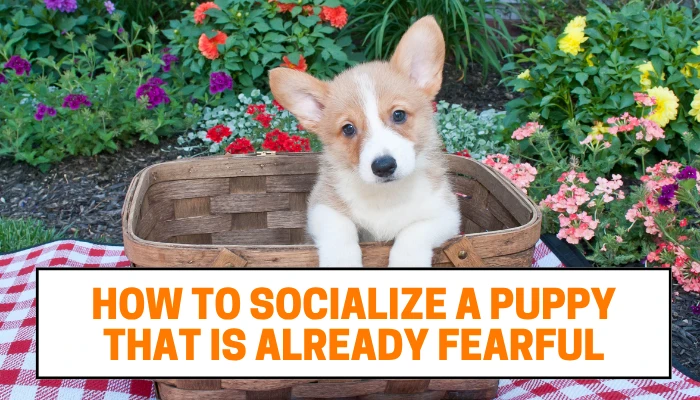
How to Socialize a Puppy That Is Already Fearful
If you’re searching for how to socialize a puppy that’s already scared or reactive, don’t worry—you’re not too late.
This is one of the most common situations frustrated dog owners face.
The key is to slow everything down.
When learning how to socialize a puppy with fear, you need to focus on:
- Distance from triggers
- Short exposure sessions
- High-value rewards
Instead of forcing interaction, let your puppy observe from a safe distance.
Then reward calm behavior consistently.
This is where structured systems like Brain Training for Dogs can be extremely helpful—they guide you through building confidence step by step.
How to Socialize a Puppy During Walks
Walks are one of the best opportunities to practice how to socialize a puppy in real-life situations.
But they can also be overwhelming if done incorrectly.
To make walks effective:
- Start in quiet areas
- Keep distance from distractions
- Reward calm behavior immediately
If your puppy reacts, don’t panic.
Just create space and reset.
Using tools like the Halo Collar can help maintain consistent boundaries outdoors while reinforcing calm behavior.
This makes a huge difference when practicing how to socialize a puppy outside your home.
How to Socialize a Puppy With Guests at Home
Visitors can be exciting—or terrifying—for puppies.
If you’re working on how to socialize a puppy at home, structure is key.
Here’s what to do:
- Ask guests to stay calm
- Avoid direct eye contact at first
- Let your puppy approach on their own
Reward calm behavior immediately.
If your puppy gets overwhelmed, give them space instead of forcing interaction.
Learning how to socialize a puppy at home properly prevents long-term fear of strangers.
How to Socialize a Puppy for Vet Visits and Handling
Many dogs develop anxiety at the vet simply because they weren’t prepared early.
If you want to master how to socialize a puppy completely, handling is essential.
Practice regularly:
- Touch paws gently
- Check ears
- Open the mouth briefly
Reward after each interaction.
This builds trust and reduces stress during real vet visits.
Advanced Tips for Faster Socialization Results
1. Focus on Quality Over Quantity
It’s better to have a few calm experiences than many stressful ones.
2. Watch Body Language Closely
Signs like lip licking, yawning, or backing away indicate stress.
3. End Sessions on a Positive Note
Always finish with something your puppy enjoys.
4. Be Consistent Daily
Short, daily exposure works better than occasional long sessions.
Consistency is what truly defines success when learning how to socialize a puppy.
The Role of Mental Stimulation in Socialization
Here’s something many owners overlook:
A mentally satisfied puppy is easier to socialize.
When your puppy is bored, they’re more reactive and harder to train.
That’s why enrichment tools from BarkBox can help reduce excess energy and improve focus.
This makes every socialization session smoother and more productive.
Why Nutrition Impacts Behavior and Socialization
If your puppy lacks energy or focus, socialization becomes harder.
That’s where nutrition plays a bigger role than most people realize.
Balanced meals from Just Food For Dogs can support:
- Better focus
- Stable energy levels
- Improved learning ability
When your puppy feels better physically, they respond better to training.
This directly improves your success when learning how to socialize a puppy.
How to Socialize a Puppy Successfully
By now, you understand that learning how to socialize a puppy isn’t about rushing—it’s about building confidence step by step.
Let’s recap the essentials:
- Start small and stay consistent
- Use positive reinforcement
- Avoid overwhelming situations
- Focus on calm, controlled exposure
If you stay patient and consistent, your puppy will improve.
And if you want a structured, proven approach, programs like Brain Training for Dogs can help guide you every step of the way.
Your puppy isn’t trying to be difficult—they’re trying to understand the world.
Show them it’s safe, and everything changes.