
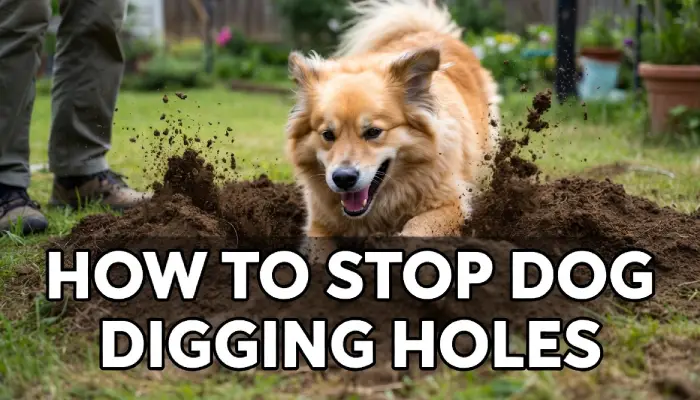
Your dog just dug another hole.
You filled the last one yesterday… and now there are two more.
At this point, it feels like a losing battle.
If you’re frustrated, you’re not alone. One of the most common problems dog owners face is figuring out how to stop dog digging holes without damaging their relationship with their dog.
Here’s the truth most people miss:
Dogs don’t dig to be “bad.” They dig because something is missing.
Until you fix that missing piece, the digging won’t stop.
In this guide, you’ll learn exactly what’s causing the behavior—and how to fix it in a way that actually lasts.
Why Dogs Dig Holes (And Why It Keeps Getting Worse)
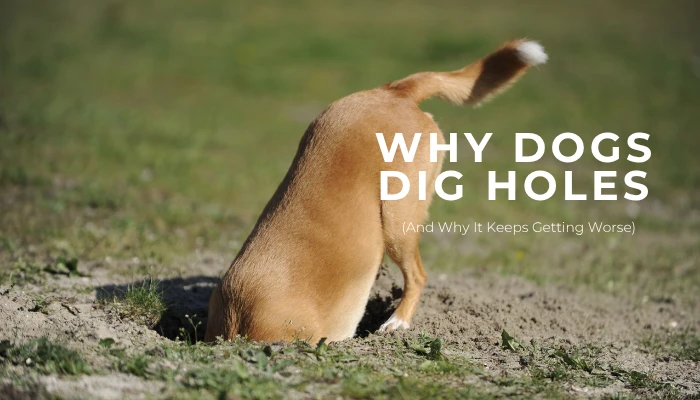
Before you try to stop the behavior, you need to understand it.
Because digging isn’t random—it’s driven by instinct, energy, or emotion.
Boredom: The Silent Trigger
This is the biggest reason most dogs dig.
When your dog has nothing to do, they create their own entertainment. And digging is incredibly rewarding—it engages their senses, their body, and their brain.
Signs your dog is digging out of boredom:
- Multiple holes across the yard
- No specific pattern
- Happens when they’re left alone
This type of digging won’t stop with “no.” It stops when your dog has something better to do.
Excess Energy (Even If You Walk Them Daily)
Many owners think a short walk is enough.
For most dogs, it’s not.
If your dog still has energy after exercise, they will burn it somewhere—and digging becomes their outlet.
This is especially true for:
- Young dogs
- Working breeds
- Dogs left alone for long periods
Natural Instinct (You Can’t “Turn This Off”)
Some dogs are wired to dig.
Terriers hunt underground prey. Huskies dig to cool down. Beagles follow scent trails.
If your dog falls into this category, the goal isn’t to eliminate digging completely—it’s to control where and when it happens.
Trying to Cool Down
If your dog digs shallow holes and lies in them, they’re trying to escape heat.
The soil beneath the surface is cooler, and your dog knows it.
This is common in warm climates or yards with little shade.
Anxiety and Stress
Some dogs dig because they’re stressed.
This usually happens when they’re left alone.
Look for signs like:
- Digging near fences or gates
- Trying to escape
- Other destructive behaviors
This type of digging needs a different approach—one focused on calming and structure.
How to Stop Dog Digging Holes (Step-by-Step)
Now that you understand the causes, let’s fix the problem.
These steps are designed to work together. Skipping one often slows your results.
Step 1: Burn Off Energy First (Non-Negotiable)
If your dog has excess energy, no training method will stick.
This is the foundation.
Start with:
- 30–60 minutes of daily exercise
- Structured walks (not just wandering)
- Active play like fetch or running
For high-energy dogs, you may need more.
Important: Mental exercise is just as powerful as physical exercise.
That’s where structured training becomes incredibly valuable.
Best Training Solution (Fix the Root Cause)
If your dog keeps digging despite exercise, the issue is likely behavioral—not just physical.
A structured system like Brain Training for Dogs can make a huge difference.
It uses step-by-step mental exercises that tap into how dogs naturally learn.
Instead of just stopping digging temporarily, it teaches your dog better habits—so they stop choosing digging in the first place.
This is especially effective for stubborn or high-energy dogs.
Step 2: Give Your Dog a Better Option
Trying to completely stop digging often backfires.
Instead, redirect it.
Create a designated digging area:
- Choose a corner of your yard
- Loosen the soil or add sand
- Bury toys or treats
When your dog uses this area, reward them.
When they dig elsewhere, calmly redirect.
This teaches control without fighting instinct.
Step 3: Reduce Boredom (This Changes Everything)
A bored dog will always find trouble.
If you want to stop digging long-term, you need to keep your dog mentally engaged.
Simple ways to do this:
- Rotate toys every few days
- Use food-based games
- Add short training sessions
One of the easiest ways to maintain variety is through structured toy systems.
For example, BarkBox provides rotating toys and activities that keep your dog mentally stimulated.
When your dog has something exciting to focus on, digging becomes far less appealing.
Step 4: Make Problem Areas Less Attractive
If your dog keeps digging in the same spot, you need to break that habit.
Make those areas less rewarding:
- Place rocks under the soil
- Use rough textures like gravel
- Block access temporarily
This doesn’t punish your dog—it simply removes the reward.
The Hidden Factor Most Owners Ignore
Here’s something most guides won’t tell you:
Your dog’s daily routine has a huge impact on behavior.
When routines are inconsistent, dogs become restless.
Restlessness leads to digging.
That’s why consistency matters just as much as training.
Using a reliable system for food, toys, and care can make a noticeable difference.
Platforms like Chewy help simplify your dog’s routine, so you’re not constantly changing patterns that affect behavior.
When your dog knows what to expect each day, they’re calmer—and far less likely to dig.
Advanced Fixes for Stubborn Digging Behavior
If your dog is still digging after applying the basics, don’t worry—this is where most owners get stuck.
At this stage, the digging is no longer just random. It’s becoming a habit.
And habits require a smarter approach to break.
Step 5: Interrupt and Redirect (Timing Matters)
If you catch your dog digging, you have a valuable training moment.
But how you respond makes all the difference.
Instead of yelling, do this:
- Call your dog’s name calmly
- Interrupt the behavior without aggression
- Immediately redirect to a toy or approved digging area
- Praise when they switch behavior
This teaches your dog what to do instead—not just what to avoid.
Over time, this rewires their decision-making.
Step 6: Fix Anxiety-Driven Digging
If your dog digs when you’re not home, the issue may be emotional—not physical.
This type of digging often happens near:
- Fences
- Gates
- Entry points
It’s usually paired with:
- Barking or whining
- Chewing or destruction
- Restlessness
To fix this, focus on building independence and calmness. Start with:
- Short departures and gradual increases
- Leaving behind engaging activities
- Avoiding emotional goodbyes
Structured mental training is especially powerful here.
Programs like Brain Training for Dogs help reshape how your dog responds to being alone. Instead of panicking or acting out, they learn to stay calm and focused.
Step 7: Control the Environment
Training works faster when your dog isn’t constantly tempted.
If your dog keeps returning to the same digging spots, change the environment.
Effective strategies include:
- Temporarily blocking access to problem areas
- Adding barriers like garden fencing
- Supervising outdoor time more closely
This breaks the habit cycle while you reinforce better behavior.
Step 8: Use Better Rewards (This Speeds Everything Up)
Dogs repeat behaviors that get rewarded.
If you want your dog to stop digging, you need to make alternative behaviors more rewarding.
This is where high-quality treats come in.
Using something like Pawstruck gives you a powerful way to reinforce good choices—like using the digging zone or choosing a toy instead.
The more rewarding the alternative, the faster your dog switches behavior.
How Nutrition Impacts Digging Behavior

This is one of the most overlooked factors in dog behavior.
What your dog eats directly affects:
- Energy levels
- Focus
- Mood
If your dog is hyperactive, unfocused, or restless, poor nutrition may be part of the problem.
Why Food Matters More Than You Think
Low-quality food can lead to energy spikes and crashes.
This makes it harder for your dog to stay calm—and easier for them to fall into destructive habits like digging.
On the other hand, balanced nutrition creates:
- Stable energy
- Better focus during training
- Improved overall behavior
Better Food = Better Behavior
Upgrading your dog’s diet can make your training efforts significantly more effective.
One excellent option is Just Food For Dogs, which provides fresh, balanced meals that support consistent energy and digestion.
When your dog feels better physically, they respond better mentally. This makes it much easier to reduce unwanted behaviors like digging.
Common Mistakes That Keep Dogs Digging

Even with good intentions, many dog owners accidentally make the problem worse. Avoid these mistakes if you want faster results.
Mistake #1: Not Enough Exercise
This is the most common issue.
If your dog has excess energy, they will find a way to release it.
If not through exercise, then through digging.
Mistake #2: Inconsistency
If your rules change day to day, your dog gets confused.
Consistency is what builds habits.
Mistake #3: Ignoring the Behavior
Digging rarely disappears on its own.
In most cases, it becomes stronger over time.
Mistake #4: Punishing After the Fact
Your dog won’t connect punishment with something they did earlier.
This creates fear—not understanding.
Always correct in the moment and redirect instead.
How Long Does It Take to Stop Digging?
Right now, it might feel like your dog will never stop digging. But that’s not true. This behavior is completely fixable when you understand the cause and apply the right strategy. Remember:
Your dog isn’t trying to annoy you—they’re trying to meet a need.
When you meet that need in a better way, the digging naturally fades.
Final Thoughts: You Can Stop the Digging
This depends on your dog and your consistency.
Here’s a realistic timeline:
- Mild cases: 1–2 weeks
- Moderate cases: 3–4 weeks
- Severe habits: 1–2 months
The key is consistency.
Small improvements every day lead to permanent results.
Take Action Today (And See Results Faster)
If you want to stop the digging quickly and effectively, focus on these three things:
- Structured mental training
- Consistent daily routine
- Proper energy and stimulation outlets
Start with a proven system like
Brain Training for Dogs
to address the root behavior.
Then reinforce good habits with:
These aren’t just products—they’re tools that make training easier and more consistent.
Start today, stay consistent, and you’ll take back control of your yard.
Breed-Specific Digging: Why Some Dogs Are Harder to Train

Progress doesn’t always happen overnight—but there are clear signs you’re on the right track. Look for:
- Fewer holes being dug
- Less interest in problem areas
- More engagement with toys or activities
- Calmer overall behavior
Even small improvements matter. They show that your dog is learning new habits.
Signs Your Training Is Working
If you want a long-term solution, this is it.
Dogs thrive on routine.
When their day is predictable, their behavior becomes stable.
When it’s chaotic, behaviors like digging increase.
Simple Routine That Works
Here’s a structure you can follow:
- Morning: Walk + feeding
- Midday: Mental stimulation or play
- Evening: Exercise + calm time
This reduces boredom, anxiety, and excess energy—all major causes of digging.
Keeping everything consistent is much easier when you have reliable access to essentials.
Using platforms like Chewy helps maintain that consistency by simplifying your dog’s daily care routine.
Daily Routine That Stops Digging Automatically
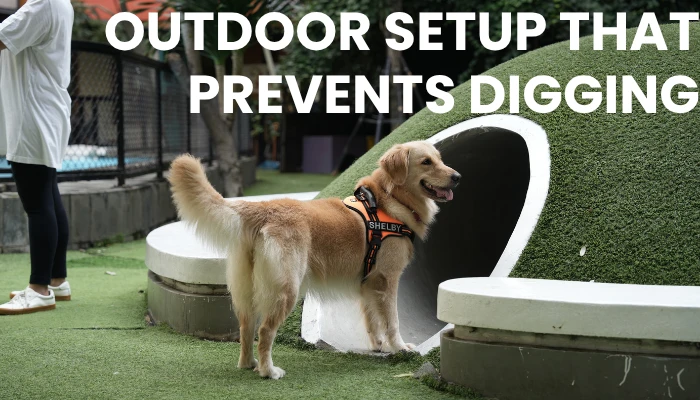
Your yard setup can either encourage digging—or prevent it.
Small changes here can create big results.
Create a Dog-Friendly Zone
If your dog enjoys being outside, make the space work for them.
Add:
- Shaded resting areas
- Comfortable surfaces
- Access to fresh water
When your dog is comfortable, they’re less likely to dig out of frustration or discomfort.
Use Different Ground Textures
Dogs prefer soft soil because it’s easy to dig.
You can discourage digging in certain areas by using:
- Gravel
- Mulch
- Bark chips
This subtly guides your dog away from problem zones without punishment.
Reinforce Boundaries Clearly
Many dogs dig because they don’t understand limits.
They don’t know where they’re allowed to go—or what’s off-limits.
Clear boundaries solve this problem.
Tools like the Halo Collar help reinforce those boundaries consistently.
This gives your dog structure and reduces behaviors like digging near fences or escape points.
Outdoor Setup That Prevents Digging
Not all dogs dig for the same reason.
And this is where many dog owners get frustrated—because what works for one dog doesn’t always work for another.
Your dog’s breed plays a major role in their digging behavior.
High-Digging Breeds
Some dogs are genetically wired to dig. It’s not just a habit—it’s part of who they are.
- Terriers: bred to hunt underground prey
- Huskies: dig to cool off and create shelter
- Beagles: follow scent trails beneath the surface
- Dachshunds: natural burrowers
If you own one of these breeds, your goal should be management—not total elimination.
This means giving them controlled outlets instead of trying to suppress the behavior completely.
What This Means for You
If your dog has strong digging instincts:
- Provide a designated digging area
- Increase mental stimulation daily
- Use structured training to guide behavior
This is where a system like Brain Training for Dogs becomes especially valuable.
It helps redirect natural instincts into controlled, positive behaviors instead of destructive ones.
When Digging Comes Back (And What to Do)
Sometimes, digging can return—even after progress.
This is normal.
Behavior isn’t always linear.
If it happens:
- Go back to the basics (exercise, stimulation)
- Reinforce your digging zone
- Stay consistent
Don’t panic or assume you’ve failed.
Just reset and continue.
The Real Solution to Dog Digging
Let’s simplify everything into one clear strategy.
To stop dog digging holes, you need to:
- Burn off excess energy daily
- Provide mental stimulation
- Redirect digging—not just stop it
- Create consistent routines
- Use structured training when needed
When all of these work together, the behavior fades naturally.
Fix the Behavior at Its Source
If you’re tired of temporary fixes, it’s time to address the root cause.
Digging is rarely just about the yard—it’s about how your dog thinks, reacts, and learns.
That’s why a structured system like Brain Training for Dogs can be so effective.
It doesn’t just stop digging—it improves your dog’s overall behavior, focus, and responsiveness.
Combine that with:
- Consistent stimulation from BarkBox
- Clear outdoor boundaries using the Halo Collar
And you create a complete system that works long-term.
Start today—and turn your yard back into something you’re proud of.
FAQs
Why does my dog keep digging holes?
Dogs dig due to boredom, excess energy, instinct, or anxiety. Identifying the root cause is key to stopping the behavior.
Will my dog ever stop digging completely?
Some dogs can stop completely, while others (especially digging breeds) need controlled outlets like designated digging areas.
What is the fastest way to stop dog digging?
The fastest way is combining exercise, mental stimulation, and structured training to eliminate the root cause.
Does punishment stop digging?
No. Punishment often increases anxiety and can make digging worse. Redirection and training are far more effective.