Few things are more stressful than watching your dog growl, snap, or become tense around food.
Many frustrated dog owners feel shocked the first time it happens. One moment your dog is happily eating dinner, and the next they are guarding their bowl like it’s a life-or-death situation.
The good news is that food aggression in dogs is more common than many people realize — and in most cases, it can absolutely improve with the right approach.
If you are searching for How To Stop Dog Food Aggression, the most important thing to understand is this: your dog is not trying to dominate you or be “bad.”
Food aggression usually comes from fear, insecurity, competition, past experiences, or instinctive resource guarding behaviors.
Punishing your dog often makes the problem worse.
Instead, successful training focuses on building trust, reducing anxiety, and teaching your dog that people near food are a positive thing — not a threat.
In this guide, you will learn exactly How To Stop Dog Food Aggression safely and effectively using practical, realistic strategies that actually work for everyday dog owners.
What Is Dog Food Aggression?
Food aggression is a form of resource guarding where a dog becomes defensive around food, treats, bones, or feeding areas.
Some dogs display subtle signs, while others react more intensely.
Common signs include:
- Growling while eating
- Freezing over the food bowl
- Snapping or lunging
- Showing teeth
- Eating extremely fast
- Guarding food from people or pets
- Stiff body posture
- Hovering protectively over food
Many owners searching for How To Stop Dog Food Aggression feel embarrassed or scared, especially if children are involved. But food aggression does not automatically mean your dog is dangerous. In many cases, dogs simply feel insecure about losing valuable resources.
Why Dogs Become Aggressive Around Food
Understanding the cause is critical if you truly want to learn How To Stop Dog Food Aggression long term.
Food aggression often develops because of:
Early Competition
Puppies raised in large litters sometimes learn they must compete aggressively for food.
Rescue Backgrounds
Dogs that experienced neglect, starvation, or inconsistent feeding schedules may become protective over food.
Anxiety
Nervous dogs are more likely to guard valuable resources.
Accidental Reinforcement
Sometimes owners unintentionally worsen guarding behavior by repeatedly grabbing food bowls or punishing the dog near meals.
Natural Instincts
Resource guarding is actually normal canine behavior to some extent. The goal is teaching dogs they do not need to guard food in your home.
Step 1: Stop Punishing Food Aggression
One of the biggest mistakes owners make is punishing growling.
Growling is communication.
When dogs growl, they are warning that they feel uncomfortable.
Punishing the growl can remove the warning sign without fixing the underlying fear. This may increase the risk of sudden bites later.
If you truly want to learn How To Stop Dog Food Aggression, focus on changing your dog’s emotional response instead of suppressing behavior through fear.
Avoid:
- Yelling
- Alpha rolls
- Hitting
- Taking food away aggressively
- Intimidation techniques
Modern dog training focuses on trust and behavior modification instead.
Step 2: Create A Calm Feeding Environment
Dogs with food aggression often feel stressed during mealtimes.
Start by reducing environmental tension.
Helpful changes include:
- Feeding in a quiet area
- Keeping children away during meals
- Separating multiple dogs
- Using consistent feeding routines
- Removing competition around food
Predictability helps anxious dogs relax.
Many frustrated dog owners see improvements simply by reducing chaos around feeding time.
Step 3: Hand Feeding Builds Trust
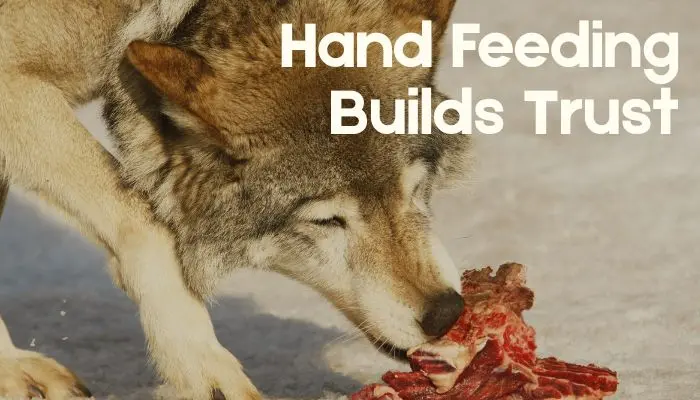
Hand feeding is one of the most effective exercises for dogs with mild to moderate food aggression.
This technique helps your dog associate human hands with positive experiences instead of threats.
Start slowly:
- Sit calmly near your dog
- Offer small pieces of food by hand
- Speak softly
- Keep sessions short
- Avoid sudden movements
Over time, your dog learns that people approaching food actually make good things happen. This trust-building process is an important part of How To Stop Dog Food Aggression safely.
Step 4: Add High-Value Treats Near The Bowl
This technique helps change your dog’s emotional reaction when people approach during meals. As your dog eats, calmly walk by and toss something better into the bowl.
Examples include:
- Small chicken pieces
- Cheese
- Freeze-dried treats
- High-value training treats
The goal is teaching your dog:
“People near my food make my meal even better.”
This reduces fear and helps create positive associations.
Never force interactions if your dog seems extremely tense or reactive.
Step 5: Teach “Trade” Commands
Dogs guarding food often panic because they fear losing valuable items forever. Teaching trade exercises helps reduce this fear. Start with low-value objects first. Offer your dog something better in exchange for the item they have.
For example:
- Trade a toy for treats
- Trade a chew for chicken
- Reward voluntary releases
This teaches your dog that giving things up can actually lead to rewards.
Trade exercises are extremely helpful when learning How To Stop Dog Food Aggression because they build trust instead of conflict.
Step 6: Slow Down Fast Eating
Many food-aggressive dogs eat extremely fast due to anxiety or competition instincts.
Fast eating can increase stress and tension around meals.
Slow-feeder bowls and puzzle feeders help dogs relax and focus more calmly during feeding time.
Interactive feeding tools also provide mental stimulation, which reduces anxiety overall.
Many owners combine enrichment tools with training systems like Brain Training for Dogs to improve both emotional balance and impulse control.
Mental stimulation often plays a huge role in reducing guarding behavior.
Step 7: Never Force Your Hand Into The Bowl
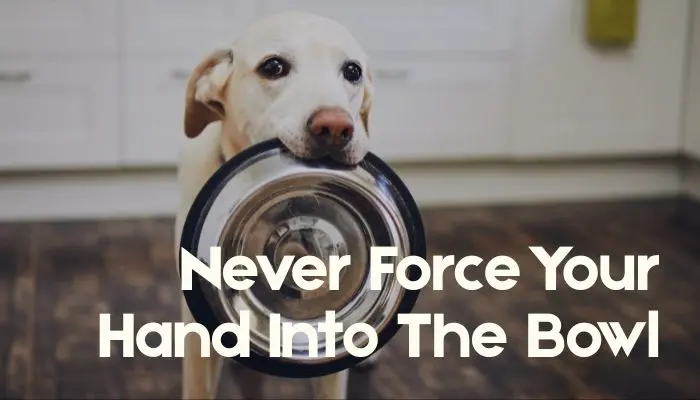
Older training advice sometimes encouraged owners to repeatedly stick hands into food bowls.
Unfortunately, this often backfires.
For anxious dogs, this can increase distrust and make guarding worse.
Instead, your goal should be teaching your dog that human presence around food predicts rewards — not conflict.
If you are working on How To Stop Dog Food Aggression, patience matters far more than dominance.
Step 8: Use Structured Training Sessions
Food aggression improvement rarely happens overnight.
Consistency is everything.
Short daily sessions usually work best.
Focus on:
- Calm feeding routines
- Rewarding relaxed behavior
- Confidence-building exercises
- Positive reinforcement
- Predictability
Dogs learn through repetition and emotional associations.
Many frustrated owners notice the biggest improvements after several weeks of calm, consistent practice.
Step 9: Separate Dogs During Meals
Multi-dog households often increase resource guarding behaviors.
Even friendly dogs may become tense around food competition.
Feed dogs separately whenever possible.
Use:
- Different rooms
- Crates
- Baby gates
- Separate feeding schedules
Reducing competition dramatically lowers stress for many dogs.
This is one of the simplest solutions for owners researching How To Stop Dog Food Aggression in multi-pet homes.
 Common Mistakes That Make Food Aggression Worse
Many owners unintentionally increase guarding behavior.
Avoid these common mistakes:
Punishing Growling
This suppresses communication without reducing fear.
Taking Food Away Constantly
Frequent forced removal can increase insecurity.
Crowding The Dog During Meals
Dogs need personal space while learning calm behavior.
Allowing Children To Disturb Eating Dogs
Children should never approach dogs while they eat.
Inconsistent Rules
Predictable routines help anxious dogs feel safe.
Understanding these mistakes is critical if you genuinely want to know How To Stop Dog Food Aggression effectively.
Can Food Aggression Be Completely Fixed?
In many cases, yes — especially when addressed early.
However, some dogs may always need management around high-value resources.
Improvement depends on:
- The dog’s history
- Severity of guarding
- Consistency of training
- Household environment
- Anxiety levels
The goal is creating safer, calmer behavior while reducing stress and fear.
Most dogs improve significantly with proper guidance.
Mental Stimulation Helps Reduce Guarding
Anxious, under-stimulated dogs often display more behavioral problems overall.
Mental enrichment can help reduce stress and improve emotional balance.
Helpful activities include:
- Puzzle toys
- Scent work
- Obedience games
- Food puzzles
- Training exercises
- Interactive enrichment
Programs like Brain Training for Dogs combine mental stimulation with structured behavior exercises that many owners find helpful for nervous or reactive dogs.
A mentally engaged dog is often calmer and more responsive overall.
Why Consistency Matters So Much
Dogs learn through repeated experiences.
If one day meals feel safe and predictable but the next day feels stressful and chaotic, progress slows down.
Consistency creates emotional security.
Keep feeding routines predictable:
- Same location
- Same schedule
- Calm environment
- Consistent training responses
Dogs thrive when they know what to expect.
🐾 Helpful Products For Food Aggression Training
Managing food aggression becomes easier when you have the right tools.
Many owners use Chewy to find:
- Slow feeder bowls
- Puzzle feeders
- Training treats
- Interactive toys
- Crates and gates
- Feeding accessories
These tools support safer and calmer mealtime routines.
For healthy long-lasting chews that encourage calm chewing behavior, some owners also like Pawstruck products.
Appropriate chewing outlets can help anxious dogs relax naturally.
Can Food Aggression Affect Puppies?
Yes.
Puppies can absolutely develop food guarding behaviors.
The good news is that early intervention works extremely well.
Teaching puppies calm feeding routines early can prevent serious problems later.
Focus on:
- Positive feeding experiences
- Reward-based training
- Gentle handling
- Trade games
- Confidence-building
Never punish puppy guarding behaviors harshly.
Early trust-building matters far more.
When To Contact A Professional Trainer
Some dogs show severe guarding behaviors that require professional help.
Seek guidance if your dog:
- Has bitten someone
- Lunges aggressively
- Guards multiple resources
- Displays escalating behavior
- Cannot safely eat around people
Look for positive reinforcement-based trainers experienced with resource guarding cases.
Avoid trainers who rely heavily on intimidation or dominance methods.
Outdoor Boundaries And Overall Behavior
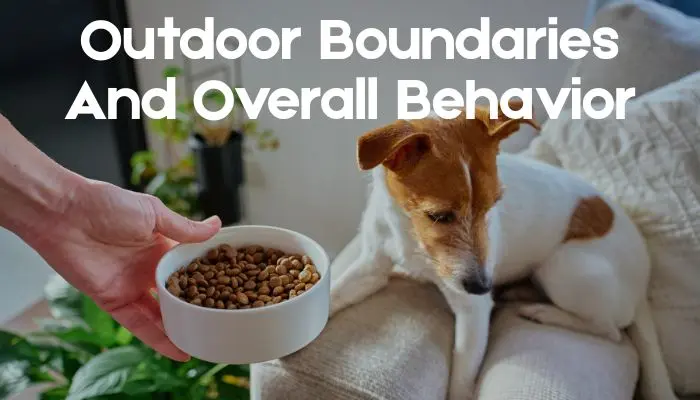
Some food-aggressive dogs also struggle with impulsive or reactive behavior in other situations.
Consistency across all training areas helps improve emotional control overall.
Some owners use tools like the Halo Collar to reinforce structure and outdoor boundaries during walks and training.
Calmer routines often improve overall behavior, not just food guarding.
Daily Structure Reduces Anxiety
Many behavioral issues improve when dogs have predictable daily routines.
Dogs feel more secure when they know:
- When meals happen
- When walks happen
- When training occurs
- When rest time happens
Daily structure reduces uncertainty and stress.
Many owners stay organized using products from Pet Care Supplies to support feeding, training, and everyday dog care routines.
Small routine improvements can create major behavioral changes over time.
Food Aggression Can Improve
Dealing with resource guarding can feel emotionally exhausting.
Many frustrated dog owners worry they failed their dog or fear the behavior will never improve.
But most dogs displaying food aggression are acting from insecurity — not dominance or spite.
Learning How To Stop Dog Food Aggression starts with understanding your dog’s emotional state and building trust step by step.
Stay patient.
Avoid punishment.
Focus on calm routines, positive associations, and consistency.
For many dogs, even small daily improvements add up to major long-term progress.
If you want additional structured help with confidence-building and behavior training, many owners use Brain Training for Dogs alongside enrichment exercises and positive reinforcement techniques.
With the right approach, calmer and safer mealtimes are absolutely possible.