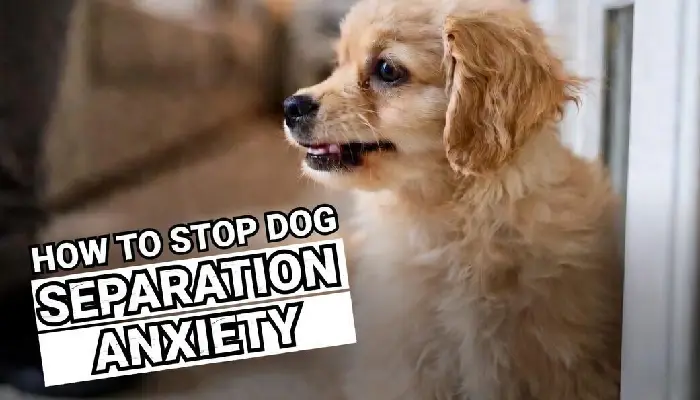
If your dog barks, whines, chews furniture, or completely panics the moment you leave the house… you’re not dealing with “bad behavior.” You’re dealing with separation anxiety — and it can feel overwhelming.
Many dog owners reach a breaking point:
- Neighbors complaining about noise
- Destroyed furniture and scratched doors
- Feeling guilty every time you leave
But here’s the part most people don’t realize:
Separation anxiety is one of the most fixable behavior problems — when you follow the right system.
This guide will walk you through exactly how to stop dog separation anxiety step by step, even if your dog has severe symptoms.
What Is Dog Separation Anxiety?

Dog separation anxiety happens when your dog becomes stressed or panicked when left alone.This isn’t boredom. It’s emotional distress.
Common signs include:
- Excessive barking or whining
- Destructive chewing or digging
- Scratching doors or windows
- Pacing or restlessness
- Accidents inside the house
If these behaviors happen only when you’re gone (or about to leave), separation anxiety is the likely cause.
Why Dogs Develop Separation Anxiety
Understanding the root cause helps you fix it faster.Most dogs don’t naturally know how to be alone. They have to learn it.
Common causes include:
- Sudden schedule changes (you going back to work)
- Moving to a new home
- Being adopted or rehomed
- Lack of independence training
- Over-attachment to owners
In simple terms: Your dog hasn’t learned that being alone is safe.
The Biggest Mistake That Makes Anxiety Worse

Before fixing the problem, you need to stop making it worse.
Most dog owners accidentally reinforce anxiety by:
- Giving emotional goodbyes
- Talking to their dog before leaving
- Over-comforting anxious behavior
This creates dependency. Your dog learns: “Something bad is about to happen when my owner leaves.” We’re going to reverse that.
Step 1: Make Your Departures Completely Boring
This sounds simple — but it’s incredibly powerful.Your goal is to remove emotion from leaving.
What NOT to do:
- No long goodbyes
- No hugging or petting before leaving
- No talking in a soothing voice
What TO do instead:
- Ignore your dog 10 minutes before leaving
- Stay calm and neutral
- Leave quietly without drama
This teaches your dog that your departure is not a big event.
Step 2: Create a Safe, Calming Environment
Your dog needs a place where they feel secure — not punished.
This could be:
- A crate (properly introduced)
- A quiet room
- A designated resting area
The goal is to create a predictable, calm environment.
Using structured essentials from Pet Care Supplies can make this much easier by helping you build a consistent setup your dog recognizes as safe. Consistency is what reduces anxiety.
Step 3: Start Independence Training (While You’re Home)
If your dog follows you everywhere, that’s a major cause of separation anxiety. You need to teach them that being alone — even when you’re home — is okay.
Start small:
- Have your dog stay in another room for short periods
- Use a “place” command
- Ignore attention-seeking behavior sometimes
This builds confidence and reduces emotional dependency.
Step 4: Exercise Before You Leave (Game Changer)
A tired dog is a calmer dog. Before leaving, make sure your dog gets:
- A 20–30 minute walk
- Playtime (fetch, tug, etc.)
- Basic training drills
This reduces excess energy and stress hormones. But here’s what most owners miss:
Mental stimulation is just as important as physical exercise.
That’s where tools like BarkBox come in. They provide engaging toys that keep your dog mentally occupied — especially during the critical first 30 minutes after you leave. This is when anxiety is usually at its peak.
Step 5: Understand What Success Looks Like
At this stage, you’re not “curing” separation anxiety yet. You’re building the foundation. Here’s what progress looks like early on:
- Slightly less barking when you leave
- Reduced pacing
- Shorter anxiety episodes
These small wins matter. They’re signs your dog is starting to feel safer.
Why Most Training Fails (And How to Avoid It)
Many dog owners try random tips and give up when nothing changes.
The problem?
No structure.
No system.
If you want faster, more reliable results, following a proven program like Brain Training for Dogs can make a huge difference.
It’s designed around how dogs actually learn, helping you build long-term behavior changes — not temporary fixes.
Step 6: Gradual Desensitization (The Breakthrough Method)
If there’s one technique that truly fixes separation anxiety, this is it. Gradual desensitization teaches your dog that being alone is safe — without triggering panic. Most owners fail because they leave their dog alone for too long, too soon. That’s what keeps the anxiety cycle going.
How Desensitization Works
Instead of forcing your dog to “deal with it,” you slowly build their tolerance to being alone. You start at a level where your dog feels calm — then increase gradually. This rewires how your dog responds to your absence.
Step-by-Step Desensitization Plan
Start small — even if it feels too easy.
- Leave for 1–2 minutes
- Return calmly (no excitement)
- Repeat multiple times per day
Once your dog stays calm:
- Increase to 5 minutes
- Then 10 minutes
- Then 15–30 minutes
Important rule:
Only increase time if your dog is completely calm at the current level. If they panic, you’ve moved too fast.
Why This Works So Well
Your dog isn’t learning to “tolerate” being alone. They’re learning that nothing bad happens when you leave. That shift is what eliminates anxiety long-term.
Step 7: Eliminate Departure Triggers
Dogs are incredibly observant. They associate certain actions with you leaving:
- Picking up keys
- Putting on shoes
- Grabbing your bag
These triggers can cause anxiety before you even leave.
How to Fix It
Practice these actions without actually leaving.
- Pick up your keys, then sit down
- Put on shoes, then stay home
- Open the door, then close it
Repeat this daily. Your dog will stop associating these cues with separation.
Step 8: Give Your Dog a “Job” When You Leave
One of the best ways to reduce anxiety is to redirect focus. Instead of panicking, your dog should be engaged. This is where mental stimulation becomes critical. Providing structured enrichment through tools like BarkBox gives your dog something to focus on instead of your absence. These types of activities tap into natural instincts and reduce stress. The goal is simple:
Replace anxiety with engagement.
Step 9: Use Smart Training Tools for Consistency
Consistency is one of the biggest challenges for dog owners. And inconsistency slows progress dramatically.
That’s why structured tools can help reinforce training automatically.
For example, the Halo Collar helps guide behavior and establish boundaries consistently — especially useful if your dog becomes anxious in outdoor spaces. It removes guesswork and helps your dog understand limits clearly.
Step 10: Reward Calm Behavior (Not Anxiety)
This is where timing matters. Many owners accidentally reward anxious behavior without realizing it.
For example:
- Comforting a whining dog
- Giving attention during panic
- Returning home immediately when barking starts
This teaches your dog:
“If I panic, I get attention.”
Instead:
- Reward calm behavior only
- Give treats when your dog is relaxed
- Reinforce quiet, settled states
Using high-value rewards from Pawstruck can make this process much more effective.
Better rewards = faster learning.
Step 11: Fix Your Return Routine (Critical Step)
What you do when you come home matters more than you think.
Avoid this:
- Excited greetings
- High-energy interactions
- Immediate attention
Do this instead:
- Walk in calmly
- Ignore your dog for a few minutes
- Wait for calm behavior
- Then greet quietly
This teaches emotional control.
Step 12: Strengthen the Routine (This Builds Stability)
Dogs thrive on predictability. The more consistent your daily routine is, the safer your dog feels.
This includes:
- Feeding times
- Walk schedules
- Training sessions
- Departure routines
Using a reliable platform like Chewy can help you stay consistent with supplies, food, and daily essentials.
Consistency reduces uncertainty — and uncertainty drives anxiety.
Common Mistakes That Slow Down Progress

Even with good intentions, these mistakes can delay results:
- Moving too fast with alone time
- Inconsistent training
- Skipping exercise
- Reinforcing clingy behavior
- Using punishment
Separation anxiety is not something you “correct.” It’s something you retrain.
What Progress Looks Like at This Stage
By now, you should start noticing:
- Less intense reactions when you leave
- Shorter periods of anxiety
- Improved ability to stay alone
These changes may seem small — but they’re huge milestones. This is where real transformation begins.
When to Slow Down
If your dog starts showing anxiety again, it means one thing:
You’re progressing too quickly.
Go back to a shorter duration and rebuild. This is normal — not failure.
Advanced Strategies for Severe Separation Anxiety
If your dog shows extreme behaviors like nonstop barking, attempts to escape, or self-harm, you’re dealing with a more severe case of separation anxiety.
This doesn’t mean it’s unfixable — it just means you need a more structured and patient approach.
1. Start Smaller Than You Think
For severe anxiety, even a few minutes alone can trigger panic.
So instead of starting with 5–10 minutes, go much smaller:
- 30 seconds alone
- 1 minute
- 2 minutes
This may feel slow, but it prevents setbacks and builds real confidence.
Rushing this stage is the #1 reason severe cases don’t improve.
2. Layer Your Approach (Don’t Rely on One Method)
Severe separation anxiety often requires combining multiple strategies:
- Desensitization training
- Environmental control
- Mental stimulation
- Consistent routines
When all of these work together, progress becomes much faster and more stable.
3. Increase Mental Engagement
Dogs with high anxiety often have excess mental energy.
Giving them something to focus on can dramatically reduce stress.
This is where enrichment tools like BarkBox become especially useful.
Instead of pacing or panicking, your dog stays engaged and mentally occupied.
This is most effective during the first 30–60 minutes after you leave.
4. Strengthen Training With a Proven System
At this level, random tips won’t be enough.
You need a structured, step-by-step system.
That’s where Brain Training for Dogs comes in.
It focuses on how dogs actually learn, helping you rebuild behavior patterns from the ground up.
For many owners, this is what turns slow progress into consistent results.
When to Consider Professional Help

Some cases require expert support.
Consider working with a trainer or behaviorist if your dog:
- Injures themselves trying to escape
- Breaks out of crates or rooms
- Panics for long periods without calming down
Getting help early can prevent long-term issues.
How Long Does It Take to Fix Separation Anxiety?
This depends on your dog’s starting point and your consistency.
- Mild cases: 2–4 weeks
- Moderate cases: 4–8 weeks
- Severe cases: 2–4+ months
But here’s the key:
Consistency matters more than speed.
Daily progress — even small — leads to long-term success.
Signs Your Dog Is Improving
Progress isn’t always dramatic at first.
Look for these signs:
- Less intense reactions when you leave
- Shorter periods of barking or whining
- More relaxed body language
- Ability to stay alone longer
These small improvements are building toward full recovery.
Daily Routine That Works (Simple System)
If you want a clear structure, follow this daily routine:
- Morning exercise (walk or play)
- Short independence training session
- Desensitization practice (short departures)
- Leave with a mental stimulation activity
- Calm, controlled return
This keeps your training consistent and effective.
The Role of Nutrition in Behavior

This is often overlooked — but it matters.
Poor nutrition can lead to:
- Low energy or hyperactivity
- Poor focus during training
- Increased stress levels
Providing balanced meals supports better behavior and learning.
Options like Just Food For Dogs help improve energy levels and overall wellbeing, making your dog more responsive to training.
When your dog feels better physically, they behave better mentally.
Common Setbacks (And How to Handle Them)
Setbacks are normal.
You might notice:
- Regression after a few good days
- Increased anxiety after a schedule change
- Temporary barking or restlessness
When this happens:
- Go back to shorter durations
- Reinforce calm behavior
- Stay consistent
Progress isn’t linear — and that’s okay.
What NOT to Do (Important)
Avoid these common mistakes:
- Punishing anxious behavior
- Leaving your dog alone too long too soon
- Being inconsistent with routines
- Over-comforting anxiety
These can reset your progress.
Final Thoughts: You Can Fix This
Separation anxiety can feel exhausting — but it’s absolutely something you can overcome.
Your dog isn’t trying to frustrate you.
They just don’t feel safe being alone — yet.
With the right approach, that will change.
Focus on:
- Consistency
- Patience
- Structured training
And most importantly — don’t give up too early.
The results are worth it.

Take Action Today
If you want to start seeing results quickly, begin with this:
- Practice short departures today
- Remove emotional goodbyes
- Add mental stimulation tools
- Follow a structured system like Brain Training for Dogs
The sooner you start, the sooner your dog becomes calm, confident, and independent.