
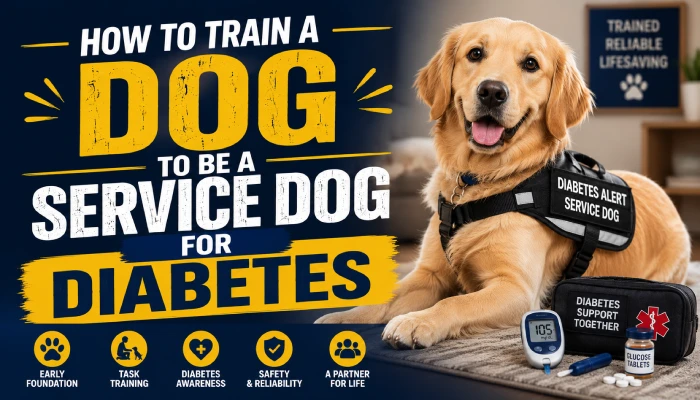
Imagine having a dog that doesn’t just love you—it helps protect your life.
For people living with diabetes, especially those who experience unexpected blood sugar highs or lows, every minute matters. A well-trained diabetes service dog can detect subtle scent changes associated with blood glucose fluctuations and alert its handler before the situation becomes dangerous. That early warning can provide valuable time to check blood sugar levels and take appropriate action.
But here’s where many people get stuck…
They assume any intelligent dog can become a diabetes service dog with a few YouTube videos and a handful of treats.
Unfortunately, that’s not how it works.
Training a diabetes service dog requires patience, consistency, advanced obedience, scent work, and hundreds of hours of practice. While not every dog has the temperament or ability to perform medical alert work, many dogs can learn exceptional obedience and assistance skills that build a strong foundation.
In this guide, you’ll learn exactly how to begin training a dog for service work, avoid common mistakes, and discover resources that make the process significantly easier.
What Is a Diabetes Service Dog?
A diabetes service dog is specially trained to assist a person with diabetes by detecting changes associated with blood glucose levels and performing specific trained tasks after alerting their handler.
Depending on the dog’s training, these tasks may include:
- Alerting to possible blood sugar changes
- Retrieving a glucose kit or medication
- Bringing a phone
- Getting another family member
- Staying with the handler during an episode
- Applying trained pressure or remaining close until help arrives
It’s important to understand that these dogs undergo extensive training. Reliable medical alert behavior should not be assumed without appropriate training and validation.
Step 1: Choose the Right Dog
The best training program can’t overcome the wrong temperament.
An ideal diabetes service dog should be:
- Calm under pressure
- Highly motivated by rewards
- Friendly with people
- Comfortable in public
- Confident but not aggressive
- Able to focus despite distractions
Popular breeds include:
- Labrador Retrievers
- Golden Retrievers
- Standard Poodles
- German Shepherds
- Collies
Mixed breeds can also succeed if they possess the necessary temperament and health.
Age matters too.
Puppies often learn faster, but adult dogs with excellent personalities can also become outstanding service dogs.
Before investing months of training, have your veterinarian perform a complete health examination.
Step 2: Build Rock-Solid Obedience
Before a dog can perform medical tasks, basic obedience must become second nature.
Your dog should consistently respond to:
- Sit
- Down
- Stay
- Come
- Heel
- Leave It
- Place
- Quiet
These commands must work:
- Around strangers
- Around other dogs
- In busy stores
- During loud distractions
- Outdoors
Think of obedience as the foundation of a skyscraper.
Without it, everything else eventually falls apart.
One of the easiest ways to build reliable obedience is by following a structured program like Brain Training for Dogs, which teaches progressive exercises that improve focus, listening skills, impulse control, and long-term behavior. You can learn more here:
https://dogcareandtraining.com/brain-training
Rather than relying on random training videos, a step-by-step system helps ensure your dog masters each skill before moving to the next.
Step 3: Socialize Your Dog Everywhere
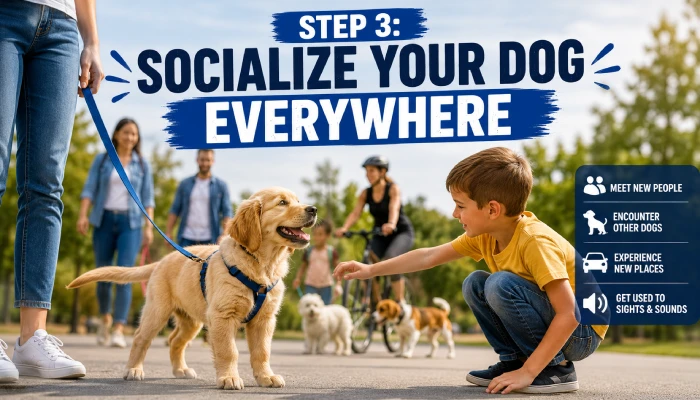
A diabetes service dog must remain calm in nearly every environment.
Practice visits to:
- Grocery stores (where permitted)
- Shopping centers
- Parks
- Medical offices
- Restaurants (where appropriate)
- Public transportation
- Busy sidewalks
Expose your dog to:
- Children
- Wheelchairs
- Shopping carts
- Elevators
- Automatic doors
- Loud noises
- Crowds
Reward calm behavior.
Never force fearful dogs into overwhelming situations.
Confidence develops gradually through repeated positive experiences.
Step 4: Introduce Scent Detection Training
This is where diabetes service training becomes much more specialized.
Many professional trainers use saliva samples collected during confirmed low or high blood sugar events to teach scent recognition.
Training generally includes:
- Presenting the target scent.
- Rewarding investigation.
- Pairing the scent with a specific alert behavior.
- Increasing distractions.
- Practicing in different environments.
- Testing reliability over time.
Common alert behaviors include:
- Pawing
- Nudging
- Nose bumping
- Sitting and staring
- Barking once
- Fetching an alert object
Because scent detection is highly specialized, many owners choose to work alongside experienced service dog trainers for this stage.
Step 5: Teach Practical Assistance Tasks
Alerting alone isn’t enough.
Your dog should also learn helpful follow-up behaviors.
Examples include:
Retrieve Medical Supplies
Teach your dog to bring:
- Glucose meter
- Emergency snacks
- Medication bag
- Find Another Person
Your dog can learn to locate a family member after an alert.
Bring a Phone
Some dogs learn to retrieve a phone so help can be contacted quickly.
Apply Deep Pressure
Some handlers benefit from trained pressure that encourages them to remain still and focus after an alert.
Each task should be practiced separately before combining them into realistic scenarios.
Step 6: Practice Every Day
Service dogs aren’t created during weekend training sessions.
Consistency wins.
Aim for:
- Two to four short sessions daily
- Five to fifteen minutes each
- Plenty of rewards
- Frequent repetition
Keep sessions positive.
End while your dog is still engaged and successful.
Mental exercise is just as important as physical exercise.
Interactive toys, enrichment activities, and puzzle games help improve focus and reduce boredom between training sessions.
Monthly enrichment subscriptions like BarkBox can provide rotating toys and activities that keep intelligent dogs mentally engaged, making regular training sessions more productive.
Step 7: Maintain Excellent Health and Nutrition
A tired, unhealthy dog won’t perform consistently.
Good training depends on:
- Proper sleep
- Daily exercise
- Healthy weight
- Regular veterinary care
- Balanced nutrition
Many trainers notice better focus when dogs receive consistent, high-quality diets.
Fresh food options such as Just Food For Dogs provide balanced nutrition that supports energy levels, digestion, and overall wellbeing—all factors that can contribute to better training performance.
Common Mistakes When Training a Diabetes Service Dog
1. Rushing Advanced Training
Many owners skip foundational obedience because they’re excited to teach alerts. Without reliable obedience, advanced tasks become inconsistent. Master the basics first.
2. Training Sessions That Are Too Long
Dogs learn better with multiple short sessions than one exhausting hour. Keep lessons enjoyable.
3. Inconsistent Rewards
If family members use different commands or reward different behaviors, dogs become confused. Everyone should use the same cues and expectations.
Recommended Training Resource
Learning to train a diabetes service dog can feel overwhelming.
That’s why many owners begin with a structured obedience program before moving into specialized medical alert training.
One of the most recommended programs is Brain Training for Dogs.
You can learn more here:
https://dogcareandtraining.com/brain-training
Created by Adrienne Farricelli, a professional CPDT-KA certified dog trainer, the program focuses on improving communication between owners and dogs using positive reinforcement and progressive mental exercises.
Rather than relying on punishment or shortcuts, it teaches dogs how to think, solve problems, and develop reliable behaviors that create an excellent foundation for advanced service work.
While it is not a medical alert certification program, it provides many of the obedience, focus, impulse control, and engagement skills needed before beginning specialized diabetes scent training.
Benefits of Brain Training for Dogs
- Step-by-step lessons that are easy to follow
- Builds strong obedience and reliability
- Improves focus and attention
- Encourages positive reinforcement methods
- Helps reduce unwanted behaviors that interfere with training
- Strengthens the bond between dog and owner
- Suitable for puppies and adult dogs
- Creates an excellent foundation for advanced service work
Ready to Start Training? 🐶🐶
Every successful diabetes service dog starts with the same thing:
A strong training foundation.
Whether your goal is better obedience, improved focus, or preparing for advanced medical assistance work, beginning with a structured program can save months of frustration.
Learn more about Brain Training for Dogs here:
https://dogcareandtraining.com/brain-training
With patience, consistency, and the right guidance, you’ll be giving your dog the best possible chance to succeed.
Frequently Asked Questions
Can any dog become a diabetes service dog?
No. While many dogs can learn advanced obedience, only dogs with the right temperament, health, motivation, and aptitude are suitable for diabetes service work.
How long does it take to train a diabetes service dog?
Training often takes 18 to 24 months, depending on the dog’s age, experience, and the complexity of the tasks being taught.
Do diabetes service dogs naturally detect blood sugar changes?
Some dogs may naturally notice scent changes, but reliable medical alert behavior requires extensive training and ongoing practice. Natural ability alone is not enough.
Can I train my own diabetes service dog?
Yes, many people train their own dogs, although specialized scent detection and public access skills often benefit from guidance from experienced service dog trainers.
Conclusion
Training a dog to become a diabetes service dog is a significant commitment, but the rewards can be life-changing.
Start by choosing a suitable dog, build dependable obedience, provide extensive socialization, introduce scent work carefully, teach practical assistance tasks, and practice consistently. Avoid rushing the process, and remember that a strong foundation makes advanced training much easier.
If you’re looking for a structured way to build that foundation, Brain Training for Dogs is an excellent place to start. It helps develop the focus, obedience, and communication skills that every future service dog needs before progressing to specialized medical alert training.
With patience, realistic expectations, and consistent daily work, you’ll be well on your way to developing a dependable canine partner.