
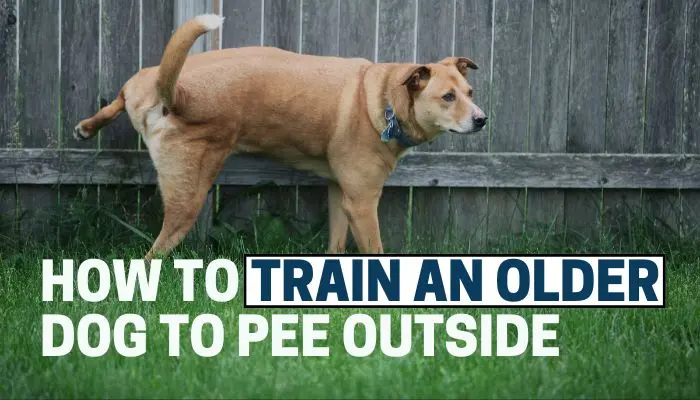
If you are struggling with accidents on the carpet, puddles near the door, or a stubborn senior dog that refuses to pee outside, you are not alone. Many frustrated dog owners assume an older dog cannot be retrained. Thankfully, that is completely false.
Learning How To Train An Older Dog To Pee Outside takes patience, consistency, and the right approach. Older dogs may have years of bad habits, anxiety, confusion, or inconsistent routines. But with the right system, even stubborn dogs can learn where they should go.
The good news is that older dogs are often calmer and more focused than puppies. Once they understand the routine, progress can happen surprisingly fast. That is why many pet owners searching for How To Train An Older Dog To Pee Outside are surprised by how quickly older dogs can improve with a structured routine.
In this guide, you will learn:
- Why older dogs suddenly stop peeing outside
- How to retrain bad bathroom habits
- The fastest way to create a consistent potty routine
- Common mistakes that make accidents worse
- The best tools and products to make training easier
If you are exhausted from cleaning accidents every day, this step-by-step guide on How To Train An Older Dog To Pee Outside will help you regain control while building trust with your dog.
Why Older Dogs Start Peeing Inside
Before fixing the behavior, you need to understand why it is happening. Many frustrated owners searching for How To Train An Older Dog To Pee Outside often focus on the accidents themselves instead of the real cause behind them.
Many dog owners accidentally punish symptoms instead of solving the root problem. Older dogs usually pee inside for one of these reasons:
- They were never fully house-trained
- They developed inconsistent habits
- Medical issues are interfering
- Stress or anxiety is triggering accidents
- They do not understand where you want them to go
- They are left inside too long
- Their previous owners allowed indoor accidents
Senior dogs may also struggle with weaker bladder control. That does not mean training is impossible. It simply means your routine must become more predictable. Understanding these causes is one of the most important parts of How To Train An Older Dog To Pee Outside successfully.
🐶 Rule Out Medical Problems First
Before beginning any training program, schedule a vet visit.
Sometimes indoor peeing is caused by:
- Urinary tract infections
- Kidney disease
- Diabetes
- Incontinence
- Arthritis pain
- Cognitive decline in senior dogs
If your dog suddenly starts peeing indoors after years of good behavior, health problems may be the reason.
Once medical issues are ruled out, you can focus completely on behavior training.
Create a Strict Bathroom Schedule
The fastest way to train an older dog to pee outside is by removing confusion.
Dogs thrive on routine. When bathroom breaks occur at random, accidents become more likely.
Take Your Dog Outside at These Times
- Immediately after waking up
- Right after meals
- After drinking water
- After playtime
- Before bedtime
- Every 2–3 hours during retraining
Consistency is more important than duration. Even quick bathroom trips help build the habit.
Always take your dog to the same potty spot outside. Familiar scents encourage dogs to pee faster and reduce distractions.
Use Positive Reinforcement Immediately
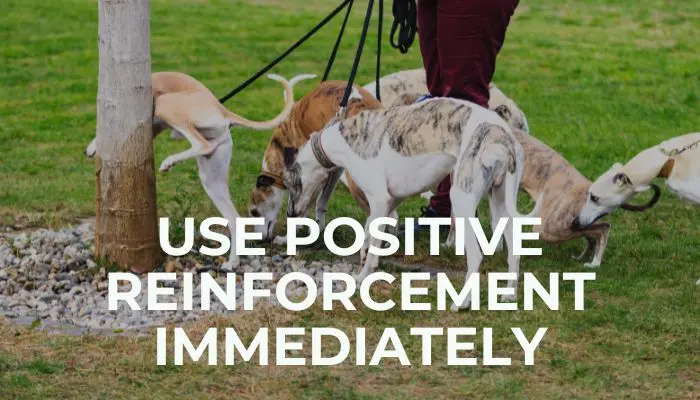
One of the biggest mistakes frustrated dog owners make is waiting too long to reward good behavior.
The reward must happen within seconds after your dog pees outside.
When your dog successfully uses the bathroom outdoors:
- Praise enthusiastically
- Use a cheerful voice
- Offer a high-value treat
- Pet and encourage them
Dogs repeat behaviors that create positive outcomes.
If you wait until returning inside to reward them, your dog may not connect the reward to peeing outside.
Best Product Recommendation for Faster Training
Many dog owners struggle because they accidentally send mixed signals during training.
A structured system can dramatically speed up the learning process.
One popular option is Brain Training For Dogs. This step-by-step training program focuses on behavior shaping, communication, and creating reliable habits using positive reinforcement techniques.
It is especially helpful for frustrated owners dealing with stubborn or older dogs that already have bad habits.
Supervise Your Dog Indoors
During retraining, freedom inside the house should be limited.
If your dog wanders unsupervised, accidents become more likely.
Instead:
- Keep your dog in the same room as you
- Use baby gates when needed
- Leash your dog indoors during early retraining
- Watch for signs they need to go out
Signs Your Dog Needs to Pee
- Sniffing the floor
- Walking in circles
- Whining near the door
- Suddenly leaving the room
- Restlessness
The moment you notice these signals, take your dog outside immediately.
Clean Accidents the Right Way
If your home still smells like urine, your dog may continue peeing in the same spot.
Dogs rely heavily on scent memory.
Standard household cleaners often fail to eliminate urine enzymes completely.
Use an enzymatic cleaner specifically designed for pet accidents. Thoroughly soak the area and follow the instructions carefully.
Avoid ammonia-based cleaners because they can smell similar to urine and accidentally encourage repeat accidents.
Do Not Punish Your Dog
Yelling, rubbing your dog’s nose in accidents, or using fear-based methods almost always backfires.
Punishment creates anxiety and confusion.
Your dog may begin hiding accidents instead of learning where to pee.
Older dogs respond best to calm leadership and consistency.
If you catch your dog mid-accident:
- Interrupt gently with a calm sound
- Immediately take them outside
- Reward them if they finish outdoors
If you find an old accident later, simply clean it and move on.
Use Crate Training the Correct Way
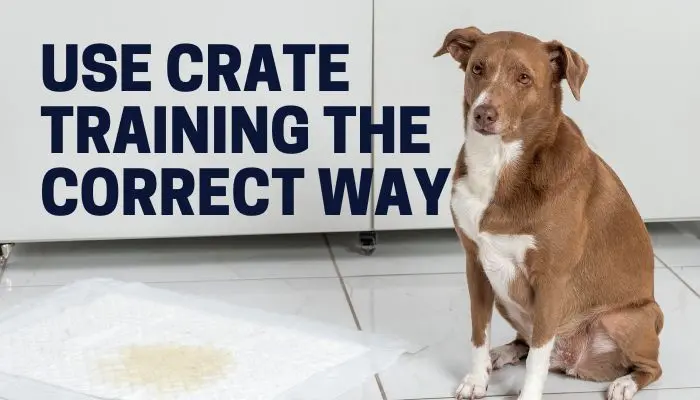
Crate training is one of the fastest ways to retrain an older dog to pee outside.
Dogs naturally avoid soiling their sleeping area.
When used correctly, a crate helps build bladder control and structure.
Important Crate Training Tips
- The crate should be large enough to stand and turn around
- Do not leave your dog crated too long
- Make the crate comfortable and calming
- Always take your dog outside immediately after crate time
Never use the crate as punishment.
The goal is to create a safe, predictable environment.
Establish a Consistent Feeding Schedule
Free-feeding makes bathroom timing unpredictable. Instead, feed your dog at the same times every day. Most dogs need to relieve themselves within 15–30 minutes after eating. A consistent meal schedule creates predictable potty opportunities.
Helpful Nutrition Support
Diet quality can also impact digestion and bathroom habits 🧠🐾.
Many dog owners prefer fresh food options like JustFoodForDogs, which focuses on balanced nutrition and digestive support.
Healthy digestion can reduce urgency and improve bathroom consistency. ❤️🐕
Train a Bathroom Cue Word
Teaching a verbal potty cue can speed up training dramatically.
Every time your dog begins peeing outside, calmly say a phrase like:
- Go potty
- Do your business
- Go pee
Eventually, your dog will associate the cue with the behavior. This becomes extremely useful during bad weather, travel, or nighttime bathroom breaks.
Reduce Anxiety and Mental Stress
Some older dogs pee indoors due to stress, boredom, or anxiety. This is especially common in rescue dogs or dogs adjusting to a new home. Mental stimulation can help reduce anxious behaviors that contribute to accidents.
🐕 Helpful Enrichment Products
Monthly enrichment subscriptions like BarkBox can provide toys, chew activities, and mental stimulation that reduce destructive or anxious behaviors.
A mentally engaged dog is often calmer, more focused, and easier to train.
Take Longer Walks
Sometimes dogs become distracted during quick potty breaks. Walking encourages movement, which naturally stimulates bladder activity.
If your dog refuses to pee outside:
- Take a calm 10–15 minute walk
- Allow sniffing
- Avoid rushing them
- Reward immediately after success
Many dogs feel safer relieving themselves while walking rather than standing still in one place.
How Long Does It Take to Train an Older Dog?
This is one of the most common questions frustrated dog owners ask.
The answer depends on:
- Your consistency
- The dog’s previous habits
- Medical conditions
- Anxiety levels
- How often accidents were previously allowed
Some dogs improve within days.
Others may require several weeks of consistent retraining.
The key is avoiding setbacks caused by inconsistency.
Common Mistakes That Slow Down Potty Training
1. Giving Too Much Freedom Too Soon
Even if your dog has a few successful days, continue supervising closely.
Old habits can return quickly.
2. Inconsistent Schedules
If bathroom breaks happen randomly, your dog cannot predict expectations.
3. Punishing Accidents
Fear damages trust and slows learning.
4. Missing Reward Timing
The reward must happen immediately after outdoor success.
5. Ignoring Mental Stimulation
Bored or anxious dogs often struggle more with training.
Helpful Outdoor Training Tools
Some dogs need additional structure outdoors.
For owners struggling with recall, boundaries, or outdoor focus, tools like the Halo Collar can help reinforce outdoor routines and safe boundaries during training.
Using structured outdoor routines can make potty training more predictable.
What If Your Older Dog Still Has Accidents?
Do not panic.
Progress is rarely perfectly linear.
If accidents continue:
- Increase bathroom frequency
- Reduce indoor freedom temporarily
- Revisit crate training
- Use higher-value rewards
- Track accidents in a journal
Patterns often reveal hidden triggers.
For example, some dogs consistently pee indoors after excitement, visitors, or long naps.
Identifying patterns helps you stay proactive.
Nighttime Potty Training Tips
Night accidents are especially frustrating for dog owners.
To reduce overnight accidents:
- Limit water right before bed
- Take your dog out immediately before sleeping
- Keep nighttime trips calm and quiet
- Use a crate near your bed if needed
If your dog wakes up whining at night, do not ignore it during retraining.
They may genuinely need to go outside.
Training Rescue Dogs to Pee Outside
Rescue dogs often require extra patience.
Some have lived in shelters, puppy mills, or stressful environments where indoor elimination became normal.
The most important thing is building trust first.
Keep routines predictable and calm.
Avoid overwhelming your dog with punishment or unrealistic expectations.
Many rescue dogs make dramatic progress once they feel secure.
Best Supplies for Potty Training Older Dogs
- Enzymatic cleaner
- High-value training treats
- Comfortable crate
- Leash and harness
- Baby gates
- Interactive toys
- Outdoor lighting for nighttime trips
Reliable pet supply stores like Chewy make it easy to stock up on training essentials, treats, cleaning products, and enrichment tools in one place.
Frequently Asked Questions
Can older dogs really be potty trained?
Yes. Older dogs can absolutely learn new bathroom habits with consistency, supervision, and positive reinforcement.
How do I stop my older dog from peeing inside at night?
Create a strict bedtime potty routine, reduce late-night water intake, and consider crate training for temporary structure.
Why does my dog pee inside right after going outside?
Some dogs become distracted outdoors and do not fully empty their bladder. Longer walks and calmer potty areas often help.
Should I use pee pads?
For most dogs, pee pads create confusion during outdoor potty training. Consistency with outdoor routines usually works better.
Consistency Changes Everything
Learning how to train an older dog to pee outside can feel overwhelming at first, especially when accidents keep happening.
But most older dogs are not being stubborn or spiteful.
They simply need clearer routines, better communication, and consistent reinforcement.
Focus on:
- Frequent outdoor trips
- Immediate rewards
- Close supervision
- Positive reinforcement
- Calm consistency
With patience and structure, your dog can absolutely relearn healthy bathroom habits.
If you want a more structured system for solving stubborn behaviors faster, programs like Brain Training For Dogs can help guide you through the process step by step.
The key is staying consistent long enough for the new habit to become automatic.