If your dog won’t listen, keeps barking, or ignores every command—you’re not alone.
Many dog owners feel stuck because traditional training methods don’t seem to work… or make things worse.
That’s where positive reinforcement dog training changes everything.
Instead of punishing bad behavior, you reward the behavior you want.
And when done correctly, it creates a calmer, more obedient, and happier dog.
This guide will show you exactly how to use positive reinforcement dog training step-by-step—even if you’re frustrated or starting from scratch.
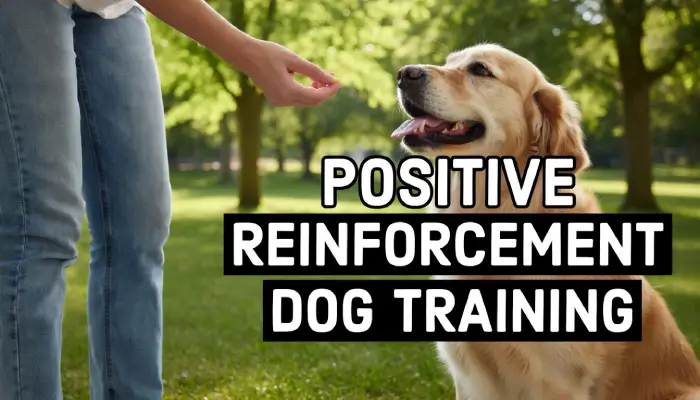
What Is Positive Reinforcement Dog Training?
Positive reinforcement dog training is a method that rewards good behavior instead of punishing bad behavior.
When your dog does something right, you immediately reward them.
This teaches them to repeat that behavior.
Rewards can include:
Over time, your dog learns exactly what you expect—without fear or confusion.
Why Positive Reinforcement Works Better Than Punishment
Many frustrated dog owners rely on yelling or punishment.
But this often leads to:
- Fear and anxiety
- Confusion
- Worsening behavior
Positive reinforcement dog training works differently.
It builds trust and makes your dog want to listen.
This is why structured programs like Brain Training for Dogs focus heavily on reward-based learning—it creates long-term habits instead of short-term obedience.
Common Mistakes That Ruin Positive Reinforcement Training
Before you start, avoid these common mistakes:
Rewarding Too Late
If you don’t reward immediately, your dog won’t connect the behavior.
Being Inconsistent
Inconsistent rewards confuse your dog.
Using Low-Value Rewards
Not all treats are equal—your dog needs something motivating.
Using high-quality rewards like Pawstruck treats can significantly improve results.
Step-by-Step: How to Use Positive Reinforcement Dog Training
1. Identify the Behavior You Want
Start simple.
Choose one behavior at a time, such as:
- Sitting
- Staying calm
- Coming when called
Clarity is key in positive reinforcement dog training.
2. Reward Immediately
Timing is everything.
The moment your dog performs the correct behavior, reward them instantly.
This creates a clear connection in their mind.
3. Use High-Value Rewards
If your dog isn’t motivated, training will feel impossible.
That’s why reward quality matters.
Treats from Pawstruck are ideal because they’re designed for training and quick reinforcement.
Better rewards = faster results.
4. Keep Training Sessions Short
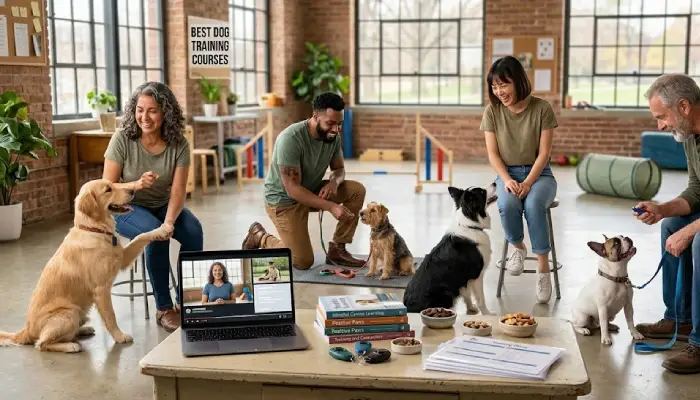
Dogs learn best in short sessions.
Aim for:
- 5–10 minutes per session
- Multiple sessions per day
This keeps your dog focused and engaged.
5. Be Consistent Every Day
Consistency is what makes positive reinforcement dog training effective.
Without it, your dog will struggle to understand expectations.
Using platforms like Chewy helps maintain consistent access to treats, toys, and training essentials.
6. Gradually Reduce Treats
Once your dog understands a behavior, you don’t need to reward every time.
Instead:
- Switch to occasional rewards
- Use praise more often
- Keep some unpredictability
This keeps your dog motivated long-term.
Best Behaviors to Train Using Positive Reinforcement
Positive reinforcement dog training works for almost everything, including:
- Basic commands (sit, stay, come)
- Leash walking
- Stopping barking
- Reducing jumping
- Crate training
It’s one of the most versatile and effective training methods available.
How to Stay Consistent Without Getting Overwhelmed
This is where many frustrated owners struggle.
Life gets busy, and consistency becomes difficult.
To stay on track:
- Train at the same time daily
- Keep sessions short
- Use structured guidance
Programs like Brain Training for Dogs help remove guesswork by giving you a clear, step-by-step system to follow.
Why Mental Stimulation Improves Training Results
A bored dog won’t listen—no matter how good your method is.
That’s why mental stimulation is critical.
Interactive toys and activities from BarkBox help:
- Reduce boredom
- Improve focus
- Make training easier
This enhances the effectiveness of positive reinforcement dog training.
How to Use Positive Reinforcement Dog Training for Stubborn Dogs
If your dog ignores commands, pulls on the leash, or seems “stubborn,” you’re not alone.
Many frustrated owners think their dog is the problem—but in reality, it’s usually the training approach.
This is where positive reinforcement dog training becomes powerful.
Instead of forcing obedience, you motivate your dog to choose the right behavior.
When working with stubborn dogs, focus on:
- Using higher-value rewards
- Keeping sessions short and engaging
- Eliminating distractions early
Consistency is key. The more predictable your rewards, the faster your dog learns.
If you need a structured system, Brain Training for Dogs is designed specifically to turn stubborn behavior into responsive habits.
How to Stop Barking Using Positive Reinforcement Dog Training
Barking is one of the most common frustrations for dog owners.
Yelling at your dog usually makes it worse.
Instead, positive reinforcement dog training teaches your dog what to do instead of barking.
Here’s how:
- Wait for a moment of silence
- Immediately reward it
- Repeat consistently
Your dog learns that being quiet brings rewards.
This method is far more effective than punishment.
How to Fix Leash Pulling With Positive Reinforcement
Leash pulling can make walks stressful and exhausting.
Using positive reinforcement dog training, you can teach your dog to walk calmly.
Steps to follow:
- Stop walking when your dog pulls
- Reward when the leash becomes loose
- Move forward only when calm
This teaches your dog that pulling gets them nowhere, while calm walking moves them forward.
For better outdoor control, tools like the Halo Collar can support consistent boundary training and reinforce calm behavior.
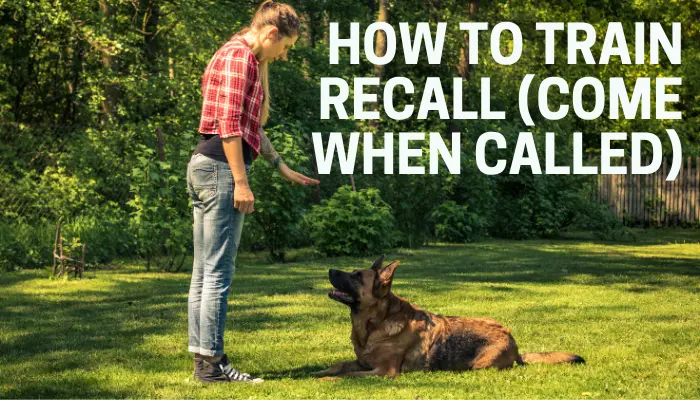
How to Train Recall (Come When Called)
Recall is one of the most important skills your dog can learn.
And positive reinforcement dog training is the best way to teach it.
Start in a low-distraction environment:
- Call your dog’s name
- Reward immediately when they come
- Use enthusiastic praise
Gradually increase distractions as your dog improves.
Always make coming to you feel rewarding.
How to Use Positive Reinforcement Dog Training for Jumping
Jumping is often caused by excitement—not bad behavior.
Positive reinforcement dog training helps redirect that energy.
Instead of punishing jumping:
- Ignore the jumping
- Reward calm behavior
- Teach an alternative like “sit”
Your dog learns that calm behavior gets attention—not jumping.
Advanced Positive Reinforcement Dog Training Techniques
1. Use Marker Training (Clicker or Verbal Marker)
A marker (like “yes” or a clicker) tells your dog exactly when they did something right.
This improves timing and speeds up learning.
2. Shape Behavior Gradually
You don’t need perfect behavior immediately.
Reward small improvements and build from there.
This is a core principle of positive reinforcement dog training.
3. Add Distractions Slowly
Start training in quiet environments, then slowly introduce distractions.
This prevents overwhelm and builds confidence.
4. Keep Training Fun
Dogs learn faster when they enjoy the process.
Mix in play, rewards, and variety.
Why Diet and Energy Levels Affect Training
If your dog lacks focus, training becomes much harder.
That’s why nutrition plays a bigger role than most owners realize.
Balanced meals from Just Food For Dogs support:
- Stable energy
- Better focus
- Improved responsiveness
When your dog feels better physically, positive reinforcement dog training becomes far more effective.
How Mental Stimulation Improves Behavior
A bored dog is more likely to misbehave.
This includes:
- Barking
- Chewing
- Ignoring commands
Providing enrichment through BarkBox helps reduce boredom and improve focus.
This makes your dog more responsive during training sessions.
Common Questions About Positive Reinforcement Dog Training
Does positive reinforcement dog training really work?
Yes. It’s one of the most proven and widely recommended methods by professional trainers.
How long does it take to see results?
Most dogs show improvement within 1–2 weeks with consistent training.
Do I always need treats?
No. Over time, you can replace treats with praise and occasional rewards.
Can older dogs learn this method?
Absolutely. Positive reinforcement dog training works for dogs of all ages.
Build a Better Relationship With Your Dog
Positive reinforcement dog training isn’t just about obedience—it’s about communication.
When your dog understands what you want, everything becomes easier.
Let’s recap:
- Reward good behavior immediately
- Stay consistent
- Keep sessions short and positive
- Focus on building trust
If you feel stuck or overwhelmed, structured systems like Brain Training for Dogs can guide you step by step.
Your dog isn’t ignoring you—they just need clear, consistent guidance.
Start using positive reinforcement dog training today, and you’ll see a calmer, more responsive dog sooner than you think.