Step 1: Build a Consistent Routine
This is the foundation of all successful training.
Puppies don’t need strict discipline—they need structure.
A consistent routine reduces confusion and anxiety.
Simple Daily Schedule
- Morning potty (immediately after waking)
- Feeding time
- Short training session
- Playtime
- Nap
- Repeat throughout the day
This alone can prevent many common issues like accidents and excessive barking.
Step 2: Start Potty Training First
If there’s one thing that causes the most frustration—it’s this.
But potty training is actually very predictable.
When to Take Your Puppy Out
- After waking up
- After eating
- After playing
- Every 1–2 hours
Reward immediately when they go in the right place.
Timing matters.
If you wait even a few seconds, your puppy won’t connect the reward to the action.
Never punish accidents.
This creates fear and slows down learning.
Step 3: Teach Name Recognition
Before commands, your puppy needs to focus on you.
That starts with their name.
How to Teach It
- Say your puppy’s name in a happy tone
- Reward when they look at you
- Repeat multiple times daily
This builds attention—the foundation of all training.
Step 4: Introduce Basic Commands (Keep It Simple)
Don’t overwhelm your puppy with too much at once.
Start small.
Best First Commands
- Sit
- Come
- No
Keep training sessions:
- Short (5–10 minutes)
- Positive
- Consistent
End every session on a success.
Make Training Easier With the Right System
Here’s where many frustrated owners get stuck.
They try random tips from videos or blogs—but nothing sticks.
That’s because random training creates inconsistent results.
You need a structured approach.
Recommended Training Program

Brain Training for Dogs is a step-by-step system designed to build focus, obedience, and long-term behavior.
It works especially well for owners dealing with:
- Not listening
- Biting and chewing
- Excessive barking
Explore the Brain Training for Dogs program
It focuses on how dogs actually learn—not quick fixes.
Common Mistakes That Ruin Early Training
If things aren’t going well, one of these is likely the cause:
- Starting training too late
- Being inconsistent with rules
- Training sessions that are too long
- Using punishment instead of rewards
- Expecting instant results
Fix these, and progress becomes much faster.
How to Stay Consistent (Even When It’s Hard)
Training a puppy can be exhausting.
There will be days when nothing seems to work.
That’s normal.
What matters is consistency.
- Stick to your routine
- Keep training sessions short
- Reward good behavior every time
Your puppy is learning—even when progress feels slow.
When to Start Training a Puppy: Fixing Behavior Problems & Accelerating Results
By now, you’ve built the foundation—routine, potty training, and basic commands.
But this is the stage where most dog owners either succeed… or start feeling frustrated again.
Because new problems show up:
- Biting gets worse
- Chewing becomes destructive
- Your puppy stops listening
- Energy levels feel out of control
This is completely normal.
The key is knowing how to handle it correctly before these behaviors become permanent.
Step 5: Stop Puppy Biting Before It Becomes a Habit
Puppies explore the world with their mouths.
So yes—biting is normal.
But ignoring it is a mistake.
If not corrected early, it turns into:
- Painful biting
- Aggressive play
- Loss of control during interactions
Why Puppies Bite
- Teething discomfort
- Excitement during play
- Seeking attention
How to Stop It Quickly
- Redirect immediately to a toy
- Stop interaction when biting happens
- Avoid using hands as play objects
Consistency is everything here.
If biting sometimes gets attention, your puppy will keep doing it.
Step 6: Control Chewing Before Your Home Pays the Price
Chewing is another natural behavior—but without guidance, it becomes destructive.
Shoes, furniture, cables… nothing is safe.
This usually isn’t “bad behavior.”
It’s a lack of direction.
How to Fix It
- Limit access to valuable items
- Provide appropriate chew alternatives
- Reward when your puppy chooses the right object
Think of it this way:
You’re not stopping chewing—you’re teaching what’s allowed.
Step 7: Crate Training (Especially at Night)
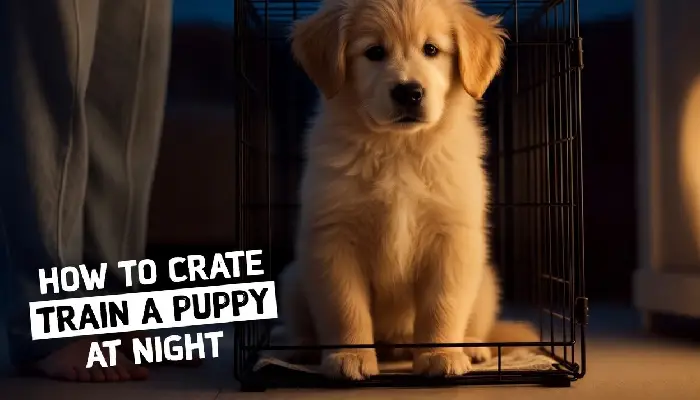
Crate training is one of the most powerful tools you can use.
Yet many owners avoid it.
That’s a mistake.
When done correctly, a crate provides:
- Security
- Structure
- Better sleep (for both of you)
How to Do It Right
- Introduce the crate slowly
- Use treats and positive association
- Never use it as punishment
- Keep it near you at night initially
Within days, most puppies begin to see the crate as a safe space.
Step 8: Fix “Not Listening” Behavior
This is where frustration peaks for most owners.
You give a command… and your puppy ignores you.
It feels like they’re being stubborn.
But here’s what’s really happening:
- The reward isn’t valuable enough
- There are too many distractions
- Commands are inconsistent
- Training isn’t structured
Dogs don’t ignore commands—they follow what works for them.
This is why having a structured system matters.
Reinforcing Behavior the Right Way
Instead of repeating commands endlessly, focus on:
- Clear signals
- Immediate rewards
- Short, focused sessions
If your puppy struggles to stay focused or loses interest quickly, it’s usually a mental stimulation issue—not disobedience.
Step 9: Mental Stimulation (The Missing Piece Most Owners Ignore)
Physical exercise alone isn’t enough.
A tired puppy isn’t always a well-behaved puppy.
A mentally stimulated puppy is.
This is one of the biggest breakthroughs for frustrated dog owners.
When your puppy’s brain is engaged:
- Biting decreases
- Chewing reduces
- Focus improves
- Training becomes easier
Simple Ways to Add Mental Stimulation
- Short training sessions throughout the day
- Puzzle toys and problem-solving games
- Rotating toys to keep things interesting
Helpful Solution for Busy Owners
If you don’t always have time to create new activities, BarkBox provides toys and stimulation designed to keep your puppy engaged.
See how BarkBox helps reduce boredom
This can significantly reduce destructive behavior at home.
Step 10: Use Rewards That Actually Motivate Your Puppy
Not all rewards are equal.
If your puppy isn’t responding, your reward might be the problem.
Low-value treats = low motivation.
What Works Best
- Soft, high-value treats
- Small, frequent rewards
- Immediate reinforcement
Recommended Option
Pawstruck offers treats designed specifically for training and consistent reinforcement.