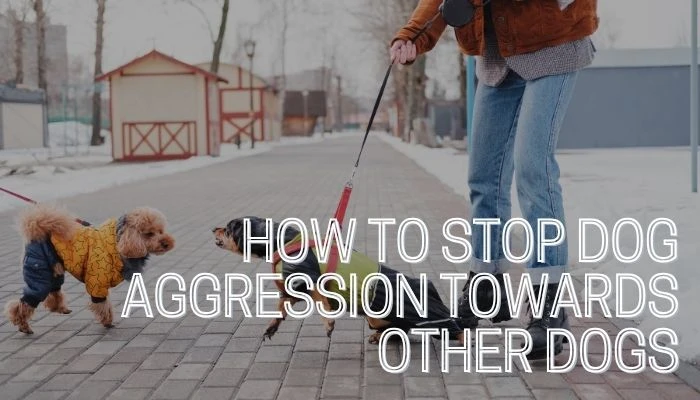
Dog aggression toward other dogs can feel exhausting, embarrassing, and emotionally draining. One moment you’re enjoying a walk, and the next your dog is lunging, barking, growling, or completely losing control. For many owners searching for how to stop dog aggression towards other dogs, this daily stress can quickly become overwhelming.
If this sounds familiar, you’re not alone.
Many frustrated dog owners struggle with leash reactivity, territorial behavior, fear-based aggression, or social tension between dogs. The good news is that aggressive behavior can improve dramatically with the right training approach, consistency, and patience. Learning how to stop dog aggression towards other dogs starts with understanding your dog’s emotional triggers and building calm behavior step by step.
This guide will show you exactly how to stop dog aggression towards other dogs using realistic, step-by-step strategies that work in everyday life.
You’ll also discover tools and training resources that can make the process easier and less stressful for both you and your dog while helping reduce dog aggression towards other dogs over time.
Why Dogs Become Aggressive Toward Other Dogs
Before you can fix aggression, you need to understand what’s causing it.
Most aggressive behavior is not about dominance. In many cases, aggression comes from fear, anxiety, frustration, lack of socialization, or overstimulation.
Common Causes of Dog Aggression
- Fear or insecurity around unfamiliar dogs
- Poor early socialization
- Leash frustration
- Territorial behavior
- Past traumatic experiences
- Protective instincts
- Pain or medical issues
- Overexcitement and poor impulse control
Understanding the root trigger helps you choose the correct training method instead of accidentally making the behavior worse.
Signs Your Dog Is Becoming Reactive
Aggression rarely appears out of nowhere. Dogs usually show warning signs before they explode into barking or lunging.
Watch for These Early Signals
- Stiff body posture
- Intense staring
- Raised hackles
- Whining or low growling
- Closed mouth and tense facial muscles
- Pulling hard on the leash
- Hyper-focus on another dog
- Ignoring your commands
The earlier you interrupt these behaviors, the easier it becomes to prevent a full reaction.
Step 1: Stop Punishing the Aggression
One of the biggest mistakes frustrated dog owners make when learning how to stop dog aggression towards other dogs is punishing aggressive reactions with yelling, leash corrections, or physical force.
While punishment may suppress the behavior temporarily, it often increases fear and anxiety underneath the surface.
Instead of teaching your dog to feel calm around other dogs, punishment teaches them that other dogs predict stress and discomfort. This can make dog aggression towards other dogs even more intense over time.
That can intensify aggression over time and slow down progress for owners trying to understand how to stop dog aggression towards other dogs safely and effectively.
🐶 What To Do Instead
- Stay calm and emotionally neutral
- Create distance from the trigger
- Redirect your dog’s focus
- Reward calm behavior immediately
- Use positive reinforcement consistently
Your goal is not to dominate your dog. Your goal is to teach them that calm behavior feels safe and rewarding while reducing dog aggression towards other dogs in a healthy, long-term way.
Step 2: Identify Your Dog’s Trigger Distance
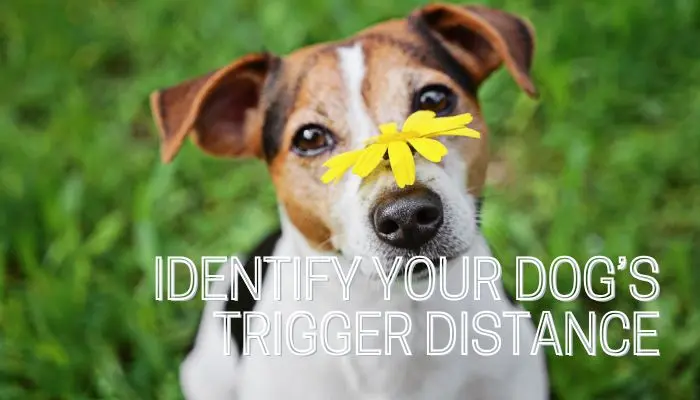
Every reactive dog has a threshold, and understanding that threshold is extremely important when learning how to stop dog aggression towards other dogs.
This is the distance where your dog notices another dog but can still remain calm enough to listen and respond to you. Managing this distance properly can significantly reduce dog aggression towards other dogs during walks and training sessions.
Once your dog crosses that threshold, learning stops and emotional reactions take over. This is why many owners struggle with how to stop dog aggression towards other dogs if they train too close to triggers too quickly.
How To Find the Threshold
- Walk your dog in a quiet area
- Observe their reaction when another dog appears
- Watch for tension or fixation
- Increase distance until your dog relaxes again
- Begin training at that safe distance
This simple adjustment can dramatically improve training success and help your dog feel calmer around other dogs over time.
Step 3: Use High-Value Rewards
When teaching your dog to stay calm around other dogs, ordinary kibble usually won’t cut it.
You need rewards powerful enough to compete with your dog’s emotional reaction.
Best High-Value Rewards
- Small pieces of chicken
- Cheese
- Freeze-dried liver treats
- Favorite tug toy
- Special training treats
The reward should only appear during training sessions around triggers.
This creates a positive emotional association with seeing other dogs.
Step 4: Teach Focus Commands
Reactive dogs often become completely fixated on other dogs. Teaching focus exercises helps interrupt that obsessive attention.
Important Commands To Practice
- “Look at me”
- “Leave it”
- “Heel”
- “Touch”
- Emergency U-turns
Practice these commands indoors first before trying them around distractions.
Consistency matters more than perfection.
Step 5: Start Controlled Exposure Training
Controlled exposure is one of the most effective ways to reduce dog aggression toward other dogs.
The goal is to expose your dog to triggers at a manageable distance while rewarding calm behavior.
How To Do Controlled Exposure
- Keep your dog below threshold
- Allow them to notice the other dog
- Reward calm observation immediately
- Move farther away if your dog becomes tense
- Repeat regularly in short sessions
Over time, your dog learns that other dogs are not threats.
This process changes emotional responses instead of simply suppressing behavior.
Step 6: Avoid Flooding Your Dog
Many owners accidentally make aggression worse by forcing interactions too quickly.
Dog parks, crowded sidewalks, and chaotic social settings can overwhelm reactive dogs.
Flooding occurs when a dog is exposed to more stress than they can emotionally handle.
Situations To Avoid During Training
- Busy dog parks
- Uncontrolled greetings
- Long retractable leashes
- Cornering your dog near other dogs
- Punishment-based group classes
Controlled progress creates confidence.
Overwhelming your dog creates setbacks.
Best Product Recommendation: Structured Training Support for Dog Aggression Towards Other Dogs
If you’re struggling to stay consistent or your dog’s aggression feels overwhelming, a structured training system can make a huge difference when learning how to stop dog aggression towards other dogs.
One highly useful option is Brain Training for Dogs. 🧠🐾
This program focuses on improving communication, impulse control, listening skills, and calm behavior using step-by-step training methods specifically designed to reduce dog aggression towards other dogs.
Many frustrated dog owners find it helpful because the lessons are broken down into manageable daily exercises instead of confusing theory. It’s especially useful for owners searching for realistic ways to handle dog aggression towards other dogs without using harsh punishment methods ❤️🐕.
Step 7: Improve Mental Stimulation
Bored dogs often develop worse reactive behavior because they have excess mental energy and poor emotional regulation.
Mental stimulation is just as important as physical exercise.
Easy Ways To Reduce Stress and Frustration
- Snuffle mats
- Puzzle toys
- Training games
- Scent work activities
- Structured obedience practice
- Short learning sessions
Dogs that regularly use their brains tend to become calmer and more focused overall.
🐕 Helpful Tool for Outdoor Control
Managing reactive behavior outdoors can feel especially stressful.
Many owners struggle with maintaining safe boundaries during walks, especially when unexpected dogs appear nearby.
The Halo Collar is designed to help improve outdoor structure and consistent behavior management.
It can support training by helping owners create safer walking routines and clearer boundaries.
Step 8: Teach Calmness at Home
Many reactive dogs live in a constant state of over-arousal.
If your dog struggles to relax at home, they’re more likely to react intensely outside.
Build Relaxation Into Daily Life
- Reward calm lying down
- Use place training
- Avoid constant excitement
- Create predictable routines
- Practice relaxation exercises
Calmness is a skill that can be trained.
Step 9: Learn Proper Dog Introductions
Many dog fights happen because introductions are rushed or forced.
Dogs should never be pushed into face-to-face greetings immediately.
Better Introduction Methods
- Walk dogs parallel at a distance first
- Avoid tight leash tension
- Allow gradual observation
- Watch body language carefully
- Keep sessions short and positive
Not every dog needs to become best friends with every dog they meet.
The goal is neutrality and calm behavior, not forced socialization.
Step 10: Stay Consistent Every Day
One of the hardest parts of fixing dog aggression is staying consistent long enough to see results.
Behavior change takes repetition.
Many owners unknowingly send mixed signals by allowing certain reactions sometimes and correcting them other times.
Consistency Tips
- Use the same commands daily
- Reward calm behavior immediately
- Avoid known trigger situations early on
- Keep training sessions short
- Celebrate small improvements
Progress is rarely perfectly linear.
Some days will feel easier than others, and that’s completely normal.
🐾 Products That Can Support Better Behavior
Daily routines and enrichment tools can play a major role in reducing stress-related behavior problems.
BarkBox provides toys and activities that help reduce boredom and improve mental engagement.
Dogs with healthy outlets for stimulation are often easier to manage during training.
Pet Care Supplies
Reliable training supplies and structured routines can make behavior work easier.
You can explore daily care essentials here: Pet Care Supplies.
Chewy offers access to treats, training gear, calming aids, and everyday dog essentials that support consistency during behavior training.
Common Mistakes That Make Dog Aggression Worse
Even loving dog owners can accidentally reinforce reactive behavior.
Avoid These Common Errors
- Allowing leash tension to build
- Yelling during reactions
- Using punishment collars improperly
- Forcing social interactions
- Skipping mental stimulation
- Expecting instant results
- Training too close to triggers
Fixing aggression is about changing emotions, not controlling behavior through fear.
When To Work With a Professional Trainer
Some cases of dog aggression are more serious and require professional help.
Seek Professional Support If:
- Your dog has bitten another dog
- The aggression escalates rapidly
- You feel physically unsafe
- Your dog redirects aggression toward people
- Training progress completely stalls
Look for force-free trainers or veterinary behaviorists who specialize in reactivity and aggression cases.
Can Aggressive Dogs Fully Recover?
Many dogs improve dramatically with proper training, structure, and emotional management.
Some dogs may never love crowded dog parks or chaotic social settings, and that’s okay.
Success does not always mean becoming perfectly social.
For many owners, success means:
- Peaceful walks
- Fewer outbursts
- Better focus
- Improved confidence
- Safer interactions
- Reduced stress at home
Those improvements can completely change daily life.
You Can Help Your Dog Become Calmer
Learning how to stop dog aggression towards other dogs takes patience, consistency, and realistic expectations.
There is no instant fix.
But with calm leadership, proper training, structured exposure, and positive reinforcement, many reactive dogs become significantly more manageable and emotionally stable.
The key is focusing on gradual progress instead of perfection.
If you want extra guidance and structured exercises, programs like Brain Training for Dogs can help simplify the process and give you a clearer training roadmap.
And if outdoor management is a challenge, tools like the Halo Collar may help create safer, more controlled routines.
Your dog is not “bad.”
They’re struggling with an emotional response they don’t yet know how to manage.
With the right approach, you can absolutely help them improve.