If you think your dog is “too old to learn,” you’re not alone.
Many frustrated dog owners believe training only works for puppies—but that’s simply not true.
Older dogs can absolutely learn new behaviors—you just need the right approach.
Whether your dog ignores commands, pulls on the leash, barks excessively, or has developed bad habits, this guide will show you exactly how to train an older dog effectively.
Can You Really Train an Older Dog?
Yes—and often faster than you expect.
Older dogs may already have habits, but they also have:
- Better focus than puppies
- More control over their energy
- Stronger ability to learn patterns
The key difference is this:
You’re not just teaching—you’re replacing existing behavior.
This is why structured systems like Brain Training for Dogs are especially effective—they focus on reshaping behavior step-by-step instead of using random techniques.
Common Problems When Training an Older Dog
If you’re struggling, you’re probably dealing with one or more of these:
- Ignoring commands
- Leash pulling
- Excessive barking
- Jumping on people
- Stubborn behavior
These aren’t signs your dog can’t learn—they’re signs your dog has learned something else.
Step-by-Step: How to Train an Older Dog
1. Reset Your Expectations First
Training an older dog requires patience.
You won’t fix everything overnight—but you can make fast progress with consistency.
Focus on small wins instead of perfection.
2. Use Positive Reinforcement (Always)
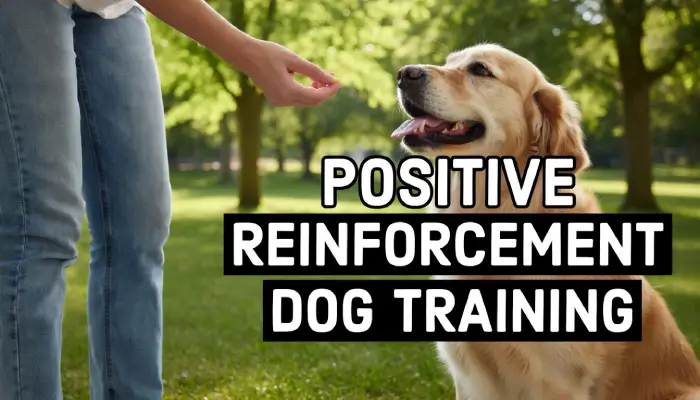
Punishment doesn’t work long-term—especially with older dogs.
Instead, reward the behavior you want to see.
High-quality treats from Pawstruck can make a huge difference in motivation.
Reward your dog when they:
- Follow a command
- Stay calm
- Make the right choice
This builds trust and speeds up learning.
3. Start With Basic Commands
If your dog doesn’t respond consistently, go back to basics.
Focus on:
Keep sessions short—around 10–15 minutes.
Consistency matters more than duration.
4. Train in a Low-Distraction Environment
Trying to train in a busy area sets your dog up to fail.
Start in:
- Your home
- A quiet yard
- Calm environments
Once your dog improves, gradually increase distractions.
5. Fix Bad Habits by Replacing Them
You can’t just stop a behavior—you have to replace it.
For example:
- Jumping → Teach “sit”
- Barking → Teach “quiet”
- Pulling → Reward loose leash walking
This is the foundation of learning how to train an older dog effectively.
6. Use Consistent Tools for Better Results
Consistency is everything.
Using smart training tools like the Halo Collar can help reinforce boundaries and improve outdoor behavior.
This is especially useful for dogs that ignore commands outside.
7. Keep Training Sessions Short and Positive
Older dogs can lose focus if sessions are too long.
Stick to:
- 10–15 minute sessions
- 2–3 times per day
Always end on a positive note.
8. Build a Daily Routine
Dogs thrive on structure.
A predictable routine reduces confusion and improves learning.
Using platforms like Chewy helps you stay consistent with food, treats, and daily essentials.
This consistency directly impacts training success.
Biggest Mistakes to Avoid
Being Inconsistent
If rules change, your dog gets confused.
Using Punishment
This damages trust and slows progress.
Expecting Instant Results
Training takes repetition.
Skipping Mental Stimulation
A bored dog won’t focus.
How Long Does It Take to Train an Older Dog?
With daily consistency, most dogs show improvement within:
Stronger habits may take longer to change—but progress happens faster than most owners expect.
Why Mental Stimulation Matters
Training isn’t just physical—it’s mental.
Dogs that are mentally stimulated learn faster and behave better.
Interactive toys and activities from BarkBox help reduce boredom and improve focus.
This makes training sessions more effective.
How to Train an Older Dog That Is Stubborn (And Actually Make Progress)
If you’re struggling with a dog that ignores you, you’re probably wondering if learning how to train an older dog is even possible.
It is—but stubborn behavior requires a smarter approach.
When people talk about how to train an older dog, what they’re really dealing with is habit replacement.
Your dog isn’t refusing to listen—they’ve simply learned that their current behavior works.
To fix this, you need to:
- Be consistent every single time
- Reward the behavior you want immediately
- Stop rewarding unwanted behavior (even accidentally)
For example, if your dog jumps and gets attention, they’ll keep jumping.
If they sit and get rewarded instead, the behavior shifts.
This is why structured systems like Brain Training for Dogs are so effective—they teach your dog how to make better decisions instead of relying on force.
How to Train an Older Dog With Anxiety or Fear
Many owners searching for how to train an older dog are dealing with anxiety-related behavior.
This can include:
- Fear of strangers
- Separation anxiety
- Noise sensitivity
- Avoidance behaviors
Training an anxious dog requires patience and control.
Start by creating a predictable routine:
- Feed at the same time daily
- Walk on a schedule
- Train in a calm environment
Routine reduces stress, and lower stress improves learning.
When practicing how to train an older dog with anxiety, always reward calm behavior—not reactive behavior.
Over time, your dog will begin to associate situations with safety instead of fear.
How to Train an Older Dog on Walks (Real-World Training)
Walks are where most behavior problems show up.
If your dog pulls, barks, or ignores you, this is your best opportunity to apply how to train an older dog in real-life situations.
Here’s a simple reset strategy:
- Stop walking when your dog pulls
- Wait for slack in the leash
- Reward calm walking
It may feel slow at first—but it works.
Consistency here is everything.
Using tools like the Halo Collar can help reinforce boundaries and improve off-leash awareness safely.
This is especially useful if your dog tends to ignore commands outdoors.
Mastering walks is one of the most important parts of learning how to train an older dog.
How to Train an Older Dog Around Guests and Visitors
Many dogs struggle with excitement or anxiety when people visit.
If your dog jumps, barks, or becomes uncontrollable, you need a structured plan.
Before guests arrive:
- Take your dog for a walk
- Burn off excess energy
- Prepare treats in advance
When guests enter:
- Ask your dog to sit
- Reward calm behavior immediately
- Ignore jumping completely
This teaches your dog that calm behavior—not excitement—gets attention.
This is a key part of understanding how to train an older dog in social situations.
Fixing Common Behavior Problems in Older Dogs
Leash Pulling
Stop moving when your dog pulls. Reward loose leash walking.
Excessive Barking
Teach a “quiet” command and reward silence immediately.
Jumping on People
Ignore jumping and reward sitting.
Ignoring Commands
Go back to basics and rebuild consistency.
Every behavior can be improved when applying the right approach to how to train an older dog.
Advanced Training Tips for Faster Results
1. Train Daily (Even Briefly)
10–15 minutes a day is enough to create real progress.
2. Be Clear and Consistent
Use the same commands and tone every time.
3. Reinforce Good Behavior Everywhere
Training doesn’t stop after sessions—it continues all day.
4. Stay Patient
Progress may feel slow—but it builds quickly over time.
These principles are essential if you truly want to master how to train an older dog.
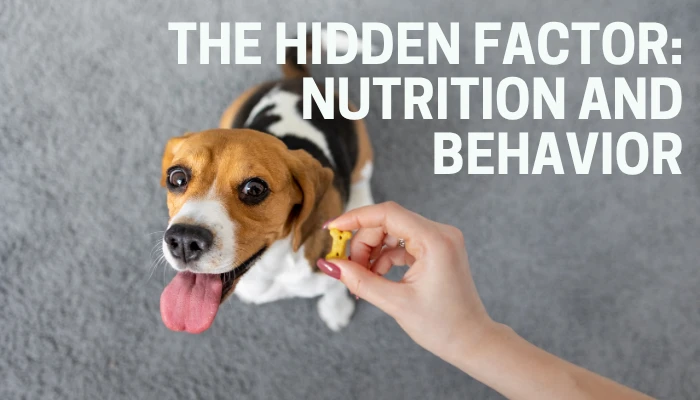
The Hidden Factor: Nutrition and Behavior
Here’s something most training guides ignore:
Your dog’s diet affects their behavior.
Poor nutrition can lead to:
- Low energy
- Poor focus
- Increased irritability
High-quality food like Just Food For Dogs supports better energy, focus, and learning ability.
When your dog feels better physically, training becomes easier.
This is a powerful but often overlooked part of how to train an older dog.
Why Mental Stimulation Speeds Up Training
A bored dog is difficult to train.
Excess energy leads to:
- Destructive behavior
- Barking
- Lack of focus
That’s why enrichment tools from BarkBox are so helpful.
They keep your dog engaged and mentally satisfied.
This makes training sessions smoother and more productive.
How to Train an Older Dog Successfully
By now, you should understand that learning how to train an older dog isn’t about age—it’s about approach.
Your dog is capable of learning. They just need consistency, clarity, and patience.
Let’s recap:
- Use positive reinforcement
- Train consistently every day
- Replace bad habits with better ones
- Support training with proper nutrition and stimulation
If you stay consistent, your dog will improve.
And if you want a proven, step-by-step system that removes guesswork, Brain Training for Dogs is one of the most effective ways to speed up results.
Your dog isn’t too old—they just need the right guidance.
Start today, stay consistent, and you’ll be surprised how quickly things change.